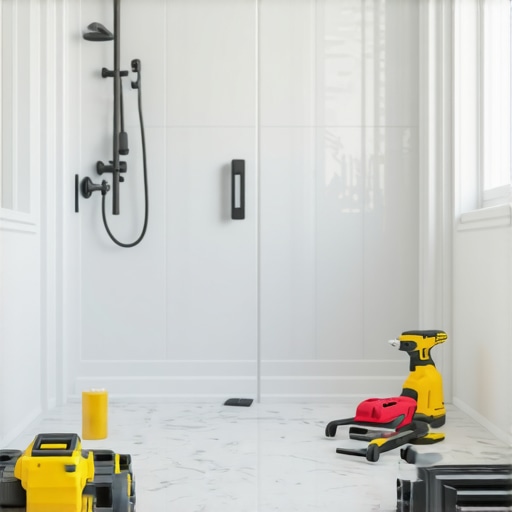
Ever had that sinking feeling when you step into your bathroom and notice the uneven tiles or a shower that wobbles beneath your feet? I’ve been there. The frustration of dealing with a poorly leveled floor or a shower that doesn’t quite fit right can turn a simple upgrade into a never-ending headache. It wasn’t until I discovered the importance of proper floor leveling and shower installation that I finally started making real progress. Today, I want to share what I learned so you can avoid the costly mistakes I made early on.
Why Proper Floor Leveling and Shower Installation Matter
When it comes to upgrading your bathroom, the details matter more than most people realize. An uneven floor not only looks shabby but can cause tiles to crack and grout to fail over time. A poorly installed shower can lead to water leaks and long-term water damage, which is both costly and stressful. The good news? With the right approach, you can create a bathroom that’s both beautiful and durable. I’ll walk you through the essential steps and share tips from my own experience to help you get it right the first time. Whether you’re tackling a full renovation or just refreshing your space, mastering these basics will set you up for success.
Is Floor Leveling and Shower Installation Really Worth the Effort?
Absolutely. I once thought I could skip the meticulous floor leveling — big mistake. Not only did my tiles crack prematurely, but I also faced ongoing water issues because of uneven slopes. Early on, I underestimated how crucial proper leveling was, and that mistake cost me time, money, and a lot of frustration. Since then, I’ve learned that investing in quality materials and following expert advice pays off. For example, professional-grade floor leveling compounds and waterproofing solutions can make a huge difference. If you want your bathroom renovation to stand the test of time, don’t underestimate the importance of these foundational steps. For more insights on how to achieve flawless results, check out this floor leveling guide.
Set a Solid Foundation with Floor Leveling
Imagine trying to build a house on shifting sand — that’s what it’s like installing tiles or a shower on an uneven floor. The first step in any lasting bathroom upgrade is to ensure the substrate is perfectly level. I remember my initial attempt; I skipped proper leveling and ended up with cracked tiles within months. To avoid this, I used a high-quality floor leveling compound, which I spread evenly with a long trowel, working slowly to eliminate all dips and humps. For best results, follow the manufacturer’s instructions carefully and use a level to double-check your work. For detailed tips, visit this floor leveling guide.
Prepare Your Surface for Success
Before pouring the leveling compound, make sure the surface is clean and free of dust or grease. I used a vacuum and a damp cloth to prep the area. Any debris can cause bonding issues, leading to future cracks or unevenness. If your floor has old adhesive residue or uneven patches, remove or sand them down. Think of this step as giving your substrate a fresh canvas — the smoother and cleaner, the better the final result.
Apply the Leveling Compound Effectively
Mix the compound as directed, aiming for a pourable but thick consistency. I poured it in small sections, working my way across the floor, spreading it with a notched trowel for an even surface. Use a long straightedge or a level to guide your work, checking frequently as the compound begins to set. Remember, patience is key; rushing can lead to air pockets or uneven patches. Once dry, lightly sand any high spots for a perfectly flat surface. This careful preparation is your best shot at a durable, crack-free floor.
Install the Shower with Precision
Start with a clear plan for your shower’s slope and waterproofing. I laid a waterproof membrane first, overlapping the edges and sealing all joints with a waterproof tape. Think of this membrane like a raincoat for your shower — it keeps water where it belongs. Next, position your drain and create a slope that directs water toward it, about 1/4 inch per foot. I used a level and a straightedge to ensure the slope was consistent across the shower floor. For added durability, I installed a quality shower pan or bed, then set the tiles carefully, starting from the drain outward.
Seal and Waterproof for Longevity
After tile installation, apply a high-quality grout and sealant to prevent water infiltration. I chose a penetrating sealer for the grout lines, which significantly extended their lifespan. Waterproofing isn’t just for the shower pan; it should extend up the walls and along all joints. This extra layer of protection helps avoid water damage, mold, and costly repairs down the line. For comprehensive waterproofing ideas, check out this shower waterproofing solutions article.
Final Touches for a Flawless Finish
Once the tiles are set and sealed, I focused on the finishing details — installing the fixtures, sealing edges, and cleaning thoroughly. Proper grouting and sealing are essential to prevent leaks and ensure your shower looks great for years. Remember, meticulous attention to detail during installation will pay off with a bathroom that’s both beautiful and durable, standing up to daily use without issues.
Many homeowners assume that a quick fix or skipping detailed steps won’t impact the longevity of their bathroom upgrade. However, this is a misconception that can lead to costly repairs down the line. Let’s dig deeper into what most people get wrong about floor leveling and shower installation, and how you can steer clear of these pitfalls.
Why Skipping Proper Surface Preparation Can Sabotage Your Project
It’s tempting to cut corners by rushing the surface prep phase. But neglecting to thoroughly clean and smooth the substrate can cause the leveling compound to fail prematurely, leading to cracks or uneven tiles. A common mistake is assuming that just sweeping the floor is enough—use a vacuum and a damp cloth to remove all dust and grease. This ensures the bonding is solid, preventing future issues. Proper surface prep is not just a step; it’s the foundation of a durable upgrade. For detailed prep techniques, visit this floor leveling guide.
Overlooking the Importance of Accurate Sloping in Shower Floors
Advanced homeowners often focus on aesthetics but forget that the slope of the shower floor is critical for water drainage. A common myth is that any slight incline will suffice. In reality, the slope must be about 1/4 inch per foot, precisely measured with a level. Incorrect slopes lead to standing water, which promotes mold and leaks. This nuance is often missed, especially when DIY-ing without professional tools or experience. Make sure to double-check your slope and waterproofing, as these are vital for long-term durability. Want to get this right? Check out this waterproofing solutions article.
How to Avoid the Trap of Underestimating Waterproofing
Many assume that tile and grout alone can prevent water damage. This is a dangerous misconception. Waterproof membranes and sealants are essential, especially in showers, to prevent leaks that can cause structural damage. A common mistake is to only waterproof the shower pan, ignoring the walls or joints. In my experience, extending waterproofing up the walls and sealing all joints reduces the risk of mold and water damage significantly. Experts recommend using a high-quality waterproof membrane and sealant, following manufacturer instructions meticulously. For comprehensive waterproofing strategies, check out this waterproofing solutions article.
Have you ever fallen into this trap? Let me know in the comments. Remember, paying attention to these advanced nuances can save you time, money, and stress in your renovation journey. Mastering these details elevates your project from average to exceptional, ensuring your bathroom stands the test of time.
Maintaining your bathroom after a renovation may not be as glamorous as the initial upgrade, but it’s crucial for ensuring longevity and optimal performance. Over the years, I’ve discovered that the right tools and routine checks can save you significant time and money, preventing small issues from becoming costly repairs. In this post, I’ll share my top recommendations for tools and methods that keep your bathroom in top shape long after the initial renovation.
Invest in a Quality Moisture Meter
One of the most common culprits of bathroom deterioration is hidden moisture that can lead to mold, rot, and damage to your subfloor or framing. I personally rely on a reliable moisture meter, like the Wagner Meters Orion 940, to regularly check wall and floor areas—especially around the shower and tub. This device provides instant readings, helping me identify potential leaks or areas where waterproofing might have failed. Regular monitoring ensures that any moisture buildup is caught early, allowing for prompt intervention before extensive damage occurs. As moisture issues often stem from waterproofing lapses, this tool is invaluable for long-term maintenance.
Use a Multi-Tool for Minor Repairs
For small fixes such as resealing grout lines, tightening fixtures, or adjusting tiles, a versatile oscillating multi-tool is my go-to. I prefer the Dremel Multi-Max because of its precise control and a variety of attachments. It makes quick work of sanding down rough edges, removing old sealant, or cutting through stubborn materials. Having a multi-tool on hand means I can address minor issues immediately, preventing them from escalating into bigger problems. This proactive approach extends the lifespan of your bathroom components and keeps everything functioning smoothly.
Seal with a High-Quality Caulking Gun
Sealing joints properly is essential for waterproofing and preventing leaks. I swear by a professional-grade caulking gun, such as the Albion 38141. It provides steady pressure and precise application of sealant, ensuring that all edges around fixtures, seams, and tiles are well sealed. Applying good quality silicone or polyurethane sealant with a reliable gun guarantees a longer-lasting seal, reducing the need for frequent reapplications. Regular inspection and resealing, especially around the shower door and base, can dramatically improve durability over time.
Maintain Your Drainage System
Clogged drains are a common headache in bathrooms. I recommend keeping a high-pressure drain cleaning tool, like the Ridgid K-400, in your toolkit. It’s effective for clearing minor blockages without calling in a plumber. Routine maintenance using such tools prevents water from pooling and reduces the risk of water damage or mold growth. A clean drainage system is vital for the longevity of your shower and floor, especially when combined with proper waterproofing and slope management.
Prepare for Future Trends
Looking ahead, I believe smart waterproofing and moisture detection systems will become more prevalent. Devices that connect to your smartphone and provide real-time alerts about moisture intrusion or leaks will revolutionize bathroom maintenance. Investing in these technologies now can give you peace of mind and help catch issues early, saving you from extensive repairs down the line.
How do I keep my bathroom working over time?
Regular inspections, routine cleaning, and proactive repairs are the best ways to ensure your bathroom remains functional and beautiful. Incorporate tools like moisture meters and multi-tools into your maintenance routine, and don’t wait until small problems become big headaches. For detailed tips on maintaining your upgraded bathroom, check out this floor leveling guide. Start today by testing moisture levels around your shower area—early detection is key to long-term success!
The Hardest Lesson I Learned About Bathroom Upgrades
One of the most valuable lessons I learned was never underestimate the importance of a perfectly leveled floor. Skipping this step seemed harmless at first, but it led to cracked tiles and ongoing water issues that haunted me for years. It taught me that patience and meticulous preparation are essential, especially when dealing with materials like tile and waterproofing in a bathroom environment.
Why Proper Sloping Can Save Your Sanity
I once thought any gentle slope would do for my shower floor. Turns out, the slope must be about 1/4 inch per foot to ensure water drains properly. Measuring this precisely with a level and straightedge saved me from standing water, mold, and costly repairs down the line. Small details like this can dramatically impact the durability of your bathroom renovation.
Waterproofing Is Non-Negotiable
Initially, I believed sealing tiles was enough. I learned the hard way that waterproof membranes and proper sealing are crucial for preventing water damage. Extending waterproofing up the walls and sealing all joints with high-quality sealant has been a game-changer. It keeps water where it belongs and preserves the integrity of my bathroom for years.
My Essential Toolkit for Bathroom Success
Over time, I curated a set of tools that made my renovation smoother. A reliable moisture meter helped me detect hidden leaks before they became big problems. An oscillating multi-tool allowed me to make minor repairs quickly. A high-quality caulking gun ensured my seals were perfect. These tools are worth investing in for anyone looking to do a lasting bathroom upgrade.
Your Turn to Make It Happen
Remember, mastering these details transforms your bathroom from a temporary fix to a long-lasting sanctuary. Pay attention to your surface preparation, slope measurement, waterproofing, and tool selection. The effort you put in now will pay off with a bathroom that stands the test of time and use. Don’t wait until small issues turn into costly repairs—start today and enjoy the process of creating a space you love.