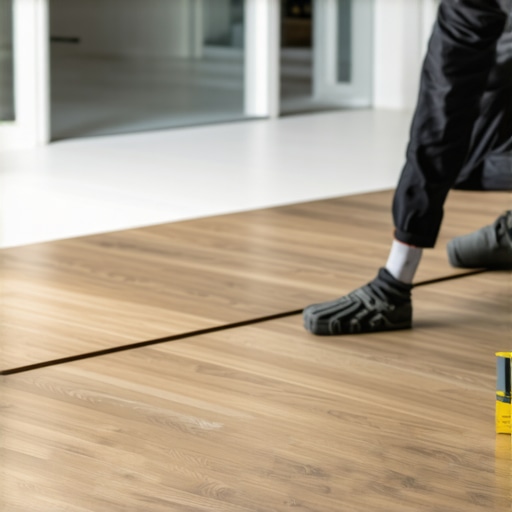
I remember the moment clearly. I was in the middle of a DIY bathroom renovation, carefully laying down laminate flooring over a slightly uneven concrete slab. Suddenly, I stepped onto the new floor and felt that unmistakable wobble. My heart sank. The flooring was uneven, and I knew I hadn’t prepared properly. That lightbulb moment — realizing that a flawless finish starts long before the last plank is laid — changed everything for me. If you’ve ever faced a similar frustration, you’re not alone. The secret to a durable, beautiful floor isn’t just picking the right materials; it’s about proper leveling and installation techniques from the get-go.
Why Proper Floor Leveling and Installation Matter More Than You Think
Imagine walking into a room where the floor feels noticeably uneven or wobbly beneath your feet. Not only is it uncomfortable, but over time, it can lead to more serious issues like cracked tiles or damaged laminate boards. This isn’t just cosmetic — it’s about safety, longevity, and saving money in the long run. Properly leveled floors create a smooth, stable surface that enhances the durability of your chosen flooring, whether that’s laminate, carpet, or even showers. I used to think that just laying down flooring over an uneven surface would suffice. Spoiler: it doesn’t. Early on, I made the mistake of skipping the crucial step of assessing and addressing floor leveling.
This oversight cost me extra time, money, and a lot of frustration. Learning from that, I dived deep into expert techniques and tips — and I want to share them with you. Whether you’re renovating your bathroom to include stylish showers with waterproofing solutions or upgrading your living space with durable laminate flooring, starting with a solid foundation makes all the difference. Want to avoid the common pitfalls and ensure your project lasts? Keep reading — I’ll walk you through everything from assessing your surface to mastering professional leveling methods.
Expert tips tell us that proper floor preparation can extend the life of your flooring by years. So, why leave it to chance? Now, let’s get into how you can tackle this essential step like a pro, and finally achieve that seamless, durable surface your home deserves.
Assessing Your Surface Accurately
Start by inspecting your subfloor thoroughly. Use a long straightedge or a level to identify uneven spots—think of it like checking the terrain before planting a garden. When I renovated my bathroom, I placed a 4-foot level across different areas and discovered high and low points I hadn’t noticed. Mark these with chalk for reference. In complex cases, consider renting a laser level to enhance precision—it’s like turning on a GPS for your flooring project.
Preparing the Subfloor for Success
Clear the area and remove any debris, then repair cracks or holes with a suitable patching compound. For uneven surfaces, apply a leveling compound. I once poured a self-leveling underlayment in a bathroom where the concrete was gravelly; it took a few attempts to get a perfectly smooth surface but paid off in the end. When choosing a leveling product, match it to your project—some are best for laminate upgrades, others for showers or carpet installations. Check this guide for detailed comparisons.
Mastering the Application of Leveling Compounds
Mix the compound according to the manufacturer’s instructions—think of it like baking a cake: precise measurements matter. Use a trowel or smoother to spread the mixture evenly over the marked areas, working from the high to the low points. For larger areas, a gauge rake can help maintain a level surface. I once had a messy experience applying a leveling compound—splatters everywhere, but the key was working quickly before it set. When working on large projects, always work in sections to prevent drying before you’re finished.
Ensuring a Flat Surface Before Installation
After the leveling compound cures, double-check the surface with your level. Run your hand over the surface to feel for any bumps or dips; fix these with additional compound if needed. Use a straightedge to verify the entire floor; tiny deviations now can cause major problems later. When laying laminate, I found that a perfectly flat surface prevents planks from clicking incorrectly or creaking over time—it’s like building a house on solid ground. For bathrooms, ensure the surface is perfectly leveled before waterproofing and shower installation—this guarantees a leak-proof, durable setup. See expert tips here.
Executing the Installation with Precision
Begin by installing the first row properly—use spacers to maintain expansion gaps. When laying laminate, lock each plank into place, ensuring they’re snug without forcing them. Think of it as fitting puzzle pieces: patience and technique matter. For carpets, stretch the material tightly to avoid wrinkles; in my own project, I used a power stretcher, which made a huge difference. For showers, meticulous waterproofing over leveled surfaces is crucial—skip this step, and water will find its way through. Learn more about shower installations.
Double-Check and Adjust
Once installed, revisit your surface’s levelness. Use a level or straightedge across the new floor—any dips or humps might need correction with underlayment or additional adjustments. I once finished a job, only to realize later that a corner was slightly uneven—a quick re-level and some fine-tuning restored that perfection. Remember, attention to detail at this stage prevents expensive fixes down the line. Precision now saves frustration later. For a comprehensive approach, consider consulting detailed guides like expert-level tips that walk through each step with visuals and methods.Many DIY enthusiasts and even seasoned homeowners often fall into common traps that compromise the durability and aesthetics of their flooring and bathroom upgrades. While most understand the basics, there’s a nuanced layer that many overlook, leading to costly mistakes. Let’s **dig deeper** into these overlooked nuances and debunk some pervasive myths.
One widespread misconception is that **Materials Alone Guarantee Success**. Many believe that simply choosing top-quality laminate or waterproof shower tiles will ensure a long-lasting installation. However, even premium products will fail prematurely if the underlying preparation, especially **floor leveling**, is neglected. Proper leveling isn’t just a step—it’s the foundation for any durable surface. According to a study by the National Wood Flooring Association, uneven subfloors account for over 60% of post-installation failures. This underscores the importance of assessing and correcting subfloor imperfections before proceeding.
**Common Myth: You Can Ignore Minor Undulations**. Some assume small dips or bumps, less than 3mm, are insignificant. But in reality, these minor irregularities can translate into visible seams, creaks, or cracks over time. Advanced installers use laser levels and straightedges to detect and rectify these issues, ensuring the surface remains perfectly flat. Neglecting this step might save time initially but results in repairs down the line. Remember, **the devil is in the details**—especially when it comes to complex projects like shower waterproofing or high-traffic flooring.
A critical mistake I’ve observed repeatedly is misapplying leveling compounds. Applying an uneven layer can create a false sense of a flat surface, but when weight is put on it, defects re-emerge. Use a **gauge rake** for even application, and always verify with a 4-foot level after curing. Overlooking this can result in uneven water runoff in showers or misaligned laminate planks that click or gap.
### How do I handle more complex situations where the subfloor has deep cracks or significant dips?
This is a legitimate concern for experienced DIYers. For substantial imperfections, layering leveling compounds might not suffice. Instead, consider techniques like **plywood patching or concrete grinding**, which provide a more stable base. Consulting detailed guide resources, such as this comprehensive guide, can help you troubleshoot advanced issues. It’s worth investing in expert advice if your subfloor is severely compromised.
Another common advanced mistake is **poor moisture management**. Excess moisture in the concrete or wood can cause laminate or carpet to swell, warp, or develop mold. Proper moisture testing with a hygrometer prior to installation, and using appropriate underlays or waterproof membranes, can prevent these issues. According to flooring experts, neglecting moisture barriers can drastically reduce the lifespan of your flooring projects.
Finally, always double-check your work after installation. Even a slight error in leveling or placement becomes glaring over time. Regular inspections, like running a straightedge across the surface, can catch problems early before they escalate.
Have you ever fallen into this trap? Let me know in the comments. Remember, mastering these nuances doesn’t just improve project durability—it saves you headaches and money. For more advanced tips and tricks, don’t hesitate to explore resources like this expert guide. Let’s keep your upgrades flawless!Maintaining your flooring and bathroom installations requires the right tools and consistent care. I rely on a few trusted accessories that make routine upkeep and inspections straightforward. For example, a high-quality laser level is indispensable for periodic checks of laminate and shower waterproofing integrity. Unlike traditional bubble levels, laser levels project precise lines across large surfaces, making it easy to spot subtle shifts over time. I personally use the DeWalt DW089LG since its durability and accuracy have proven reliable during multiple projects. Additionally, a moisture meter helps monitor humidity levels beneath your floors and in the shower area, preventing issues like warping or mold growth. For regular cleaning, I prefer microfiber mops paired with pH-neutral cleaners, which gently remove debris without damaging sealants or surface coatings. These tools ensure that your investments stay pristine and functional longer.
Predictably, as technology advances, we can expect smarter maintenance solutions—such as IoT-enabled moisture sensors that remotely alert you to rising humidity or leaks before damage occurs. Embracing these innovations now can save significant repair costs later. If you’re planning to conduct future inspections or perform minor repairs, investing in a quality altitude or straightedge allows quick assessment of any surface irregularities that might develop over time.
Thinking about ongoing maintenance? Regularly inspect seams, grout lines, and waterproof membranes to catch early signs of wear. For example, I recommend checking for cracks or loosened edges in shower waterproofing at least twice a year, especially after heavy use or extreme temperature changes, which can cause movement. Incorporating routine checks with a reliable laser level or moisture meter will give you a clear picture of your bathroom’s health over the years.
Want to simplify your upkeep? Try integrating digital tools like a dedicated inspection app that logs surface conditions and reminds you of scheduled checks. This approach ensures consistent care without missing critical signs of deterioration. Remember, proactive maintenance not only preserves aesthetics but also prolongs your surface’s lifespan. For detailed guidance on tools and maintenance routines tailored for laminate and showers, don’t forget to review our comprehensive latest ideas and tips. Now’s the time to select one of these tools and incorporate it into your routine—your floors and showers will thank you for it!
What I Wish I Knew About Flooring From the Start
One unforgettable lesson was realizing that proper floor leveling isn’t just a step—it’s the foundation of every successful renovation. I’ve learned that rushing this stage often leads to uneven surfaces, which cause long-term problems like cracking, squeaks, or water leaks. The lightbulb moment came when I understood that investing time in assessing and correcting subfloor imperfections saves stress and money later. Personal experience taught me that patience and attention to detail now guarantee a smoother, more durable finish for your laminate, showers, or carpets.
How Going Beyond the Basics Saves You Big
Early in my projects, I underestimated the importance of precise leveling. I thought that as long as the surface felt flat to my hand, it would be fine. That’s a mistake many DIYers make. Expert tips reveal that tiny dips or humps—less than 3mm—can cause major issues over time. Using tools like laser levels or long straightedges is a game-changer, revealing hidden flaws that simple eyeballing might miss. Recognizing these nuances has transformed my approach, ensuring long-lasting, trouble-free installations.
Tools That Made My Projects Easier and Better
Through trial and error, I found that quality tools make all the difference. A reliable laser level, like the DeWalt DW089LG, provides precise measurements for assessing unevenness, saving frustration. Moisture meters help monitor humidity under flooring, preventing warping or mold. Microfiber mops and pH-neutral cleaners keep surfaces pristine without damaging sealants. Investing in these tools has empowered me to maintain high standards, and I encourage you to do the same for your home upgrades.
Insights That Will Transform Your Next DIY Job
One of the most profound lessons is that even minor irregularities can compromise your project’s lifespan. I learned to double-check everything—after curing leveling compounds, before laying flooring, and periodically afterward. Small corrections now can prevent costly repairs down the line. Remember, your attention to detail and willingness to learn from experience are what turn a good project into a great one. For comprehensive guidance on these techniques, explore essential resources like expert-level tips.
http://Samuel%20Parker
Reading through this post really hit home for me, especially the part about the importance of proper floor leveling from the outset. I’ve had my fair share of DIY projects where rushing this step resulted in uneven floors and headaches later. What I found most helpful was the mention of using a laser level for better accuracy, as I’ve started incorporating one into my workflow and it’s made a noticeable difference. Personally, I’ve learned that even small dips of 2-3mm can be problematic over time, leading to creaking and misaligned planks. One thing I’d add is the value of continuous monitoring even after installation—small shifts can occur over the years with humidity changes or settling, so periodic checks are crucial. How do others handle maintenance to ensure their floors stay level in the long run? Would love to hear some practical tips or tools people swear by for ongoing care.
http://Emma%20Carter
I completely agree with the importance of thorough surface assessment before laying any flooring. I once skipped checking my subfloor carefully, thinking a quick level check was enough, but I ended up with creaky, uneven planks that took ages to fix. Using tools like a laser level or long straightedge really does make a difference, especially over larger areas. One trick I’ve found helpful over the years is to double-check the surface after applying leveling compounds—sometimes, minor bumps can still be missed and cause bigger issues down the line. Also, I’ve started to incorporate regular moisture checks in my ongoing maintenance routine. Moisture can be sneaky and cause warping or mold dark spots if not caught early. How often do others recommend inspecting for shifts or moisture problems in long-term projects? I’d love to hear your routines or any tools you rely on for maintenance, especially for high-traffic areas or humid environments.