Why Your Shower Drain Gasket is Leaking and How to Tighten It
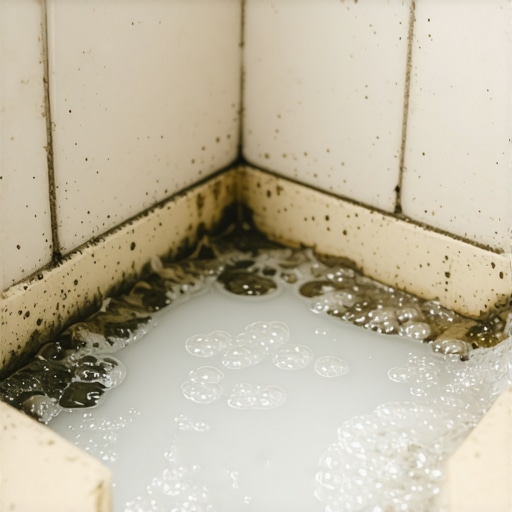
I once spent three days grinding concrete on a job last month just so the floor wouldn’t click like a castanet, only to find that the real problem was a slow drip from a shower drain two rooms away. Most guys skip the leveling compound and they definitely skip checking the plumbing adjacent to a new floor. They think the underlayment will hide the dip or the moisture. It won’t. I walked into that house and the $15,000 wide-plank walnut floor was cupping because the subfloor was a swamp. The culprit was a two-dollar rubber gasket that had lost its seat. If you are dealing with a leak, you are not just dealing with water. You are dealing with the slow, inevitable destruction of your home’s structural integrity. Flooring and plumbing are married at the subfloor, and when the plumbing fails, the flooring is the first victim. I have seen joists turned into black mush because a homeowner ignored a damp spot near the drain. You have to understand the mechanics of the seal before you grab a wrench and start cranking.
The physics of the shower drain assembly
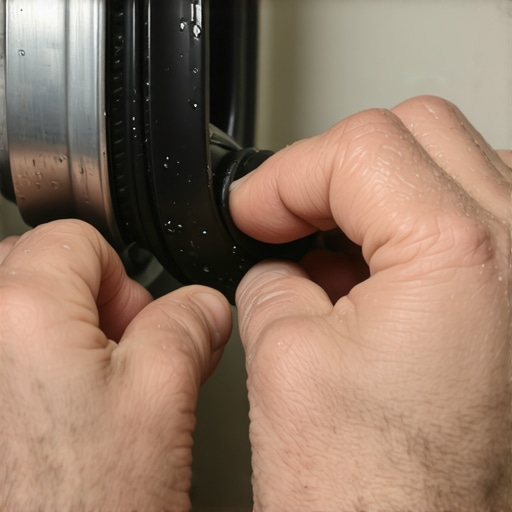
A leaking shower drain gasket is usually caused by a failure in the compression seal between the shower pan and the drain body. This occurs due to material fatigue, improper initial torque, or the degradation of the sealant. Tightening the locknut re-establishes the physical barrier against water intrusion. When you look at a drain, you see a chrome grate. What I see is a multi-layered sandwich of components designed to fight gravity. The drain body sits under the shower floor. A gasket, usually made of heavy-duty rubber or neoprene, sits between that drain body and the underside of the pan. Above the pan, you might have another gasket or a bead of plumber’s putty. When the locknut is tightened on the threads of the drain body, it pulls these components together. This creates a watertight seal through pure mechanical force. If that nut backs off even a fraction of an inch due to the vibration of people stepping in and out of the shower, the seal is broken. Water then uses capillary action to find the path of least resistance, which is usually right into your subfloor and your expensive laminate or hardwood in the hallway.
The chemistry of elastomeric gasket failure
Rubber gaskets fail because the polymers within the material undergo chemical changes when exposed to hard water, soap scum, and caustic drain cleaners. This lead to brittleness, cracking, and a loss of elasticity that prevents the gasket from maintaining a tight seal against the irregular surfaces of a shower base. Most people think rubber is permanent. It is not. The EPDM or neoprene used in these gaskets is a complex chain of molecules. Over time, those chains break down. If you use those foaming