Why Your Shower Niche Is Holding Water and Growing Mold
The hidden failure of the level plane
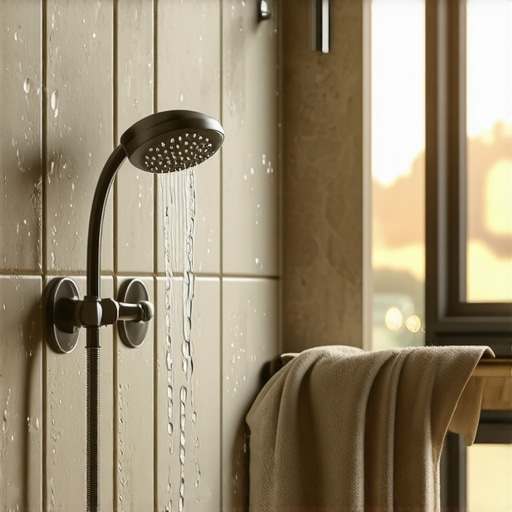
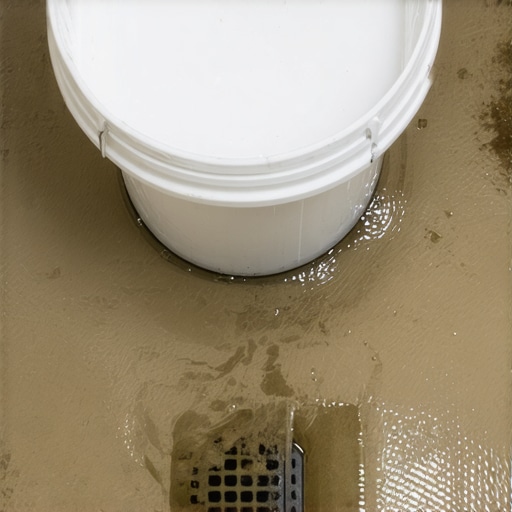
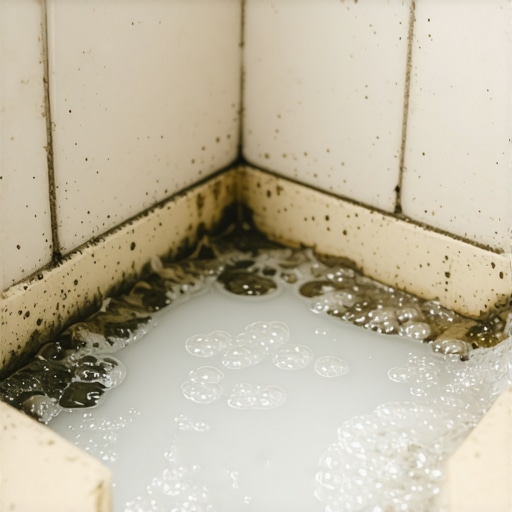
Shower niches hold water because they lack a proper pitch toward the drain or possess compromised waterproofing membranes at the corners. Stagnant moisture breeds mold when organic matter like soap scum reacts with humidity trapped on horizontal surfaces that do not allow for gravitational drainage or evaporation.
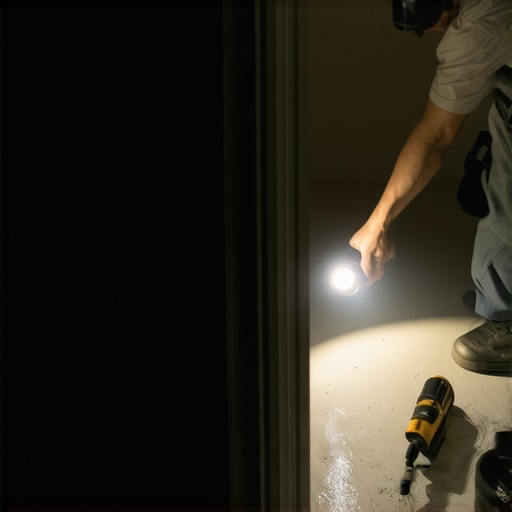
Most guys skip the leveling compound. They think the underlayment will hide the dip. It won’t. I spent three days grinding concrete on a job last month just so the floor wouldn’t click like a castanet. That same lazy attitude is what ruins a shower niche. I have spent twenty five years fixing the mistakes of installers who think a level is only for hanging pictures. In a shower, level is actually your enemy. If a shelf is perfectly level, the water just sits there. It has nowhere to go. It clings to the grout lines and begins the slow process of Osmotic pressure, pushing moisture through the micro pores of the tile and into the wall cavity. I have seen fifteen thousand dollar master baths get gutted because someone forgot that water follows the path of least resistance. If that path is flat, the water stays put. It rots the framing. It breeds black mold. It smells like a damp basement and eventually, the tile just falls off the wall because the thin set has turned back into mush. We are talking about the structural integrity of your home, not just a place to put your shampoo bottle. When I walk onto a job site, the first thing I do is check the subfloor and the niches. If I see a flat horizontal surface in a wet area, I know the installer was an amateur who didn’t understand the physics of water displacement. You need a slope. You need a pitch. Without it, you are just building a very expensive petri dish in your bathroom.
The physics of the standing pool
Standing water in a shower niche is the result of surface tension and a lack of gravitational slope which prevents the liquid from overcoming the friction of the tile surface. Water must be directed toward the drain using a minimum pitch of one quarter inch per foot.
The science of fluid dynamics does not change just because you picked out pretty subway tiles. Water molecules have a natural tendency to stick together, a property known as cohesion. In a shower niche, this cohesion allows water to form small pools that refuse to evaporate or drain if the surface is even slightly concave or perfectly flat. I have seen installers use floor leveling techniques on shower floors but then completely ignore the niche. They treat it like a bookshelf. It is not a bookshelf. It is a hydraulic environment. When you have a carpet install, you can hide a lot of sins under the pad. In a tile shower, every mistake is magnified by the presence of water. The grout is not waterproof. Let me repeat that because homeowners never believe me. Grout is a filter. It is porous. It slows water down, but it does not stop it. If water sits on that grout because the shelf is level, it will eventually migrate into the mortar bed. Once that mortar bed is saturated, you have a reservoir of moisture that never dries out. This is where the mold comes from. It is not just on the surface. It is living inside the wall. I have pulled out niches where the 2×4 studs were so soft you could poke a finger through them. This happened because the installer did not understand the chemistry of the bond or the physics of the pitch. You need to ensure the shelf is tilted at least one eighth to one quarter of an inch toward the shower floor. This ensures that every drop of water that hits that shelf immediately begins its journey toward the drain.
“A floor is only as good as the subfloor beneath it; deflection is the enemy of every joint.” – Master Flooring Axiom
The chemistry of the failed membrane
Waterproofing failures in niches often occur at the internal corners where liquid membranes are applied too thin or sheet membranes are not properly overlapped. These microscopic gaps allow water to bypass the protective layer and saturate the cement board or wooden framing behind the tile.
When I talk about waterproofing, I am talking about a total system failure. Many guys think a quick coat of RedGard or a similar liquid membrane is enough. It is not. If you do not hit the required mil thickness, you might as well be painting the wall with watercolor paint. You need a continuous, pinhole free barrier. I have seen niches where the installer missed the corners. The water gets into those corners through capillary action. It is like a straw. It sucks the water in and holds it there against the wood. If you are using a laminate or a hardwood in the next room, that moisture will eventually travel under the baseboards and ruin your expensive floors. I always tell people that the shower is the most dangerous room in the house for structural health. If you do not respect the chemistry of the adhesives and the membranes, the house will pay for it. You have to look at the vapor transmission rate. If the humidity in the shower is one hundred percent, and the air behind the wall is dry, the moisture is going to try to move through that wall. This is vapor drive. Your membrane has to be strong enough to stop that drive. Most builder grade showers fail this test within five years. I prefer a pre fabricated niche made of high density foam or stainless steel because they remove the human error of site building a box out of scraps of cement board. A site built niche has eight internal corners. That is eight opportunities for a leak.
Comparing Niche Construction Methods
| Feature | Site Built Niche | Pre Fabricated Foam | Stainless Steel Insert | ||||||||
|---|---|---|---|---|---|---|---|---|---|---|---|
| Waterproof Integrity | Low (Depends on installer) | High (Factory sealed) | Maximum (Non porous) | ||||||||
| Installation Speed | Slow (Requires framing) | Fast (Fits between studs) | Fast (Set in thin set) | Pitch Built In | No (Must be manually set) | Yes (Most brands) | Yes (Pre sloped) | Mold Resistance | Moderate | High | Maximum |
The relationship between floor leveling and niche drainage
Proper drainage in a niche is inextricably linked to the overall levelness of the wall studs and the subfloor which dictates how the tile sits. If the wall is leaning or the floor has settled, the niche will naturally tilt away from the drain unless corrected during the framing stage.
I have spent my life fighting with subfloors. Whether it is a carpet install or a high end tile job, the foundation is everything. If the subfloor is not level, the walls are not going to be plumb. If the walls are not plumb, that niche you cut into the studs is going to be crooked. I have seen guys try to fix a crooked niche with an extra thick layer of thin set. That is a recipe for disaster. Thin set is meant to be a bond, not a filler. When it is applied too thick, it shrinks as it cures. This shrinkage creates micro cracks. Those cracks are the highways that water uses to get into your wall. I always use a self leveling compound on the floor before I even think about the shower pan. It gives me a dead level starting point. From there, I can ensure my walls are square. If the wall is square, I can accurately measure the pitch of my niche shelf. It is a chain of events. One bad link and the whole thing falls apart. You cannot have a waterproof shower in a house that is shifting because the installer was too lazy to check the deflection of the floor joists. It is all connected. The mold you see in your niche today might be there because your subfloor was out of level three years ago when the house was built.
“The TCNA Handbook emphasizes that all horizontal surfaces in a wet area must be sloped toward a drain to prevent the accumulation of standing water and microbial growth.” – TCNA Installation Standard
The ten point waterproofing audit
Perform a systematic check of your shower niche to identify the exact point of moisture ingress or stagnation. This involves testing the pitch, checking the grout integrity, and inspecting the perimeter seals for signs of failure or wear.
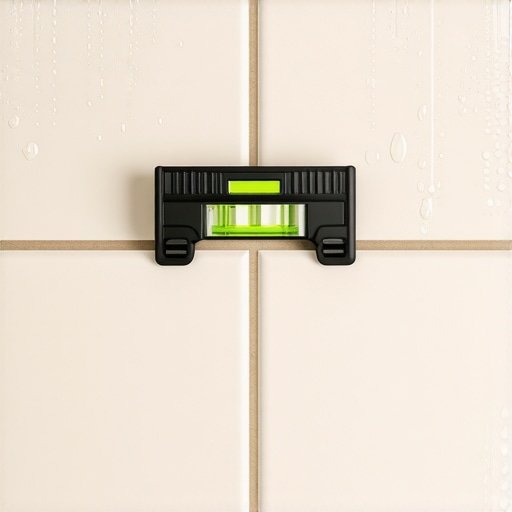
- Check the shelf pitch with a digital level to ensure at least a 2 percent grade.
- Inspect grout lines for pinholes or cracks that suggest movement.
- Look for dark staining in the grout which indicates persistent moisture retention.
- Test the surface tension by placing a few drops of water on the shelf to see if they bead and roll.
- Examine the transition between the niche and the wall tile for caulk failure.
- Verify that the niche was not installed on an exterior wall without proper insulation.
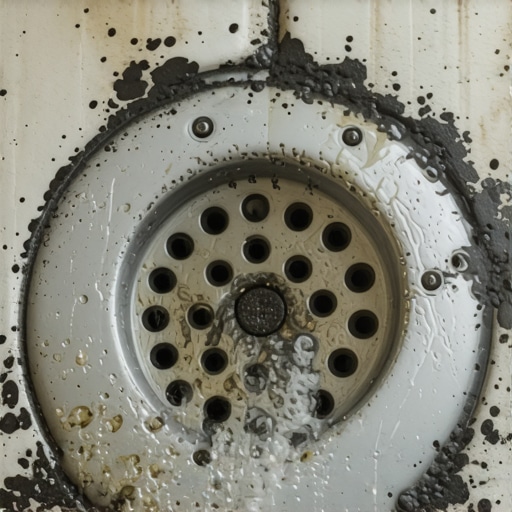
- Check the weep holes in the drain to ensure the entire system is breathing.
- Smell the area for a musty odor which confirms mold growth behind the tile.
- Press on the tile to feel for any deflection or soft spots in the backing.
- Review the manufacturer specs for the waterproofing membrane used.
The microscopic reality of mold growth
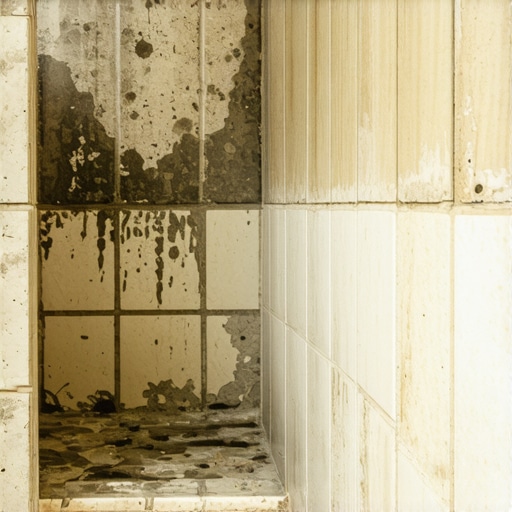
Mold in a shower niche is not just an aesthetic issue but a biological colonization that occurs when spores find a food source like soap residue and a constant moisture supply. Without airflow and drainage, these colonies expand into the substrate and can compromise indoor air quality.
People think they can just bleach the mold away. They are wrong. Bleach only kills the surface spores. The roots of the mold, the hyphae, are buried deep in the porous grout and the mortar bed. If you have standing water because your niche is level, you are feeding that colony every single time you take a shower. It is a cycle of growth. You scrub it, it looks clean, then it comes back three days later. That is because you haven’t fixed the moisture problem. You haven’t fixed the pitch. I have seen showers where the mold was so bad it had migrated through the wall and into the bedroom closet on the other side. It destroyed the carpet install in the adjacent room. The cost of fixing a improperly sloped niche is small compared to the cost of a full mold remediation. You have to understand that tile is just the skin. The real work is underneath. If the bones of the shower are wet, the skin will eventually rot. I always tell my clients that I am not just a tile guy. I am a moisture manager. My job is to make sure that water goes exactly where I want it to go and nowhere else. If that water stays in your niche, I have failed. And I do not like to fail. The bottom line is that your shower niche is holding water because someone valued the look of a flat shelf over the science of a sloped one. It is a hard truth, but it is the only one that will save your bathroom from a gut renovation. Fix the slope, fix the membrane, and the mold will have nowhere to live.