Why Your Shower Pan Is Holding Standing Water
The structural lie of the level floor
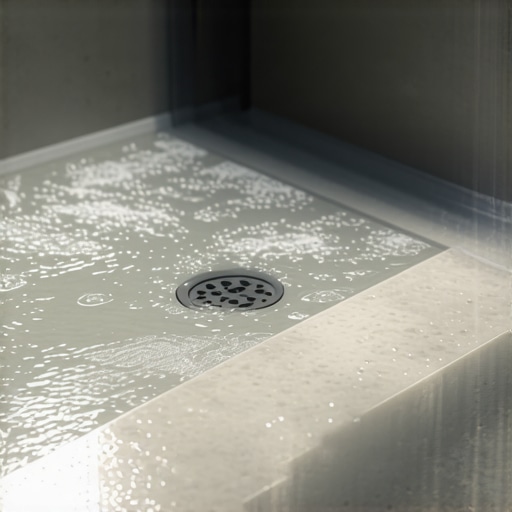
A shower pan holds water because the subfloor geometry fails to meet the minimum slope of one quarter inch per foot. When the pre slope is absent or the mortar bed settles unevenly, gravity cannot pull moisture toward the drain. This results in stagnant pools that penetrate the grout and sit on the membrane. I spent three days grinding concrete on a job last month just so the floor wouldn’t click like a castanet. That homeowner thought the flooring material was the issue, but it was the slab itself. Most guys skip the leveling compound because they think the underlayment will hide the dip. It won’t. In a shower, that dip becomes a permanent pond. I have seen fifteen thousand dollar marble installs ruined because the installer treated the subfloor like a carpet install where the padding hides the sins of the joists. It does not work that way with water. Water is the most patient demolition crew on earth. If your shower pan has standing water, the physics of the slope have failed. This is usually a result of an installer who did not understand the difference between a level floor and a pitched floor. For a standard laminate floor or a hardwood install, level is the goal. For a shower, level is the enemy.
The mathematics of the drain
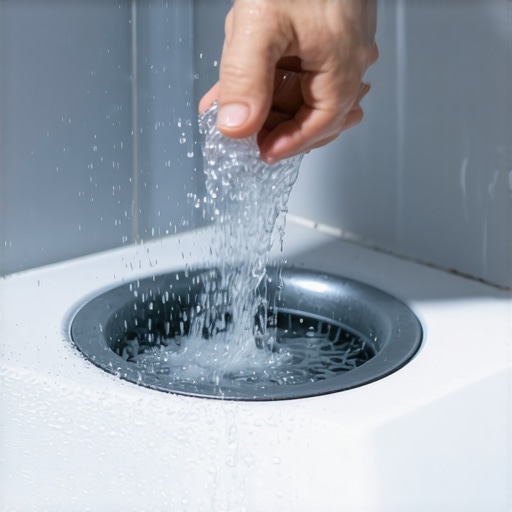
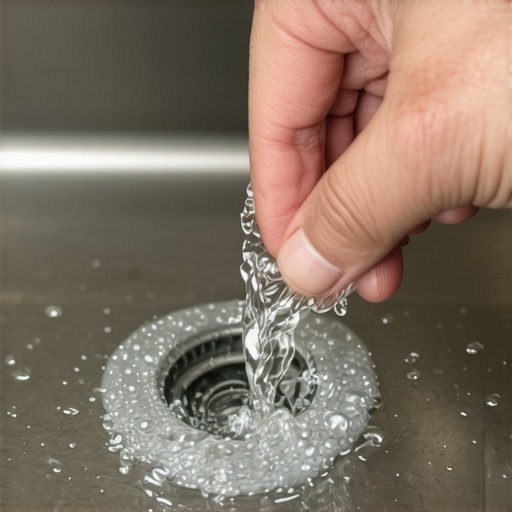
The drain assembly must sit at the absolute lowest point of the installation to prevent surface tension from trapping water against the tile. If the drain flange is set even one sixteenth of an inch too high, you will get a ring of water that never leaves. This is not just an aesthetic problem. It is a biological one. Standing water creates a biofilm. This film protects bacteria and mold from your cleaning chemicals. I have walked into bathrooms where the smell of sulfur was overwhelming because the water was sitting in a low spot behind the drain. The plumbing code is very specific about the slope required for drainage. You need a two percent grade. That sounds small until you realize it is the difference between a dry floor and a swamp. If you are used to a carpet install, you might think a small hump in the floor is fine. In a shower, that hump is a dam. [IMAGE_PLACEHOLDER]
“A floor is only as good as the subfloor beneath it; deflection is the enemy of every joint.” – Master Flooring Axiom
Capillary action and the failure of the weep holes
Weep holes are the microscopic safety valves located within the drain assembly that allow moisture trapped under the tile to escape. When an installer is sloppy with the thin set or the mortar bed, these holes get plugged. Once those holes are blocked, the water has nowhere to go. It sits in the mortar bed and becomes stagnant. This is where the chemistry of the installation becomes vital. Modified thin set is designed to hold tile, but it is not a waterproof barrier. It is porous. Water moves through it via capillary action. This is the same force that pulls water up into a paper towel. If the water cannot reach the weep holes, it stays in the pan. Eventually, it will find a way out through the grout lines or the transition to the bathroom floor. This is why you see dark spots in the grout that never seem to dry out. The pan is literally full of water underneath the tile. You could have the most expensive laminate or tile in the world, but if the weep holes are blocked, the system is broken.
| Material Type | Permeability Rating | Typical Acclimation Time |
|---|---|---|
| Solid Oak | Low | 10 to 14 Days |
| Engineered Wood | Medium | 3 to 5 Days |
| Porcelain Tile | Near Zero | None |
| Laminate Core | High | 48 Hours |
The chemistry of the bond
The chemical bond between the waterproofing membrane and the thin set determines the longevity of the shower floor. If the membrane was not installed over a properly cured pre slope, the weight of the water and the user will cause the membrane to stretch and pool. Most installers use a single pour method for the mortar bed. They put the liner on the flat subfloor and then put the mortar on top. This is a recipe for standing water. The TCNA standards require a pre slope under the liner. This ensures that even the water that gets past the tile is directed toward the drain. Without that pre slope, the water just sits on the flat liner. It becomes a petri dish. I once saw a job where the installer used a cheap liquid membrane over a plywood subfloor that had too much deflection. The plywood flexed, the membrane cracked, and the water rotted the joists in six months. You cannot treat a shower like a living room. The structural requirements are entirely different.
- Check the subfloor for deflection before any material is laid.
- Ensure the pre slope is a minimum of one quarter inch per foot.
- Verify that the drain weep holes are clear of mortar and debris.
- Use a moisture meter to check the surrounding studs before closing the walls.
- Perform a twenty four hour flood test before laying any tile.
The ghost in the expansion gap
Expansion gaps are not just for laminate or hardwood installs where the wood expands and contracts with humidity. Even tile and stone require movement joints. When a shower pan is built too tight against the wall studs without room for expansion, the pressure can cause the floor to heave. A heaved floor creates new high spots and low spots. These new low spots are where the standing water will collect. It is a slow process. You might not notice it for the first year. Then, one day, you realize the water is pooling three feet away from the drain. The house settled, the floor moved, and the slope was lost. This is why I insist on using high quality expansion strips at the perimeter. It is about managing the physics of the building. A house is a living thing. It moves, it breathes, and it shifts. If your shower pan is rigid, it will crack. If it cracks, it will leak. If it leaks, your subfloor is gone. I have seen guys try to fix this with more grout. Grout is not a structural fix. It is a cosmetic filler. Adding more grout to a low spot just creates a bigger mess when the water eventually pushes it out.
“The integrity of a tile installation is directly proportional to the rigidity of the substrate.” – TCNA Installation Manual
Why your subfloor is lying to you
The subfloor often looks flat to the naked eye but contains micro deviations that trap water at the molecular level. Surface tension is a powerful force. On a polished porcelain tile, a tiny dip can hold a significant amount of water just through the cohesive properties of the water molecules. You need to break that tension with a proper slope. This is why the finish of the tile matters. A highly textured stone tile will hold more water than a smooth tile because the water gets trapped in the pits of the stone. If you combine a textured stone with a poor slope, you will never have a dry floor. You will be fighting mold forever. I tell my clients that if they want the rustic stone look, their subfloor prep has to be perfect. There is no room for error. We use laser levels and digital inclinometers to ensure the pitch is exact. We don’t guess. Guessing is how you end up with a shower that smells like a pond. The physics of water do not care about your budget or your timeline. Gravity is constant. If the path to the drain is not clear and downhill, the water will stay exactly where it is. This is the hard truth of flooring. It is all about the prep work. The tile is just the skin. The mortar and the subfloor are the bones. If the bones are crooked, the skin will eventually fail. I have seen it a thousand times. Don’t be the thousand and first.