Why Your Shower Drain Smells Like Old Eggs
Why Your Shower Drain Smells Like Old Eggs and the Hidden Floor Damage Beneath
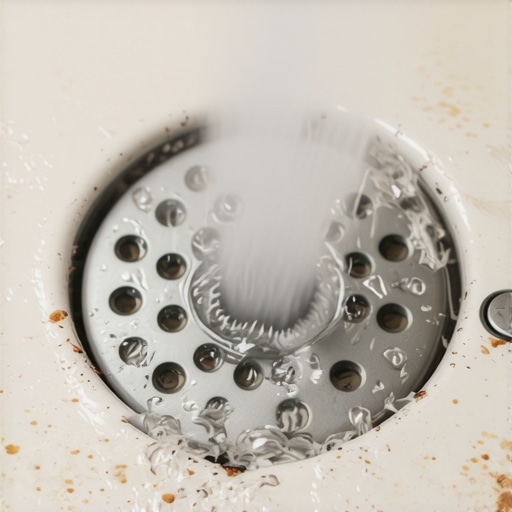
That pungent, sulfurous odor wafting from your bathroom is not just a nuisance. It is a biological alarm. When you smell old eggs, you are smelling hydrogen sulfide gas produced by anaerobic bacteria living in a biofilm. For a flooring professional, this scent is the first warning sign that moisture has breached the perimeter of your shower and is currently compromising your subfloor. I spent thirty years looking at what happens when homeowners ignore that smell. I once walked into a house where a expensive wide-plank walnut floor was cupping so bad it looked like a potato chip because the installer did not check the moisture migration from the adjacent walk-in shower. The homeowner thought the smell was just a dirty drain. It was actually the OSB subfloor turning into a fermented soup of mold and wood rot. Flooring is not a cosmetic choice. It is a structural engineering challenge where water is the primary antagonist. If your shower smells like sulfur, your flooring system is likely at risk of catastrophic failure from the bottom up.
The chemical reality of hydrogen sulfide in the subfloor
Hydrogen sulfide gas in bathrooms is created when anaerobic bacteria consume organic matter in stagnant water environments. These bacteria thrive in the absence of oxygen, often found in clogged P-traps or under flooring materials like laminate and carpet where water has seeped through the grout lines or over the shower curb. When water gets trapped under a non-breathable surface, the chemical decomposition of adhesives and wood fibers accelerates, releasing the signature rotten egg odor that indicates a failing moisture barrier. This is not just about the drain. It is about the entire ecosystem of the bathroom floor.
“A floor is only as good as the subfloor beneath it; deflection is the enemy of every joint.” – Master Flooring Axiom
Why your subfloor is lying to you
Subfloors often appear dry on the surface while holding high percentages of moisture within their core. Using a pinless moisture meter is the only way to verify the structural integrity of plywood or oriented strand board before a carpet install or laminate placement. In my experience, a subfloor that registers above 12 percent moisture content is a ticking time bomb for mold growth and adhesive failure. I have seen guys throw down leveling compound over a damp slab just to meet a deadline. Three months later, the leveling compound pulverizes because the moisture from the concrete slab could not escape, creating a layer of dust that breaks the bond of the flooring. This structural failure often starts near the shower drain where the waterproofing membrane was improperly integrated with the subfloor. The 1/8 inch gap that ruins everything is often found at the transition between the shower pan and the main floor. If that gap is not perfectly sealed, capillary action will pull water under your luxury vinyl or laminate, starting the rot process that leads to that sulfur smell.
The physics of expansion and the ghost in the expansion gap
Expansion gaps are required around the perimeter of every hard surface floor to allow for the natural movement caused by humidity. In a bathroom setting, these gaps are often the entry point for moisture that feeds the bacteria causing the old egg smell. When you install laminate or LVP, you must leave a 1/4 inch to 3/8 inch gap at the walls. However, in a bathroom, this gap must be filled with a 100 percent silicone sealant to prevent water from the shower or sink from reaching the raw edges of the flooring. Laminate is particularly vulnerable. It is essentially high-density fiberboard, which is just compressed sawdust and resin. When water touches the unsealed edge, the fibers swell through a process called hygroscopic expansion. Once the core swells, it never goes back. This creates peaks at the seams that catch your socks and eventually snap the locking mechanisms. A floor that clicks like a castanet when you walk on it is a sign that the subfloor is uneven or the boards have already begun to warp from moisture exposure.
| Material Type | Janka Hardness | Moisture Resistance | Acclimation Time |
|---|---|---|---|
| Solid White Oak | 1360 | Low | 7 to 14 Days |
| Engineered Maple | 1450 | Medium | 3 to 5 Days |
| Laminate (HDF) | N/A | Low to Medium | 48 Hours |
| Luxury Vinyl (SPC) | N/A | High | 0 to 24 Hours |
The chemical bond of modified thin-set and leveling compounds
Modified thin-set mortars use polymers to increase the shear strength and flexibility of the bond between the tile and the subfloor. When dealing with floor leveling, the chemistry of the primer is more important than the compound itself. You cannot just pour self-leveler over a dusty plywood floor and expect it to hold. The primer creates a bridge that prevents the wood from sucking the water out of the leveler too quickly. If the leveler dries too fast, it will shrink and crack, leading to hollow spots under your floor. I spent three days grinding concrete on a job last month just so the floor would not click. Most people think a thick underlayment will hide a dip in the subfloor. It will not. In fact, too much cushion actually causes the locking mechanisms on LVP to snap under pressure because the floor deflects too much when walked upon. You want a firm, flat surface, not a soft one. The TCNA standards are clear about this. For large format tile, you need the floor to be flat within 1/8 inch over a 10 foot radius.
“Deflection limits for floor systems are not suggestions; they are the boundary between a lasting installation and a cracked disaster.” – Master Flooring Axiom
Carpet install failures near the splash zone
Installing carpet in or near a bathroom is an invitation for microbial growth and long-term odor issues. The carpet padding acts like a sponge, holding onto every drop of water that spills from the shower. Because there is little airflow under the carpet, the water stays trapped, allowing anaerobic bacteria to flourish. This is where that old egg smell often originates in older homes. The tack strips, which are usually made of cheap plywood, will rot and release a distinct ammonia-like scent combined with the sulfur from the damp padding. If you are doing a carpet install in a master bedroom, you must ensure the transition at the bathroom door is high enough to prevent water from tracking onto the fibers. I always recommend a solid marble or synthetic threshold with a slight bevel to create a physical barrier between the wet and dry zones.
A checklist for a moisture-proof flooring installation
- Verify subfloor moisture levels with a calibrated meter before starting.
- Apply a high-quality primer before using any floor leveling compounds.
- Leave appropriate expansion gaps but seal them with silicone in wet areas.
- Check the shower drain P-trap for debris that could harbor biofilm.
- Ensure the shower curb is waterproofed using a topical membrane.
- Acclimate all wood-based products to the room temperature for at least 48 hours.
- Use a vapor barrier of at least 6 mil thickness over concrete slabs.
The regional reality of humidity in the Gulf Coast
The swampy humidity of the Gulf Coast means solid wood is a death wish for most bathrooms. In areas like Houston or New Orleans, the ambient humidity is so high that the subfloor is almost always under stress. You need engineered cores that can handle the expansion and contraction cycles without cupping. If your bathroom smells like eggs in these regions, it might be because the high humidity is preventing the subfloor from ever drying out. I have seen people install beautiful solid oak only to have it buckle and pop off the floor within a single summer season. You have to use products designed for the climate. This means looking at the mil-thickness of your wear layer and the density of your core material. A 20-mil wear layer is the industry standard for high-traffic, high-moisture residential areas. Anything less is just a temporary rug. If you are smelling sulfur, check the crawlspace. Often the moisture is coming from the ground, through the subfloor, and getting trapped under your flooring, creating a perfect petri dish for those egg-smelling bacteria.