Why Your Shower Glass Seal Is Growing Black Mold
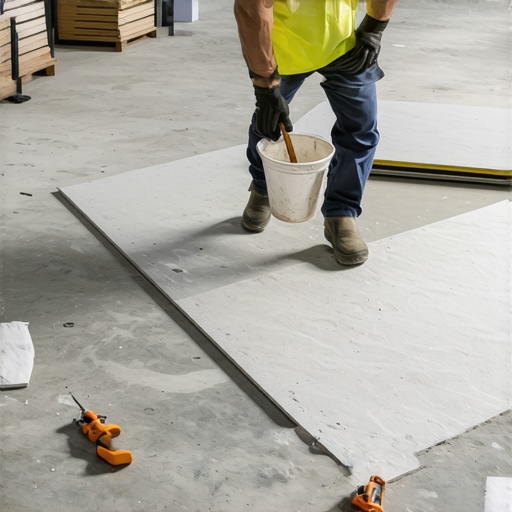
I spent three days grinding concrete on a job last month just so the floor wouldn’t click like a castanet. That experience stays with you. It reminds you that moisture is a patient predator. When I see black mold creeping along a shower glass seal, I do not just see a cleaning chore. I see a failure of the mechanical bond. I see a subfloor under threat. I once walked into a luxury master bath where the homeowner thought they just had a dirty seal. By the time I pulled up the transition strip to the hallway carpet, the plywood was the consistency of wet oatmeal. The mold you see on that plastic sweep is just the tip of a spear that is aimed directly at your joists. If you do not understand the physics of how water moves through a bathroom, you are just waiting for a structural catastrophe. This is not about aesthetics. This is about chemistry, surface tension, and the structural integrity of your home.
The hidden biology of black spores
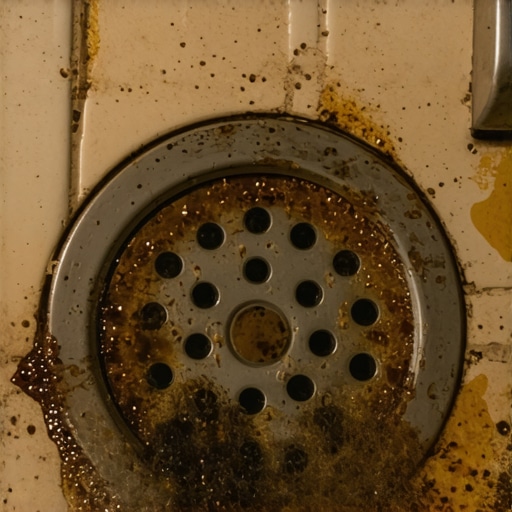
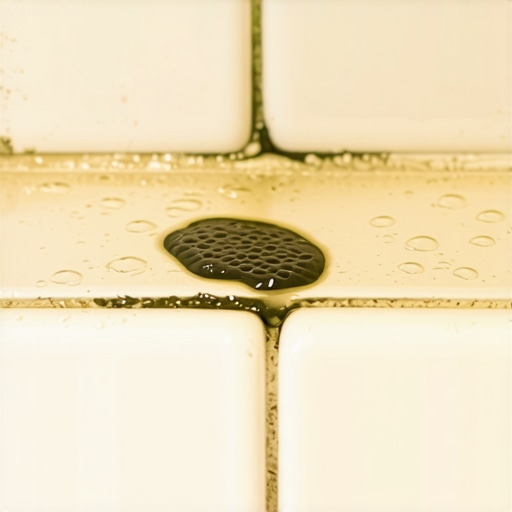
Black mold growth on shower seals is primarily caused by Stachybotrys chartarum or Aspergillus colonies feeding on organic matter like skin cells and soap scum trapped in porous silicone. These fungi thrive in high-humidity environments where the dew point is consistently reached due to poor ventilation. When water remains trapped between the glass and the seal, it creates an anaerobic pocket that accelerates cellular respiration in mold spores. You have to understand that silicone is not a solid wall. At a microscopic level, cheap builder-grade sealants have tiny pits. These pits are like luxury hotels for spores. You think you are wiping it clean, but the roots, the hyphae, are buried deep inside the polymer chain. You cannot just spray bleach on it and hope for the best. Bleach is mostly water. You are essentially feeding the mold while you try to kill it. You need a pH-neutral cleaner that actually breaks the surface tension and allows the antimicrobial agents to penetrate the seal. Most people fail to realize that the seal itself is often a food source if it contains organic fillers. High-quality, 100% silicone is less likely to support life, but even then, the soap scum you leave behind is a five-star buffet.
The failure of the mechanical bond
Mechanical seal failure occurs when the surface tension of water pulls moisture into the gap between the glass substrate and the polyvinyl chloride sweep. This process, known as capillary action, allows water to remain stagnant for weeks, even in a seemingly dry bathroom. If the seal was not installed with a hermetic compression fit, the mold will inevitably colonize the micro-voids. I have seen guys throw a seal on a door and call it a day. They do not check the plumb of the glass. If that glass is off by even an eighth of an inch, the sweep is not making full contact. This creates a vacuum effect. Every time you shower, you are pumping water into a dark, unventilated space. It stays there. It rots. It grows. The chemistry of the seal matters too. Many modern seals are made of cheap plastics that degrade under UV light or harsh cleaning chemicals. Once the plastic becomes brittle, it develops micro-fractures. These fractures are the perfect nursery for mold. You need a seal with a high Shore A hardness rating on the attachment side and a flexible, low-friction fin on the sweep side. Anything less is just a temporary fix that will lead to a floor leveling nightmare later when the water finally reaches the subfloor.
“A floor is only as good as the subfloor beneath it; deflection is the enemy of every joint.” – Master Flooring Axiom
The 1/8 inch that ruins everything
Shower floor leveling and the pre-slope of the pan are the most critical factors in preventing standing water at the glass interface. A minimum slope of 1/4 inch per foot is required by the Tile Council of North America to ensure that hydrostatic pressure does not build up against the bottom seal. If your floor is flat, the water just sits there. It does not matter how good your seal is. Water will win. I have been on jobs where the tile guy didn’t use a level. He just winged it. Now the water pools at the corner of the glass door. That water is sitting against the silicone, slowly eating through the bond. Eventually, it finds a way under the tile. If you have a laminate floor or carpet outside that shower, you are in big trouble. Laminate is basically pressed paper. One leak from a compromised shower seal and that laminate will swell like a sponge. I have seen $5,000 laminate jobs ruined because of a $20 shower sweep. You have to look at the whole system. The slope, the grout, the seal, and the ventilation. It is an engineering chain, and the seal is the weakest link.
| Sealant Material | Janka Scale Relevance | Moisture Resistance | Typical Lifespan |
|---|---|---|---|
| 100% Acetoxy Silicone | N/A | Extreme | 10-15 Years |
| Acrylic Caulk | Low | Moderate | 2-5 Years |
| Vinyl (PVC) Sweeps | N/A | High | 3-7 Years |
| Hybrid Polymers | N/A | High | 8-12 Years |
The chemistry of soapy destruction
Surfactants in soap and fatty acids in body washes act as catalysts for mold growth by breaking down the fungicidal properties of the shower seal over time. These chemicals strip the hydrophobic coating from the glass and the plasticizer from the seal, making the materials more porous and receptive to fungal colonization. It is a chemical war. Your shampoo is literally helping the mold win. When you don’t rinse the seal after a shower, those surfactants stay there. They dry into a film. This film is a magnet for dust and skin cells. This creates a biofilm. Biofilms are incredibly resilient. They protect the mold from light and air. They even protect it from some cleaners. This is why you see that pink slime before the black mold arrives. The pink stuff is Serratia marcescens. It is a bacteria that paves the way for the mold. It creates the sticky environment the mold needs to take root. If you are not scrubbing those seals with a stiff brush and a dedicated antimicrobial, you are losing the battle. The chemistry of your cleaning routine must be as rigorous as the chemistry of the installation itself.
“Subfloor integrity is compromised the moment moisture exceeds 12 percent in any wood-based substrate.” – NWFA Technical Manual
Why carpet and laminate installers hate your shower
Moisture migration from a leaking shower seal can travel up to six feet through capillary action in concrete or wicking in wood joists, often destroying carpet padding and laminate underlayment before the homeowner notices a problem. I have pulled up carpet in bedrooms that smelled like a swamp, only to find the source was a shower seal ten feet away. The water moves under the tile, through the thin-set, and into the subfloor. From there, it follows the grain of the wood. It is like a highway for rot. Laminate is the worst. Most laminate has a high-density fiberboard core. This core is incredibly thirsty. It will pull moisture out of a concrete slab if the vapor barrier is not perfect. When you add a leaking shower to the mix, the laminate will peak at the joints. It looks like a little mountain range. Once that happens, the floor is dead. You cannot sand it. You cannot fix it. You have to tear it out. This is why I tell people to spend the money on a high-end glass enclosure and a professional seal installation. You are not just buying a door. You are buying insurance for the rest of your house. The cost of a carpet install or a new laminate floor is thousands of dollars. The cost of maintaining a shower seal is almost nothing. Do the math.
The structural checklist for bathroom longevity
Preventing mold growth requires a multi-layered approach that addresses humidity control, surface hygiene, and mechanical maintenance to ensure the longevity of the bathroom floor and its underlying structures. You need to be proactive. Waiting for the mold to appear is a losing strategy. Follow this protocol:
- Squeegee the glass and the seal after every single use to eliminate standing water.
- Run a high-CFM exhaust fan for at least thirty minutes post-shower to drop the humidity below 50 percent.
- Inspect the silicone beads for any signs of lifting or peeling, which indicates a bond failure.
- Replace vinyl sweeps every three to five years regardless of their visual appearance.
- Use a 100% silicone sealant with built-in microban technology for all perimeter joints.
- Ensure the shower curb is sloped inward toward the drain to prevent water from resting on the glass track.
- Avoid using harsh acidic cleaners that can etch the glass and create more surface area for mold.
If you follow these steps, you are protecting the subfloor. You are keeping the moisture where it belongs. I have seen too many good floors die young because of a lack of maintenance. Don’t let your bathroom become a cautionary tale. Take care of the small things, like that 1/8 inch gap, and the big things, like your foundation, will take care of themselves. The mechanics of a home are all connected. A moldy seal is a sign of a system in distress. Fix the system and you fix the mold. It is as simple and as difficult as that.