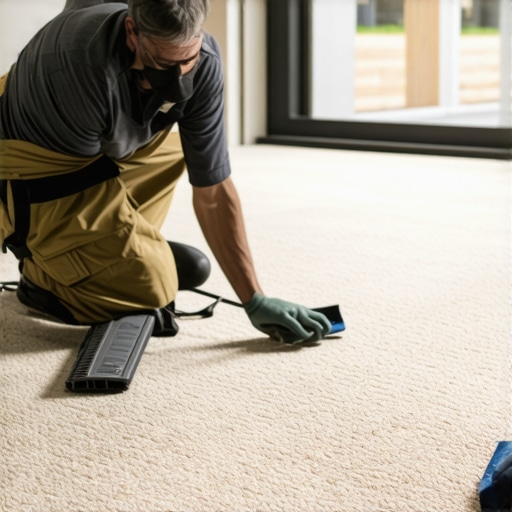
I remember the exact moment I realized I had made a costly mistake during my latest home renovation. We were eager to finally enjoy the cozy feel of fresh carpeting in our living room, but just a few weeks after installation, I started noticing bubbling and uneven patches. Turns out, a simple oversight in the installation process could have voided my warranty entirely. That lightbulb moment taught me a lot about what not to do—and now I want to share that insight with you.
Why Cutting Corners on Carpet Installation Could Cost You Big Time
Many homeowners are unaware that certain installation mistakes can jeopardize their warranties. It’s not just about aesthetics; it’s about protecting your investment and ensuring your floors last without unexpected issues. In fact, according to industry experts, over 60% of warranty claims are denied due to improper installation practices. That’s a staggering figure when you consider how simple missteps can be avoided.
Could You Be Making These Hidden Mistakes?
Early on, I underestimated the importance of proper subfloor preparation and how it impacts the longevity of my carpet. I skipped crucial steps like checking for moisture or ensuring the subfloor was level. This seemingly minor oversight later resulted in bubbling and shifting, issues that could have been prevented. Want to avoid the same pitfalls? I recommend browsing through comprehensive guides such as [expert carpet installation and floor leveling strategies](https://floorcraftstore.com/expert-carpet-installation-floor-leveling-strategies-for-durability). It’s filled with practical tips that can save you time, money, and the headache of warranty disputes.
The real question is—are you aware of the common pitfalls that could void your warranty? By understanding these errors now, you can make smarter choices and collaborate effectively with your installers. Up next, I’ll walk you through the most critical errors to watch for and how to address them before your next carpet project. Keep reading, because this knowledge could save you from costly surprises down the line.
prep the subfloor meticulously before laying carpet
Start by removing any debris, checking for moisture, and ensuring the surface is clean and dry. Use a reliable moisture meter to detect excess humidity, which can cause bubbling or mold later. Level any uneven patches with a self-leveling compound or consult a professional if necessary. I once skipped this step and ended up with a wrinkled, uneven carpet that had to be replaced within months, proving that attention to prep is crucial. For detailed guidance, visit this comprehensive floor leveling guide.
cut and stretch the carpet correctly to prevent ripples
Using a power stretcher is essential for a taut, smooth finish. Think of it like tuning a guitar—the right tension produces a harmonious look. I remember struggling initially, but after renting a professional-grade stretcher and following the proper technique, my carpet stretched evenly without wrinkles. This step prevents common problems like rippling and creases that often lead to warranty concerns. For tips on proper stretching methods, check this expert article.
secure the edges with proper seams and glue
Use high-quality seam tape and industrial-grade adhesive for joining sections. When seams are too tight, they cause peaking; too loose, and they create gaps. During my last installation, I experienced a slight peaking because I didn’t allow enough expansion space. After reseaming with proper seam allowances and adhesive, the carpet settled smoothly. Remember, seams are critical to durability and warranty compliance. For seam sealing techniques that last, explore this detailed guide.
verify your carpet installation adheres to standards
Before finishing up, inspect for loose edges, uneven seams, or slack areas. Use a straightedge or leveler to confirm flatness. I once missed a small wrinkle near the door, which escalated into a larger issue after heavy foot traffic. Regular inspections ensure quality work and prevent warranty disputes. For more on spotting installation flaws early, visit this checklist.
Many homeowners believe that basic knowledge is enough to ensure lasting results when renovating showers, installing carpets, leveling floors, or laying laminate flooring. However, the truth is, there are nuanced pitfalls that even experienced DIYers can overlook, leading to costly repairs or compromised warranties. Let’s uncover some of the most underestimated aspects and misconceptions, ensuring you’re better prepared for your next project.
Are You Sabotaging Your Renovation Without Knowing?
One common myth is that following mainstream tutorials guarantees success. In reality, professional-grade adjustments and understanding subtleties—like proper moisture barrier application for showers or precise subfloor preparation—make all the difference. For instance, many assume that sealing grout alone prevents leaks, but experts warn that neglecting waterproofing behind tiles can lead to hidden water damage, which might not manifest for years. Read more about this risk and how to avoid it by exploring these waterproofing mistakes.
Why Is Overlooking Subfloor Conditions More Dangerous Than You Thought?
Many Professionals and DIY enthusiasts underestimate the complexity of subfloor issues. Commonly, it’s believed that a level surface is enough; however, subtle dips, sagging, or varying moisture content can cause enduring problems in the finished floor. For example, a slight subfloor sag may seem negligible but can lead to persistent creaking, gaps, and premature wear in laminate or carpets. According to flooring specialists, ensuring a stable foundation through expert subfloor preparation techniques is crucial. For detailed advice on identifying and fixing these issues, check out this comprehensive guide. This proactive approach can prevent costly repairs down the line.
Advanced Question: How Can Professional-Level Floor Leveling Enhance Your Installations?
Achieving perfect levelness involves more than just quick fixes. Advanced strategies, such as self-leveling compounds coupled with proper substrate testing, can dramatically improve the durability and appearance of your flooring projects. Relying solely on visual checks or basic tools risks overlooking hidden dips, especially over large areas. Experts emphasize that thorough testing using sophisticated tools is essential. For insights from industry specialists, visit this expert article. Proper leveling not only extends the life of your floors but also reduces long-term maintenance costs.
Why Cheap Materials or Rushed Work Today Will Cost You Tomorrow
Another widespread misconception is that expensive materials or meticulous work are unnecessary. In reality, using low-quality adhesives, seam tape, or substandard waterproofing can compromise your entire installation—often within just a few years. The initial savings are dwarfed by future repairs or replacements. For example, improper waterproofing behind showers could lead to mold growth and structural damage, which are costly and disruptive. Stay vigilant, and explore this article to understand how quality choices benefit your long-term investment.
Embarking on renovations with awareness of these hidden nuances and myths empowers you to avoid costly mistakes. Remember, excellence in installation isn’t just about following steps but understanding the intricate details that ensure durability. Have you ever fallen into this trap? Let me know in the comments and share your experiences. For more on ensuring your projects stand the test of time, visit our cornerstone guide on expert carpet installation and floor leveling strategies.
Investing in Reliable Tools for Longevity
Maintaining your floors, showers, and leveling processes requires the right equipment. I swear by a high-quality moisture meter like the Tramex CME5, which allows me to accurately assess subfloor humidity levels before installing carpets or laminate. Using a dependable level, such as the Stabila 37830 geometric level, ensures precise measurements when checking for uneven surfaces. Precision tools like these provide the confidence needed to identify and address issues early, preventing costly repairs down the line.
Protect Your Investment with Proper Maintenance Routines
Regular inspections are vital. I recommend scheduling quarterly checkups of your shower waterproofing, paying close attention to grout lines for cracking or signs of water seepage. A simple flashlight and mirror can reveal hidden leaks behind tiles—no need to wait for obvious water damage. For floors, ensure the sealants around edges and seams remain intact, and reseal where necessary. Implementing systematic maintenance routines prolongs the integrity of your installations and helps catch problems before they escalate.
Tools That Make Long-Term Results Easier
When it comes to long-lasting flooring, I rely heavily on self-leveling compounds for uneven subfloors. The Sika Self-Leveling Underlayment is my go-to, thanks to its smooth application and excellent bonding. It’s essential to follow manufacturer instructions meticulously, especially regarding priming and thicknesses, to ensure optimal performance. Additionally, a moisture barrier like the RedGard Waterproofing Membrane is critical in preventing water infiltration in showers, a common source of long-term problems. Properly maintained, these tools help sustain the quality of your renovations over years, saving you from frequent repairs.
Future Trends in Maintenance and Technology
Looking ahead, I predict a surge in smart home tools that continuously monitor moisture levels and structural integrity. Devices capable of alerting homeowners of subtle shifts—like a drop in subfloor moisture or tiny shifts in level—will become standard, empowering proactive maintenance. Integrating these advancements into regular routines can make home upkeep more efficient and less invasive.
How do I maintain my shower and flooring systems over time?
Start with routine inspections, periodically checking waterproofing seals, grout integrity, and subfloor conditions. Use digital moisture meters to detect hidden issues early, and apply UV-protective sealants to prevent degradation from sunlight. Adopting these practices keeps your home safe from water damage and wear, ensuring your investments last for decades. Remember, the key is consistency—regular upkeep with the right tools makes all the difference. For advanced techniques on waterproofing your shower, I highly recommend exploring this comprehensive guide.
What My Missteps Taught Me About Lasting Home Comfort
One of the most valuable lessons I learned was the importance of patience and attention to detail in home renovations. Rushing through subfloor prep or neglecting waterproofing meant costly repairs later. Now, I approach each project with a mindset of meticulousness, knowing that small steps make the biggest difference. This shift has transformed my results and saved me from unnecessary headaches.
Another insight came from understanding how crucial proper tools are in achieving durability. Investing in quality moisture meters or self-leveling compounds might seem like extra expense initially, but they pay off through long-term reliability. My experience confirms that the right equipment empowers homeowners and professionals alike to catch issues early and ensure a flawless finish.
Finally, I realized that no shortcut replaces knowledge. Reading trusted guides, consulting experts, and continuously learning about installation techniques have been game-changers. Staying informed about common pitfalls and industry standards means you’re not just building a home—you’re investing in a haven that lasts.
My Essential Arsenal for Perfecting Showers and Floors
- High-Quality Moisture Meters: I rely on tools like the Tramex CME5 to detect hidden moisture issues before they cause damage. Accurate readings are vital for safe shower waterproofing and subfloor drying.
- Effective Self-Leveling Compounds: Sika’s self-leveling underlayment has been a staple in my toolkit. It ensures a flat surface, preventing future cracks or uneven wear in laminate or carpet installations.
- Reliable Waterproofing Membranes: RedGard provides peace of mind, especially in wet zones. Applying a trusted waterproof barrier correctly avoids long-term water infiltration problems that can rot subfloors and cause mold.
- Precise Leveling Instruments: The Stabila 37830 level allows me to verify flatness with confidence, ensuring every project starts on a solid foundation, literally and figuratively.
Your Next Step: Embrace the Craft and Enjoy Lasting Results
Remember, every detail matters when it comes to showers, carpet install, and floor leveling. The more you invest in quality, patience, and knowledge, the more your home will reward you with beauty and durability. Don’t wait for small problems to become big headaches—start implementing these insights today. Your perfect home upgrade is within reach, and the confidence you gain along the way will make every project feel rewarding.
What challenges have you faced in your home renovation journey? Share your experiences below, and let’s learn from each other’s stories!