Why Your Laminate Floor Looks Streaky After Mopping
The hidden science of why your laminate floor looks streaky after mopping
I spent three days grinding concrete on a job last month just so the floor wouldn’t click like a castanet, but the homeowner didn’t care about the levelness. She only cared that her boards looked like a smeared mess every time she cleaned. This is the reality of the trade. I have spent twenty five years with sawdust under my nails and a moisture meter in my pocket, and I can tell you that a floor is not just something you walk on. It is a structural engineering challenge that starts at the joists and ends at the light reflecting off the wear layer. When your laminate looks streaky, you are not looking at dirt. You are looking at a failed chemical reaction between your cleaning agent and a non porous melamine resin surface. Most people treat laminate like wood or tile, but it is a completely different beast that requires a different set of rules.
The physics of the ghost streak on your boards
Laminate floors look streaky because of surfactant buildup and evaporation residues that trap light on the non-porous surface. Most homeowners use too much soap or water which reacts with the melamine wear layer to create a cloudy film. This film is a microscopic layer of solids left behind once the liquid carrier evaporates. Unlike hardwood which can absorb some moisture, laminate is a sealed system. Anything you put on it stays on top until you physically remove it. When light hits these microscopic mounds of soap, it scatters rather than reflecting cleanly. This creates the hazy, streaky appearance that drives people crazy. If your subfloor has issues with floor leveling, these streaks become even more apparent as the light hits the high spots and shadows the low spots. The 1/8 inch dip you ignored during the install is now highlighting your poor mopping technique.
“A floor is only as good as the subfloor beneath it; deflection is the enemy of every joint.” – Master Flooring Axiom
The chemistry of surfactants is the primary culprit. Surfactants are molecules that reduce the surface tension of water, allowing it to spread. In a carpet install, these chemicals can be rinsed away through the fibers. In a shower, they wash down the drain. On a laminate floor, they sit and dry. If you use a product that claims to add a shine or a scent, you are essentially painting your floor with a thin layer of wax or oil. This layer is a magnet for dust. The moment you walk across it, the oils in your skin or the dust from your socks bond to that residue. This is why you see footprints immediately after cleaning. To fix this, you have to understand that laminate is essentially a high pressure decorative laminate (HPL) or a direct pressure laminate (DPL). The top layer is aluminum oxide. It is incredibly hard but also incredibly smooth. Any impurity on that smooth surface acts as a visual contaminant.
The residue trap in your mop bucket
Most people are using too much water. I see it all the time. A homeowner takes a soaking wet mop and slops it across the floor. This is a death sentence for laminate. The core of most laminate is High Density Fiberboard (HDF), which is basically compressed wood dust and resin. While the top is waterproof, the seams are not. When you use excessive water, it sits in those microscopic gaps. It doesn’t just cause swelling; it also slows down the drying time on the surface. The longer the water sits on the melamine, the more time the solids in your tap water have to settle and bond to the surface. Calcium and magnesium in hard water are notorious for leaving white, streaky veils. You should be using distilled water if you want a truly streak free finish. It sounds like overkill, but if you want that showroom shine, you have to control the minerals.
Why microfiber is failing your floor
Microfiber mops are the industry standard, but most people use them incorrectly. A microfiber pad is designed to trap dirt within its tiny loops. However, once those loops are saturated with cleaning solution and dirt, they start redepositing that grime back onto the floor. If you are cleaning more than 200 square feet with a single pad, you are just moving the dirt around. I tell my clients to buy a dozen pads and change them every room. It is the only way to ensure you are actually removing the contaminants. Furthermore, the heat of the water matters. Warm water evaporates faster, which is usually good, but if it evaporates too fast before you can buff it dry, it leaves the soap behind. It is a delicate balance of evaporation and mechanical removal.
| Cleaning Method | Residue Level | Impact on Wear Layer | Drying Time |
|---|---|---|---|
| Traditional String Mop | High | High Risk of Swelling | 5 to 10 Minutes |
| Spray Mop (Microfiber) | Medium | Low Risk | 2 to 3 Minutes |
| Dry Buffing (Microfiber) | None | Safe | Instant |
| Steam Mop | Extreme | Very High Risk of Delamination | 1 Minute |
The table above shows why the method matters as much as the chemical. I have seen steam mops destroy a five thousand dollar floor in less than a year. The steam forced into the joints softens the glue and causes the edges to peak. Once those edges peak, they catch the light even more, making every streak look like a mountain range. If you are worried about streaks, you should be worried about your subfloor first. An uneven subfloor causes the planks to flex. This flexing opens the T-joints, allowing moisture to enter and soap to accumulate in the cracks. This is why floor leveling is a step you can never skip. I have spent countless hours with a straight edge and self leveling compound because I know that a flat floor is a cleanable floor.
The interaction between light and melamine
Light is the ultimate judge of a floor. If you have large windows or a lot of LED recessed lighting, your streaks will be magnified. This is due to the refractive index of the residues. Melamine has a specific way it reflects light. When you add a surfactant, you change the angle at which light hits the surface. This is the same reason why a car looks streaky if you don’t dry it after a wash. The water spots are mineral deposits. On a floor, the streaks are often just uneven distributions of your cleaner. You must use a pH neutral cleaner. Anything too acidic or too alkaline will etch the surface over time, leading to a permanent dullness that no amount of mopping will fix. I have seen people use vinegar, thinking it is a natural miracle. In reality, vinegar is an acid that can eat away at the protective coating if used in high concentrations. Stick to what the manufacturers recommend, usually a simple mixture of isopropyl alcohol and water.
“Surface tension is the invisible barrier to a clean floor; mechanical agitation is the only solution.” – Master Flooring Axiom
The checklist for a streak free finish
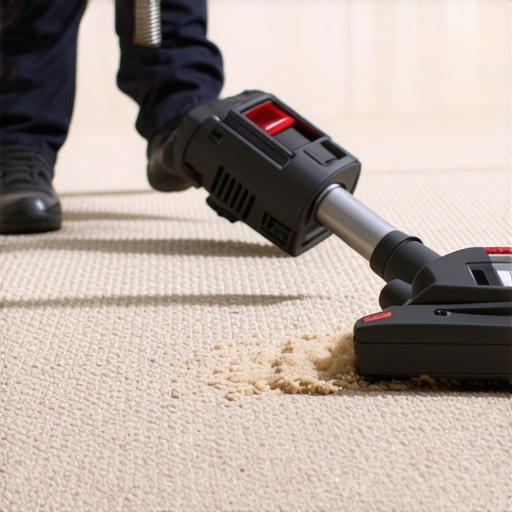
- Remove all dry debris using a vacuum with the beater bar turned off to prevent scratching.
- Use a pH neutral cleaner specifically formulated for laminate or HPL surfaces.
- Dampen the microfiber pad only slightly; it should never be dripping.
- Work in small sections, roughly four feet by four feet, to maintain control.
- Change your microfiber pad as soon as it shows any sign of grey or brown dirt.
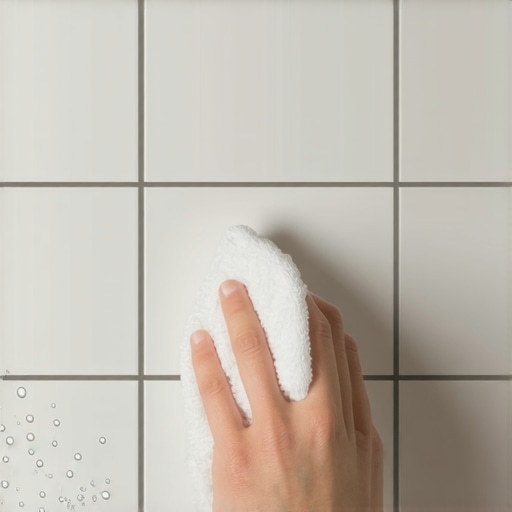
- Perform a final pass with a completely dry, clean microfiber cloth to buff away any remaining moisture.
- Check the floor from a low angle against the light to identify missed spots.
If you follow this checklist, you are doing more than just cleaning. You are performing a technical maintenance routine that preserves the structural integrity of the boards. In a carpet install, the dirt is hidden. In a shower, the water is expected. But on a laminate floor, every mistake is visible. The humidity in your home also plays a role. In high humidity environments like the coastal south, the air is thick. The moisture on the floor won’t evaporate. It sits there, collecting dust from the air. You might need to run a dehumidifier or the air conditioning to help the floor dry faster. This is the kind of detail that most installers won’t tell you because they just want to get the boards down and move to the next job.
The shadow cast by an unlevel floor
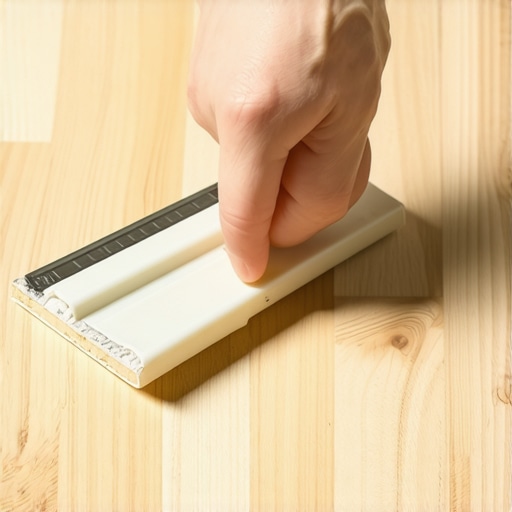
We need to talk about the 1/8 inch that ruins everything. If your subfloor is not flat, your laminate is under constant stress. This stress causes the locking mechanisms to move, which in turn creates friction. This friction can produce a fine dust that works its way up through the joints. When you mop, you mix this internal dust with your cleaning solution, creating a muddy residue that dries into a streak. This is why floor leveling is the foundation of a clean looking home. I once had a client complain about streaks in her kitchen. I took a six foot level to the floor and showed her a 1/4 inch dip right in front of the sink. Every time she mopped, the water pooled in that dip. The streaks weren’t from her mop; they were from the physics of gravity pulling the dirty water into the low spot. No amount of cleaning will fix a structural failure. You have to get the base right if you want the finish to shine.
The molecular reality of these floors is that they are designed to be low maintenance, not no maintenance. People buy laminate because they want the look of wood without the sanding and staining. But they forget that they are walking on a plasticized surface. It is like trying to clean a window with a greasy rag. You wouldn’t do that to your glass, so why do it to your floor? The chemical bond of the dirt to the residue is strong. Sometimes, you need to do a deep strip of the floor using a high concentration of isopropyl alcohol to remove years of built up wax and grocery store cleaners. Once you get back down to the original aluminum oxide, the streaks will stop appearing. It takes work, but for those of us who live and breathe flooring, it is the only way to do it right. You have to respect the material. If you treat it like a cheap substitute for wood, it will look like one. If you treat it like the high performance engineered surface it is, it will last you thirty years. Stop using the shiners and the glow products. They are a scam designed to sell more bottles while slowly ruining your home. Stick to the basics, watch your moisture levels, and keep your subfloor flat. That is the secret to a floor that looks as good as the day I installed it.