Why Your Kitchen Tile Grout Is Turning Darker Over Time
You spent thousands on a beautiful porcelain floor. It looked like a showroom for the first six months. Now, the lines between the tiles look like they were painted with dirty motor oil. It is a common frustration for homeowners, but the reason is not just laziness or bad luck. It is a matter of structural chemistry and physics. I have seen this a thousand times. I spent three days grinding concrete on a job last month just so the floor wouldn’t click like a castanet, and during that time, the homeowner asked me why their old grout looked like a coal mine. I told them the truth. Grout is not a solid, impenetrable wall. It is a microscopic sponge that is constantly thirsty for whatever you spill on it. Most guys skip the leveling compound. They think the underlayment will hide the dip. It won’t. And when the subfloor is not right, the grout starts to crack and absorb even more filth.
The microscopic anatomy of a grout joint
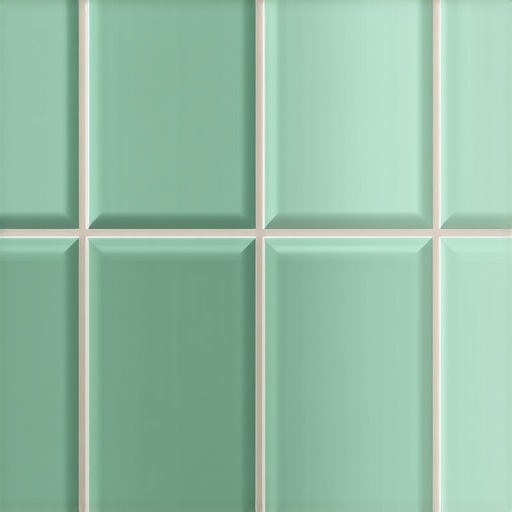
Kitchen tile grout turns darker over time because it is a highly porous cementitious material that absorbs liquid contaminants, kitchen oils, and dirty cleaning water through capillary action. When the protective sealer fails, these substances penetrate deep into the grout matrix, permanently altering the visual pigment of the floor. Standard sanded grout is primarily composed of Portland cement and graded sand. When these materials mix with water, they form a crystalline structure that is full of tiny voids. These voids are the problem. In a professional kitchen or a high traffic hallway, these voids act like a vacuum. If you spill red wine or even just drop a piece of bacon, the oils and pigments do not sit on top. They move inward. This is why a simple scrub often fails to restore the color. You are only cleaning the surface of a three dimensional stain. The National Wood Flooring Association and the Tile Council of North America emphasize that the integrity of the surface depends on the density of the installation. [image_placeholder_1]
“A floor is only as good as the subfloor beneath it; deflection is the enemy of every joint.” – Master Flooring Axiom
The mistake of the saturated mop
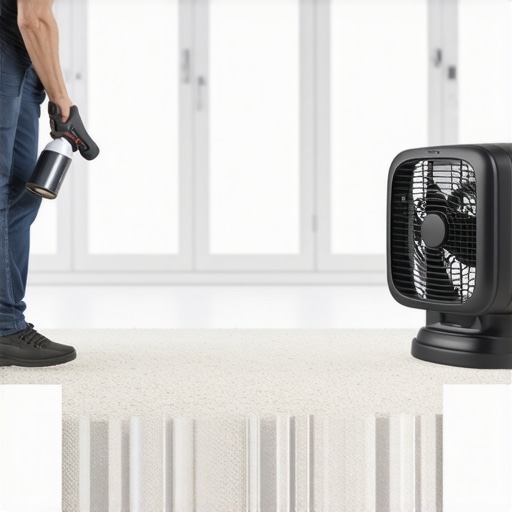
Standard mopping often causes grout discoloration because the water becomes a concentrated solution of suspended soil that settles into the lowest points of the floor. As the water evaporates, the dirt stays trapped inside the grout pores, leading to a progressive darkening that conventional cleaning cannot easily reverse. Think about the physics of a mop. You move it across the tile, and the liquid naturally flows into the grout lines because they are lower than the tile surface. This is effectively a gravity fed filtration system. You are filtering the dirt out of your water and depositing it directly into the cement. If you do not change your mop water every ten minutes, you are just painting your grout with grey soup. This is why even a well maintained floor in a place like Phoenix, where the dry heat can bake the stains into the floor, will still fail if the cleaning method is flawed. You need a dual bucket system or a vacuum based cleaner to pull the water off the floor rather than letting it soak into the joints.
The physics of subfloor moisture
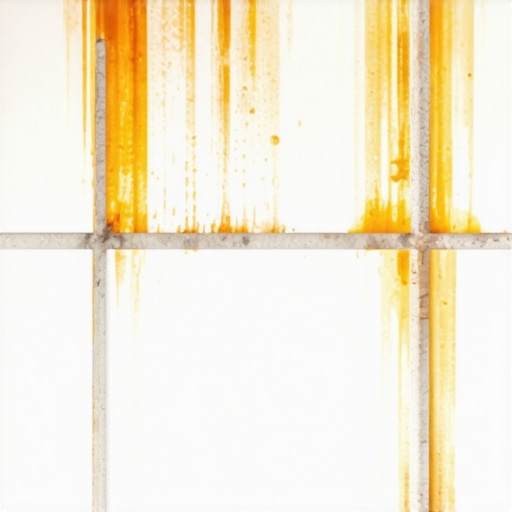
Excess moisture migrating from a concrete slab or crawlspace can cause grout to darken by introducing mineral salts and promoting subsurface mold growth. Without proper floor leveling and a high quality moisture barrier, the grout acts as a chimney for rising dampness, resulting in stubborn dark patches. When I talk about floor leveling, I am not just talking about making it flat for aesthetics. A level floor prevents the pooling of moisture. In humid regions like Houston, the vapor drive from the ground can be immense. If the installer did not use a proper moisture barrier under the thin-set, that moisture travels through the concrete and into the grout. This is called efflorescence when it brings white salts to the surface, but it can also cause a dark, damp appearance that never seems to dry out. If you are comparing this to a carpet install or a laminate floor, the tile seems more durable, but the grout is the weak link in the chain of defense.
| Grout Type | Absorption Rate | Chemical Resistance | Best Use Case |
|---|---|---|---|
| Sanded Portland | High | Low | Large joints, heavy traffic |
| Unsanded Portland | High | Low | Thin joints, polished stone |
| High-Performance Cement | Medium | Medium | Kitchens, high-traffic |
| Epoxy | Near Zero | High | Showers, commercial kitchens |
The science of sealer degradation
Grout sealers are temporary chemical barriers that break down over time due to foot traffic, ultraviolet light, and the use of harsh alkaline or acidic cleaners. Once the sealer is gone, the grout is vulnerable to every liquid it encounters, leading to rapid and uneven darkening. Many homeowners think that because their floor was sealed once, it is protected forever. That is a myth. Most penetrating sealers only last one to three years. If you use a high pH cleaner, you are literally stripping the sealer off the floor every time you wash it. Once the sealer is compromised, the grout becomes a magnet for dirt. This is especially true in showers where body oils and soap scum are constantly being washed over the joints. A failed sealer in a shower environment can lead to deep structural mold that darkens the grout from the inside out. You have to test your sealer by dropping water on the grout. If it doesn’t bead up, your floor is naked.
The truth about epoxy alternatives
Epoxy grout is the only truly waterproof and stain proof joint filler because it is made of plastic resins rather than cement and sand. While it is significantly harder to install and more expensive, it eliminates the darkening issues associated with traditional porous grout materials. If you hate dark grout, you should have used epoxy. It is a two part resin system that undergoes a chemical reaction to become a solid, non porous plastic. It is the gold standard for commercial kitchens and high end showers. However, many installers hate it. It is sticky, it has a short working time, and it requires specialized cleaning during the installation process. If the installer is lazy, they will talk you out of it. But if you want a floor that looks the same in ten years as it does today, epoxy is the only answer. It doesn’t need a sealer because its molecular structure is already closed to liquids.
“Proper cementitious grout requires a specific water-to-powder ratio to achieve its intended density and color consistency.” – Master Flooring Axiom
Preventing the shadows in your floor grid
To prevent grout from turning dark, you must utilize a low moisture cleaning protocol, maintain the integrity of the sealer, and ensure the subfloor is stable to prevent micro-cracking. Consistent maintenance and the use of pH-neutral cleaners are the only ways to preserve the original color of the installation. It is about the long game. You can’t just slap down some tile and forget it. You have to treat it like the engineering marvel it is. If you have a laminate floor, you worry about swelling. If you have carpet, you worry about stains. With tile, you worry about the chemistry of the grout. Use a soft brush. Don’t use bleach. Bleach actually kills the structural integrity of the cement over time, making it even more porous. It is a vicious cycle. The more you use harsh chemicals to clean the dark grout, the more you open the pores for more dirt to enter.
- Use a pH neutral cleaner to avoid stripping the sealer.
- Test the grout sealer every six months with a water drop test.
- Never use a mop that drips with dirty water.
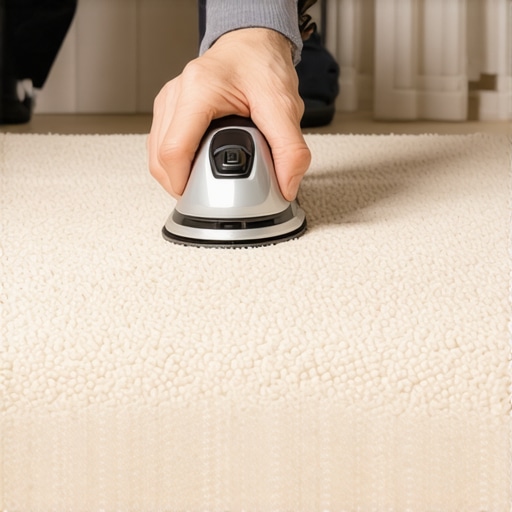
- Consider a steam cleaner for deep lifting of organic oils.
- Ensure your floor leveling is perfect before the tile is even set.
- Re-seal the grout lines every year in high traffic kitchen areas.
The reality is that your floor is a performance surface. It takes a beating. If you ignore the subfloor or the chemistry of the grout, you are going to end up with a mess. I have seen guys try to paint grout to hide the dark spots. It never works. The paint just peels off because the grout is too oily. The only way to win is to understand the physics of the material. Do not let the grout become a dumpster for your cleaning water. Keep it sealed. Keep it dry. And if you are starting from scratch, make sure that subfloor is as flat as a pool table. That is the only way to ensure the grout stays as bright as the day you picked it out from the shopkeeper racks.