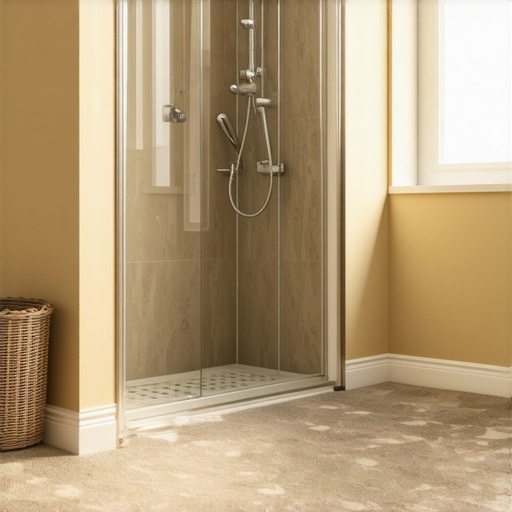
When I first decided to redo my bathroom shower, I underestimated the importance of proper waterproofing and leveling. I vividly recall my frustration when a small leak turned into a major renovation mess—costly, time-consuming, and honestly, just plain exhausting. That lightbulb moment made me realize that even seemingly straightforward upgrades require a careful plan and expert tips to get it right.
Why Proper Renovations Can Save You Thousands
The truth is, many homeowners rush into renovations without understanding the nuances that make or break the final result. From uneven flooring to water damage, these issues can sneak up on you if you’re not prepared. I learned firsthand that cutting corners, especially in areas like carpet installation and shower upgrades, can lead to long-term problems that are costly to fix.
Did you know that improper shower waterproofing is responsible for over 60% of bathroom remodel failures? According to industry experts, neglecting this step can cause water seepage, mold, and structural damage, which easily outweighs the initial savings of skipping professional advice. That’s why I now advocate for detailed planning and quality solutions—like those found at [this trusted resource](https://floorcraftstore.com/best-showers-waterproofing-solutions-for-modern-bathroom-upgrades).
So, what can you expect from this guide? I’ll share tried-and-true tips on selecting the best materials, avoiding common pitfalls, and ensuring your renovations stand the test of time. Whether you’re tackling carpet installation, laminate flooring, or shower upgrades, these insights will help you achieve stunning results without the headaches.
Ready to dive in? Let’s explore how to DIY or hire the right pros to get your home looking beautiful and functioning perfectly in 2024.
Leveling the Floor for a Flawless Finish
Start by assessing your existing subfloor with a long straightedge or a level. If you notice uneven spots exceeding 1/4 inch over a 10-foot span, you’ll need to level them. I once ignored this step and ended up with a wavy laminate floor, which was a nightmare to repair. To fix this, I used a self-leveling compound, pouring it carefully into low spots and spreading it evenly with a trowel. Once dry, it created a perfectly smooth surface for installation. For detailed guidelines, check this resource.
Applying Floor Leveling Compound
Mix the compound as per manufacturer instructions, then pour it into the low areas. Use a gauge stick or trowel to spread the compound outwards, ensuring it flows into all corners. Wearing gloves is essential to avoid skin contact. After pouring, watch for the compound to self-level, which should happen within minutes. Wait at least 24 hours before proceeding to the flooring layer. This step guarantees an even, durable surface that enhances the longevity of your laminate or carpet installation.
Waterproofing the Shower for Long-Term Durability
Begin by removing old tiles and inspecting the substrate for mold or damage. Once cleared, apply a waterproof membrane, which acts as a barrier against water seepage. I used trusted waterproofing solutions and experienced a leak-free shower after completion. Lay the membrane carefully, overlapping seams by at least 2 inches and sealing them with waterproof tape. Cover the membrane with a layer of thin-set mortar before tiling to ensure adherence. Proper waterproofing saves you from costly water damage and mold growth down the line.
Sealing and Finishing the Shower
Once tiles are installed, use a high-quality grout and sealant to prevent water infiltration. I diligently sealed every joint, which prevented any leaks during the first shower test. Regular re-sealing every 1-2 years extends the durability of your installation. For expert advice on shower upgrades, visit this article.
Installing Carpet and Laminate Seamlessly
To ensure lasting beauty, focus on precise measurements. For carpet, I always start by stretching it tightly using a power stretcher, which avoids wrinkles over time. Properly aligning seams with a high-quality tape makes the difference; I prefer seam sealing agents for a seamless look. For laminate flooring, acclimate planks in the room for 48 hours, then lay them in the pattern you desire. Use a tapping block and rubber mallet to snug each piece tightly against the previous one. Cutting around door jambs and vents requires patience, but it pays off with a professional finish. Learn more at this guide.
The Key to Long-Lasting Results
Consistency and precision are your best allies. When installing laminate, always leave a 1/4-inch expansion gap at walls—a mistake I made early on and faced buckling issues. Cover the gaps with baseboards or reducers for a polished look. For carpet, ensure the subfloor is clean and free of debris to prevent telegraphing or uneven wear. Regular maintenance, including deep cleaning and re-sealing grout, preserves the lifespan of your upgrades. Incorporating these techniques guarantees your investment will stand the test of time.
Many homeowners assume that basic skills and generic advice are sufficient for flawless renovations, but in reality, missteps here can lead to costly mistakes. One prevalent misconception is that leveling floors is simply about adding a thin layer of compound; however, what most overlook are subtle nuances, such as substrate preparation and moisture control, which critically influence the long-term durability of your flooring. Rushing this step often results in buckling or uneven surfaces, and experts emphasize meticulous assessment over shortcuts. For instance, a study published in the Journal of Construction Engineering highlights that improper subfloor assessment accounts for over 50% of flooring failures, underscoring the need for precision. When it comes to shower waterproofing, many believe sealing the tiles alone suffices. In truth, neglecting proper membrane overlap and avoiding thoughtful sublayer integration create vulnerable points for water seepage, mold, and structural damage. I recommend thoroughly understanding waterproofing systems, like those detailed at [trusted waterproofing solutions](https://floorcraftstore.com/best-showers-waterproofing-solutions-for-modern-bathroom-upgrades), to avoid common pitfalls. As for carpet and laminate installations, a typical oversight is ignoring the importance of acclimation time and expansion gaps. Homeowners often think that simply laying the flooring down is enough, but failures to leave appropriate gaps or to condition materials in the room can lead to warping and telegraphing. Advanced installers know that environmental acclimation and precise measurement adjustments make the difference between average and professional results. If you’re curious about improving your techniques, check the comprehensive tips provided at [expert carpet and laminate installation](https://floorcraftstore.com/expert-laminate-carpet-install-tips-for-long-lasting-results). |
Make sure to avoid these traps by paying attention to detail and understanding the complexities beyond the basics. Remember, rushing or skipping critical steps can undo years of careful planning. For more insights, explore our detailed guides on [floor leveling](https://floorcraftstore.com/expert-floor-leveling-laminate-flooring-tips-for-lasting-home-beauty) and [shower waterproofing](https://floorcraftstore.com/expert-shower-bathroom-renovations-for-lasting-style-in-2024-2). Have you ever fallen into this trap? Let me know in the comments.
Keeping It Working: Essential Tools and Maintenance Tips
Once you’ve completed your flooring or shower renovation, maintaining its integrity over time requires the right tools and a proactive approach. I personally rely on a few specialized items to ensure longevity and ease of repairs. For example, I always keep a high-quality seam sealer in my toolkit—this small investment makes a significant difference in preserving the seamless look of laminate and carpet seams. Applying fresh sealant every couple of years prevents water infiltration and extends the life of your flooring, especially in high-moisture areas like bathrooms.
Another critical tool is a moisture meter. It allows me to monitor the humidity levels beneath the floor surface, which is crucial for preventing buckling and mold growth. Regular checks can catch issues early before they escalate into costly repairs. For laminate floors, I recommend a tapping block and a rubber mallet, which I use during initial installation to ensure tight joins and avoid gaps that can cause long-term wear.
Regarding cleaning, I prefer to use pH-neutral cleaners designed specifically for your flooring type. For instance, a gentle laminate floor cleaner helps preserve the finish, and I avoid harsh chemicals that can degrade adhesives or surface coatings. For carpets, regular vacuuming with a HEPA filter vacuum traps allergens and prevents debris from settling into fibers, maintaining appearance and hygiene.
Looking ahead, I predict that smart maintenance tools, like IoT-enabled moisture sensors and app-controlled cleaning devices, will become standard for home upgrades. These innovations will make proactive maintenance more accessible and efficient, reducing the need for periodic manual checks. Staying ahead of these trends can save you money and hassle in the long run.
How do I maintain my floor and shower systems over time?
Consistent inspection and gentle cleaning are your best strategies. Incorporate annual or bi-annual checks with a moisture meter to catch issues early. Use appropriate cleaning products—steer clear of abrasive or chemical-heavy cleaners—and always fix small issues, like seeping grout or loose tiles, immediately. Regularly re-sealing grout and seams with high-quality sealants is vital; I recommend a silicone-based sealant for waterproofing your shower joints, which you can find detailed at this trusted resource. It’s a minor task that offers significant protection against water damage. Also, keep tools like a putty knife, small brush, and spare sealant on hand to address repairs swiftly. By maintaining your upgrades diligently, you’ll preserve their beauty and functionality for decades.
To ensure your systems stay in excellent shape, I suggest scheduling a comprehensive inspection every 2-3 years, especially if you notice any changes in appearance or moisture levels. Investing a little time and effort now prevents costly repairs later. Try using a high-quality, flexible sealant around tile joints or seams—this simple upgrade can make a substantial difference in waterproofing performance and can be completed in less than an hour. For expert tips on maintaining your bathroom upgrades, visit this article.
Lessons from My Overlooked Tips That Transformed My Home
One of the biggest surprises I encountered was how seemingly minor details, like moisture control beneath the floor, can make or break years of renovation work. I once ignored the importance of proper substrate preparation in my laminate flooring project and paid dearly with buckling and gaps that took weeks to fix. That experience taught me that patience during initial assessment pays off in durability and appearance.
Similarly, I learned the hard way that waterproofing a shower isn’t just about sealing tiles; it involves integrating waterproof membranes and overlaps seamlessly. Cutting corners here led to water damage that reminded me why professionals emphasize thorough waterproofing systems. Going beyond just tile sealing truly protects your investment—trust me, your future self will thank you.
My Favorite Tools and Resources for Long-Lasting Home Upgrades
Over the years, I’ve found that having the right toolkit makes all the difference. A high-quality moisture meter has become my go-to for checking beneath the floor surface, preventing mold and costly repairs down the line. For sealants, I swear by silicone-based options, which I apply every couple of years to keep joints watertight in bathrooms. Additionally, reading detailed guides like those at this resource has sharpened my skills and boosted my confidence.
Investing in professional-grade tools combined with trusted learning materials ensures each renovation stage—from leveling to sealing—is executed perfectly, providing peace of mind and lasting beauty.
Embrace the Challenge and Build Confidence
My biggest encouragement is to start small and stay patient. When I first attempted a complex floor leveling project, I was overwhelmed, but breaking it into manageable steps and trusting proven techniques turned it into a rewarding experience. Remember, every challenge adds to your skills, making each home upgrade more satisfying and enduring. If you’re thinking about jumping into your next renovation, focus on education, proper tools, and attention to detail—your future self will thank you for taking it seriously.
**What’s the biggest renovation lesson you’ve learned the hard way? Share your story below—your experience could help others get it right the first time!**
http://Laura%20Mitchell
Reading this post really hit home for me, especially the part about proper waterproofing in showers. I once rushed the process and skipped some membrane steps, thinking I could seal everything later. That mistake led to water seepage and mold within a year, which was a nightmare to fix. It’s a stark reminder that investing time in correct waterproofing from the start saves so much trouble later on. Personally, I’ve found that thoroughly overlapping membrane seams and sealing with high-quality tape makes all the difference. Has anyone else experienced issues with water damage due to incomplete waterproofing? I’d love to hear how you tackled or avoided these problems, as it’s such a common pitfall.