The ‘Tennis Ball’ Trick for Removing Scuffs from Vinyl
The friction trap in your living room
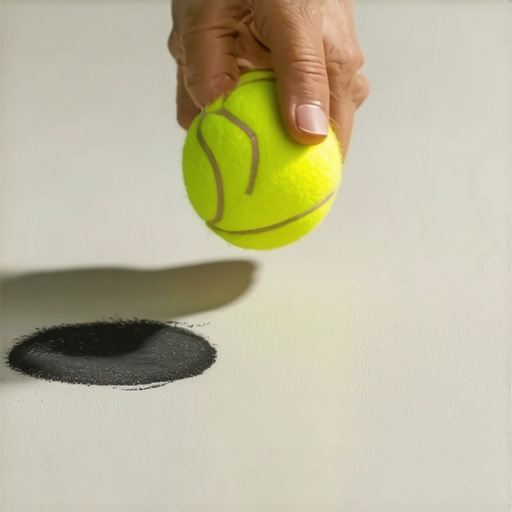
Removing scuffs from vinyl flooring with a tennis ball works because the felt fibers create enough friction to lift rubber transfers without melting the polyurethane wear layer. This mechanical bond between the ball and the floor is safer than harsh solvents that can strip the finish or cloud the clear coat. Most guys skip the leveling compound. They think the underlayment will hide the dip. It won’t. I spent three days grinding concrete on a job last month just so the floor wouldn’t click like a castanet. That clicking is the sound of your locking mechanism dying. When that floor moves, the scuffs become the least of your worries. A floor that deflects will grind its own finish away from the inside out. You see a scuff and think about aesthetics. I see a scuff and think about the coefficient of friction and the integrity of the factory UV cure. If you are using a tennis ball to fix a mark, you are engaging in a micro-abrasive process. It is effective because the felt on a standard tennis ball is a blend of wool and nylon. These fibers are soft enough to avoid scratching the Mohs hardness of a typical 20 mil wear layer but rigid enough to grab the carbon deposits left by a work boot or a chair leg. Flooring is a structural engineering challenge. If the subfloor is not flat to within 3/16 of an inch over a 10 foot radius, every step you take increases the localized heat on the surface. This heat makes the vinyl more susceptible to scuffing. I have seen floors in high-traffic areas look like a disaster zone within six months because the installer ignored the floor leveling requirements. They just threw down the planks and walked away. You cannot hide a bad slab with a pretty plank. It does not work that way. The ‘Tennis Ball’ trick is a band-aid for surface issues, but it reveals the chemistry of your home environment.
Why your subfloor is lying to you
Floor leveling requires a deep understanding of portland cement chemistry and the moisture vapor emission rate of the concrete slab. If you ignore the flatness of your substrate, the locking joints on your vinyl or laminate will eventually snap under the weight of foot traffic. I have walked into jobs where a $15,000 floor was ruined because nobody checked the crawlspace humidity. The floor was cupping so bad it looked like a potato chip. You have to treat the subfloor like the foundation of a skyscraper. If the base is crooked, the top will fail. For those dealing with floor leveling, you must understand that the self-leveling underlayment (SLU) is not just a pour-and-forget solution. You need to prime the substrate to prevent the concrete from sucking the water out of the SLU too fast. If the water leaves the mix before the chemical bond is set, the leveler will crack and flake. Then you have loose grit under your vinyl. That grit acts like sandpaper. Every time you walk, that grit is eating the underside of your floor. This leads to more surface deflection and, eventually, more scuffs that require the tennis ball trick. It is a vicious cycle. People think showers and wet areas are the only places moisture matters. They are wrong. A carpet install in an adjacent room can hide a damp subfloor that is migrating moisture sideways into your vinyl area. You have to look at the whole house as a single ecosystem. Humidity in the basement affects the kitchen upstairs. The physics of air movement and water vapor do not care about your floor transitions.
“A floor is only as good as the subfloor beneath it; deflection is the enemy of every joint.” – Master Flooring Axiom
The chemical bond of rubber and resin
Vinyl flooring is composed of polyvinyl chloride resins, plasticizers, and stabilizers that create a durable but thermoplastic surface. When a shoe scuffs the floor, it is often a molecular transfer of rubber onto the vinyl coating caused by localized friction heat. The tennis ball works by reversing this process. You are using a different material with a different surface tension to grab the scuff and pull it away. This is far superior to using a chemical stripper. Many homeowners reach for a bottle of acetone or paint thinner. That is a massive mistake. Acetone will eat through the wear layer of a luxury vinyl plank (LVP) faster than you can blink. It softens the PVC and can leave a permanent dull spot. I have seen beautiful floors ruined by a single drop of the wrong cleaner. If you want to keep your floor looking sharp, you need to understand the mil-thickness of your wear layer. A 6 mil layer is for a bedroom where you only walk in socks. A 20 mil or 30 mil layer is what you need for a kitchen or a hallway. If you have a thin wear layer, even the tennis ball trick should be done with care. You do not want to generate too much heat. Just a light rub is all it takes. Here is a comparison of common flooring specs that affect scuff resistance and durability.
| Feature | Residential Grade | Commercial Grade | Industrial Grade |
|---|---|---|---|
| Wear Layer Thickness | 6 mil to 12 mil | 20 mil | 30 mil+ |
| Core Material | Flexible PVC | SPC (Stone Plastic) | WPC (Wood Plastic) |
| Acclimation Time | 24 Hours | 48 Hours | 72 Hours |
| Janka Hardness (Ref) | N/A | N/A | High Density Core |
When you are looking at a carpet install, you are dealing with a totally different set of physics. Carpet absorbs impact. Vinyl reflects it. This reflection is why every imperfection shows up. If you are transitioning from a carpeted area to a vinyl area, the floor leveling at the doorway is vital. If there is a height difference, you create a trip hazard and a high-impact point. This is where scuffs happen most often. People drag their feet as they move from the soft surface to the hard surface. The tennis ball trick is a great maintenance tool, but preventing the scuff at the transition point is better. Use a proper T-molding or a reducer strip. Do not just butt the materials together and hope for the best. I hate bulky T-moldings as much as the next guy, but I hate broken floor joints even more. The minimalist look is great until the floor starts to pull apart because you did not leave an expansion gap.
The 1/8 inch that ruins everything
Expansion gaps are the lungs of a floating floor system, allowing the material to expand and contract with changes in temperature and humidity. Failing to provide a minimum 1/4 inch gap at every vertical obstruction will cause the floor to buckle. I have seen people lock their floor under a heavy kitchen island. They think the floor is waterproof so it will not move. That is a lie. Even if the material does not absorb water, the PVC will expand and contract based on temperature. If you lock it down, it has nowhere to go but up. This creates a bubble in the floor. When you walk on that bubble, the friction is massive. You will get scuffs every single day because the floor is rubbing against everything that touches it. You have to let the floor breathe. This applies to laminate too. Laminate is even more sensitive because the core is made of wood fibers. If a laminate floor gets wet from a leak in the showers or a kitchen spill, it will swell. Once it swells, the edges sit high. High edges are a magnet for scuffs. You will be out there with a tennis ball every ten minutes if you do not fix the moisture issue. I always tell people to buy a moisture meter. It is a $50 tool that can save a $10,000 floor. Check your subfloor. Check your walls. If the moisture is over 12 percent in a wood subfloor, do not install. If the concrete slab is throwing off more than 3 pounds of vapor per 1,000 square feet, do not install. It is that simple. Flooring is not about what looks good in a showroom. It is about what survives in the real world.
- Use a clean tennis ball with no dirt or grit.
- Cut a small ‘X’ in the ball to fit it onto a broom handle.
- Apply light pressure and rub in a circular motion.
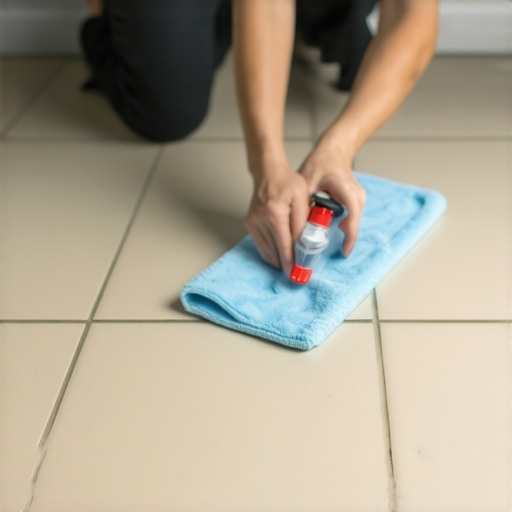
- Wipe the area with a damp microfiber cloth afterward.
- Never use a ball with a logo that has raised ink.
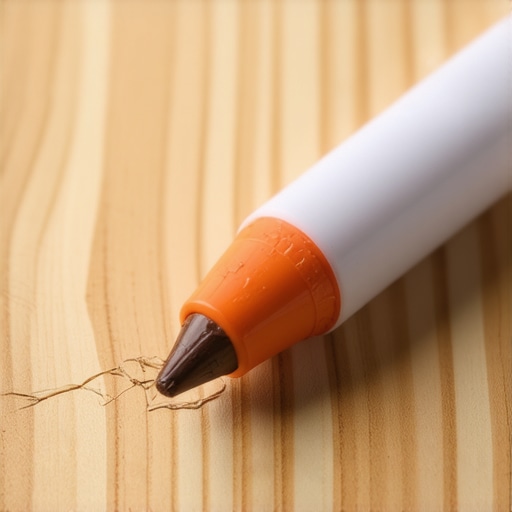
The chemistry of the tennis ball trick is about balancing the Shore A hardness of the rubber inside the ball and the felt on the outside. You are using the ball as a soft eraser. If the scuff is deep, it might have actually scratched the polyurethane. In that case, no amount of rubbing will fix it. You might need a specialized floor finish touch-up pen. But for 90 percent of black heel marks, the ball on a stick is the professional secret. It saves your back and your knees. I have spent enough time on my knees to know that any tool that lets you stand up is a win. Just remember that the floor is a system. From the showers to the front door, every piece needs to be installed with the subfloor in mind. Do not be the guy who thinks a thick underlayment will fix a bad slab. Too much cushion actually causes the locking mechanisms on LVP to snap under pressure because the floor flexes too much. It is better to have a rock-solid, flat floor than a soft, bouncy one that breaks in two years. Keep your subfloor flat, keep your expansion gaps open, and keep a tennis ball in your toolkit for those inevitable marks. That is how you maintain a performance surface.
“Floor flatness is not a suggestion; it is a structural requirement for all floating systems.” – TCNA Handbook Perspective