The Ping Pong Ball Test for Checking Your Shower Floor Pitch
The physics of the shower floor is a brutal reality that most homeowners ignore until the smell of mold starts creeping through the drywall. You can buy the most expensive Carrara marble in the world, but if the pitch is off, you just bought a very expensive petri dish. I once spent three days grinding concrete on a job last month just so the floor wouldn’t click like a castanet. The previous guy thought a thick layer of glue would hide his mistakes. It did not. It never does. A shower floor requires a precise 1/4 inch per foot slope toward the drain. Anything less and you have standing water. Anything more and you feel like you are standing on a hillside while trying to wash your hair. The ping pong ball test is the oldest trick in the book for a reason. It uses basic physics to reveal the truth about your installer’s craftsmanship.
The physics of the quarter inch rule
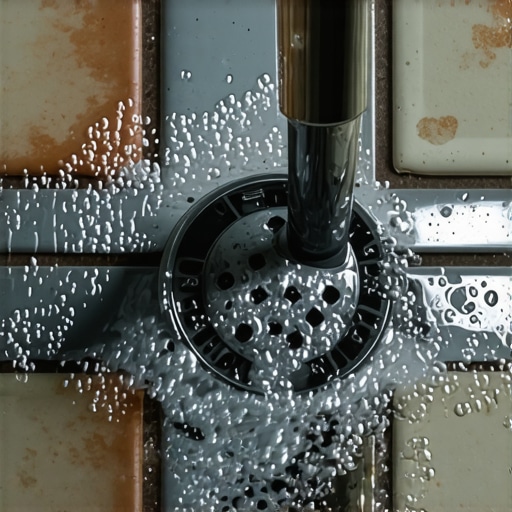
Gravity determines the velocity of surface runoff and a pitch of 1/4 inch per linear foot is the industry standard to prevent standing water and bacterial growth in residential showers. When the slope is too shallow, the surface tension of the water overcomes the pull of gravity. This creates static puddles that sit on your tile and eventually penetrate the grout. In the swampy humidity of Florida, standing water is an invitation for black mold to colonize your grout in less than forty-eight hours. The water stays there because the structural engineering of the mud bed failed. I have seen hundreds of pans where the installer just eyeballed it. They think they can fix it with more thin-set. They are wrong. Thin-set is an adhesive, not a leveling agent. When it dries, it shrinks. If it is too thick, it pulls the tile down and creates even more low spots.
“A floor is only as good as the subfloor beneath it; deflection is the enemy of every joint.” – Master Flooring Axiom
The ping pong ball method explained
Testing a shower pan with a ping pong ball allows an installer to verify the uninterrupted flow of water toward the central drain assembly without needing to flood the entire bathroom. To perform this test, make sure the floor is bone dry. If there is even a hint of moisture, the ball will stick to the surface tension. Place the ball at the furthest corner of the shower. A properly pitched floor will cause the ball to roll immediately toward the drain. If the ball stops or rolls toward a wall, you have a hump or a valley. I use this test because a level can lie. A level only shows you the pitch of a straight line. The ping pong ball shows you the reality of the entire surface area. It follows the path of least resistance, just like water. If that ball hangs up on a grout line, you have a lippage problem that will lead to toe-stubbing and water damming.
The hidden valley in your shower pan
Low spots in a shower pan often occur due to improperly mixed deck mud or the premature installation of waterproofing membranes before the substrate has fully cured. I have seen guys throw down a mud bed like they are icing a cake. They do not pack it tight enough. When the water in the mix evaporates, the sand collapses. This creates a hidden valley. You might not see it with the naked eye. But you will feel it when you are standing in an inch of cold water ten minutes after you turned the shower off. The chemistry of the mud bed is specific. You need a 4 to 1 ratio of sharp sand to Portland cement. It should be the consistency of a damp snowball. If it is too wet, it shrinks. If it is too dry, it crumbles. This is not a job for a weekend warrior with a bucket of premixed concrete.
| Slope Ratio | Drainage Efficiency | Common Issues |
|---|---|---|
| 1/8 inch per foot | Poor | Puddling, mold, grout rot |
| 1/4 inch per foot | Ideal | Optimal water flow |
| 1/2 inch per foot | Aggressive | Slippage hazard, tile lippage |
Why your subfloor is lying to you
Subfloor deflection and structural joist sagging are the primary reasons why even a perfectly installed shower pan will eventually lose its required pitch for drainage. I once walked into a house where the homeowner complained about a leak. I pulled the tile and found the entire subfloor was rotting because the installer didn’t check the crawlspace humidity. The wood expanded and pushed the shower pan upward in the center. It looked like a mountain range. Most guys skip the leveling compound. They think the underlayment will hide the dip. It won’t. If your house is settling, your shower is moving. You have to account for that with a solid foundation. You cannot build a skyscraper on a swamp. You cannot build a shower on a bouncy floor.
Chemistry of the mud bed and thinset
The mechanical bond of modified thin-set relies on polymer additives like ethylene vinyl acetate to create a hydrophobic barrier while maintaining flexibility. When we talk about shower floors, we are talking about a multi-layered system. You have the subfloor, the pre-pan, the liner, the final mud bed, and then the tile. If one of those layers is off by a hair, the whole thing fails. The polymers in modern thin-set allow for a slight bit of movement, but they cannot compensate for a lack of pitch. The water will find its way through the grout and sit on the membrane. If the membrane is not sloped, the water just sits there, rotting the thin-set from the bottom up. This is why you get that nasty smell. It is literally stagnant water trapped under your feet.
“The minimum slope for a shower subfloor or liner is 1/4 inch per foot, and the slope must be maintained to the drain.” – TCNA Handbook Standards
- Clear the area of all construction debris and dust.
- Ensure the shower floor is completely dry for at least 24 hours.
- Place the ping pong ball in each corner of the shower.
- Record the path of the ball to identify stagnant zones.
- Repeat the test from the midpoint of each wall.
- Check for any grout lines that physically stop the ball’s movement.
The 1/8 inch that ruins everything
Tile lippage and uneven grout joints can create mechanical obstructions that prevent water from reaching the drain grate despite a correct overall pitch. People want these massive 12 by 24 inch tiles in their showers now. It is a nightmare for drainage. To get those big tiles to follow a curve, you end up with edges that stick up. That 1/8 inch lip is enough to trap a pool of water. It is a trip hazard and a hygiene disaster. I tell people to stick with mosaic tiles for the floor. They follow the contour of the mud bed. They provide more grip. And they do not interfere with the ping pong ball’s journey to the drain. If you insist on large format tile, you better be prepared for a lot of grinding and a very expensive install.
The final word on drainage
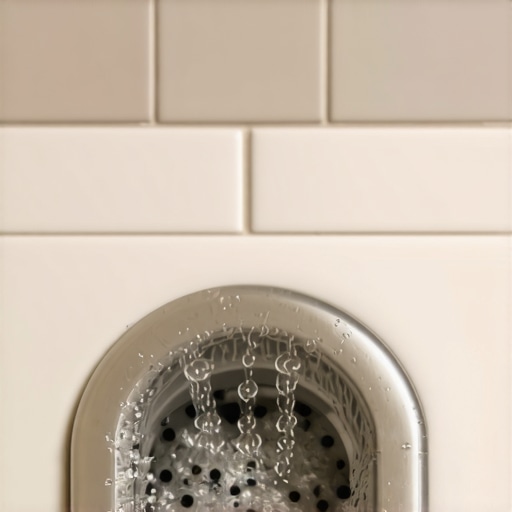
Regular maintenance and inspection of the shower floor slope ensures that the waterproofing system remains intact for the lifespan of the home. If your ping pong ball does not roll, you have a problem that will only get worse with time. Do not wait for the leak to show up in the ceiling below. Fix the pitch now. It might mean tearing out some tile, but it is better than tearing out the whole bathroom. Grounding your expectations in the physics of the install is the only way to get a floor that lasts. Stop worrying about the color of the grout and start worrying about the angle of the floor. That is what keeps your house standing.