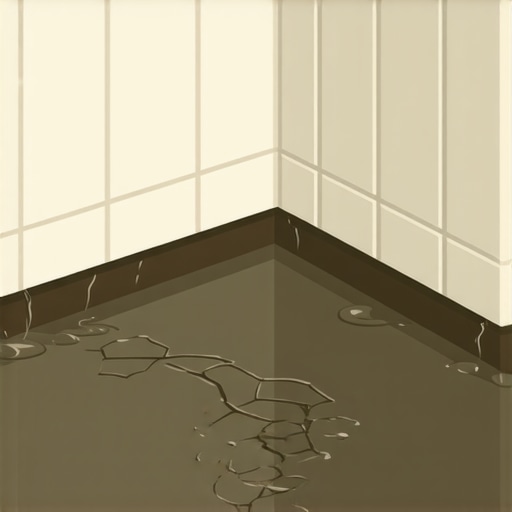
The ‘Food Coloring’ Test for Detecting a Leaky Shower Drain Before It Ruins Your Floor
The ‘Food Coloring’ Test for Detecting a Leaky Shower Drain Before It Ruins Your Floor
As an expert in plumbing vancouver and the surrounding Lower Mainland, I have seen the devastating effects of a “silent killer” in the home: the slow-moving shower drain leak. Unlike a burst pipe that floods your basement in minutes, a shower drain leak is a patient destroyer. It drips once every few seconds, only when the shower is in use, soaking into the subfloor, rotting the joists, and inviting toxic mold to flourish in the dark, damp cavities of your home. By the time you see a damp spot on the ceiling below or feel a “squish” in your bathroom tile, the damage is often in the thousands of dollars.
My name is Sukhdev Laura, and I’ve spent years providing drainage repairs and comprehensive plumbing services to homeowners from Surrey to West Vancouver. I know that the key to saving your home – and your bank account – is early leak detection. One of the most effective, low-cost methods for identifying a hidden breach in your shower’s integrity is the “Food Coloring” test. This simple DIY diagnostic tool can tell you exactly where your system is failing before you need to call in the plumbers vancouver bc for a full-scale renovation.
Before we dive into the mechanics of the test, it is vital to understand that a shower is more than just a basin; it is a complex assembly of waterproofing layers. If you’ve noticed odd textures in your shower floor, you might want to read about Why Your Shower Pan Liner is Bubbling and How to Flatten It, as these bubbles are often the first sign that water is escaping its intended path.
Why Shower Drains are Deceptive
To the average homeowner, a shower drain looks like a simple hole in the floor. In reality, it is a multi-component system consisting of a strainer, a clamping ring, a shower pan liner, a waste pipe, and a P-trap. The most common point of failure is the connection between the drain assembly and the waterproofing liner. Because these components are buried beneath layers of thinset and tile, a water leak here remains invisible to the naked eye.
Gravity is also a deceptive factor. Water rarely moves in a straight line once it escapes a pipe. It follows the path of least resistance, often traveling along the outside of a sloped pipe or across a level joist before finally dripping onto the drywall below. This means the water spot on your kitchen ceiling might be ten feet away from the actual source of the leak. This is why professional plumbing vancouver specialists rely on diagnostic tests rather than just visual inspections. If the drain was installed incorrectly from the start, the issues are compounded. You can learn more about this in our guide on How to tell if your shower drain is set too high.
The Science of the ‘Food Coloring’ Test
Why use food coloring? In the world of professional drainage repairs, we often use specialized UV dyes to track water movement. Food coloring is the residential version of this technology. Clear water is virtually impossible to track when it is soaking into grey concrete or brown plywood. By introducing a high-contrast pigment – typically dark blue or vibrant red – you create a visual “breadcrumb trail.”
When I work as a plumber burnaby residents trust, I explain that this test works because of the high visibility of the dye against building materials. If you pour colored water into a suspected leak area, the dye will stain the exit point. This allows us to differentiate between a leak in the drain pipe itself and a failure in the shower’s waterproofing envelope (the pan liner). This distinction is crucial because a drain pipe repair is a very different job than a full shower floor replacement.
Step-by-Step Guide: Performing the Test
Performing this test correctly requires patience and precision. Follow these steps to get an accurate diagnosis:
1. Dry the Area Completely
You cannot find a new leak if the area is already wet. Stop using the shower for at least 24 to 48 hours. Use a floor fan or a dehumidifier to ensure the subfloor (if visible from below) and the tile surface are bone dry. As a specialist in plumbing surrey bc, I’ve seen many false negatives because the homeowner didn’t wait for the area to dry first.
2. Plug the Drain
You need to isolate the shower floor from the drain pipe. Use an expansion plug (available at any hardware store) to seal the drain at the floor level. If you don’t have one, the “Plunger trick” involves using a flat rubber sink stopper held down by a heavy weight, though an expansion plug is much more reliable.
3. Mix Your Solution
Fill a large bucket with 2-3 gallons of water. Add an entire bottle of dark food coloring. You want the water to be opaque and deeply stained. Blue and red work best; yellow and green can sometimes blend in with mold or wood rot, making them harder to see.
4. The “Pan Test” (Testing the Liner)
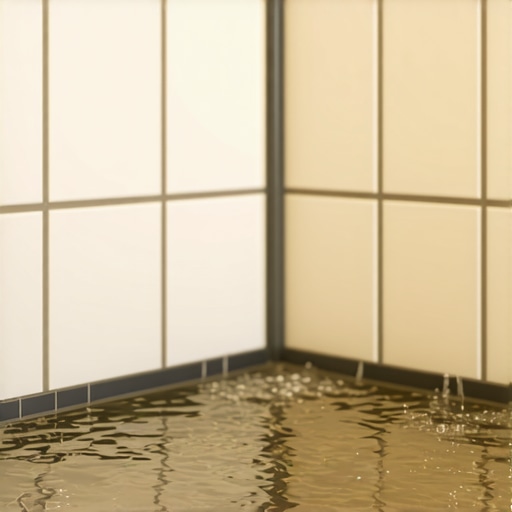
Pour the colored water onto the shower floor, but do not let it go down the drain yet. Fill the base until the water is about an inch deep. This tests the integrity of the shower pan liner and the curb. Before you do this, you may want to perform The ‘Drip Test’ for Checking Your Shower Pan Liner for Pinholes to see if the liner is the primary suspect.
5. Observe and Wait
Wait for at least 30 to 60 minutes. Go to the floor below or check the perimeter of the shower walls. If you see colored water seeping out, you have a failure in your waterproofing or pan liner. This is a sign that you need drainage repair experts to look at the structural integrity of the shower base.
6. The “Pipe Test” (Testing the Drain)
If no leaks appear during the pan test, pull the plug and let the colored water flow down the drain. This tests the waste pipe and the P-trap connections. Watch the ceiling below or the crawlspace. If the colored water appears now, the leak is in the plumbing lines themselves, requiring a drain pipe repair.
Interpreting the Results
Once the test is complete, the “stain” left behind tells a story. As a plumber vancouver, I use these results to determine the scope of work:
- Color at the base of the wall: This suggests the “wicking” effect. Your pan liner likely doesn’t extend high enough behind the backer board, or your shower niche is failing. If you suspect the latter, check out Why Your New Shower Niche is Leaking into the Wall Cavity.
- Color on the ceiling directly below the drain: This is a classic sign of a failed drain flange or a loose connection where the PVC meets the drain body. This often requires a plumber vancouver bc to cut a small access hole in the ceiling to tighten or replace the assembly.
- No color appears, but water still leaks: If you are still seeing clear water damage despite the food coloring test coming back negative, the leak is likely in the “supply” side – the pipes behind the wall that carry water to the showerhead. This requires professional leak detection equipment.
When DIY Isn’t Enough: Professional Drainage Repairs
While the food coloring test is an excellent diagnostic tool, it is only the first step. Finding the leak is one thing; fixing it without causing further damage is another. In the Greater Vancouver area, specifically in high-density areas like North Vancouver or Coquitlam, plumbing systems can be complex, often tied into older clay pipes or modern high-efficiency drainage systems.
If your test reveals a leak in the drain pipe, you are looking at a drain pipe repair that might involve cutting into the subfloor or the ceiling below. This is not the time for DIY experimentation. As a leading hvac company Vancouver residents rely on for all home systems, we understand that a small mistake in a drainage repair can lead to sewage backups or persistent moisture issues. When you need plumbing services near me, you need a team that understands local building codes in plumbing surrey bc and plumbers in coquitlam bc.
Furthermore, if the leak has been active for a while, you may need emergency services plumbing to address structural rot. Leaving a confirmed leak “for later” is the fastest way to turn a $500 repair into a $15,000 bathroom tear-out. Whether you are looking for a plumber coquitlam or plumbing north van, professional intervention ensures the root cause is addressed, not just the symptom.
Prevention and Maintenance
The best way to deal with a leaky shower drain is to never have one in the first place. This starts with the exterior of your tile. Grout is not waterproof; it is the liner underneath that does the heavy lifting. However, keeping your grout and silicone in good shape prevents excessive water from reaching that liner in the first place.
I always recommend that homeowners in the Lower Mainland check their silicone beads once a year. The high humidity in Vancouver and Surrey can cause silicone to peel or mold, breaking the seal. When you re-caulk, use The ‘Painter’s Tape’ Trick for Perfect Silicone Beads to ensure a professional, watertight finish. Additionally, if you have an older home, consider a routine drain service near me to ensure that hair and soap scum aren’t causing pressure build-up in your P-trap, which can stress the joints over time.
Conclusion
A water leak in the shower is a race against time. By using the food coloring test, you can take control of your home’s maintenance and provide your plumber with the vital information they need to perform an efficient drainage repair. This simple bottle of dye can be the difference between a minor fix and a catastrophic floor failure.
If your test has confirmed a leak, or if you are uncomfortable performing the diagnostic yourself, don’t wait for the rot to set in. Our team provides expert plumbing vancouver bc services, including leak detection, boiler repairs near me, and comprehensive drainage repairs. We serve the entire Lower Mainland, providing the professional plumbing surrey bc and plumbers west vancouver residents have trusted for years.
Contact Sukhdev Laura and the Floorcraft team today to schedule your professional inspection and protect your home from hidden water damage.