The Drain Flange Error That Floods Your Bathroom Subfloor
The hidden gap between the flange and the subfloor
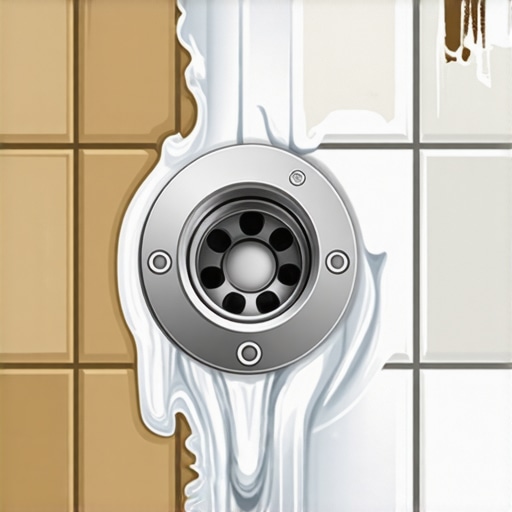
A drain flange error occurs when the height of the plumbing fixture is not perfectly calibrated with the finished floor thickness, leading to water bypass and structural rot. This specific failure point creates a path for greywater to migrate under the tile or laminate, saturating the plywood or concrete. This results in mold growth and complete subfloor failure within twenty-four months of installation. Most guys skip the leveling compound. They think the underlayment will hide the dip. It won’t. I spent three days grinding concrete on a job last month just so the floor wouldn’t click like a castanet. That job taught me that even a 1/8 inch deviation across ten feet creates a trampoline effect. If that deviation exists near a shower drain, your waterproofing membrane will stretch, stress, and eventually snap at the bond line. I have seen fifteen thousand dollar bathrooms stripped to the studs because an installer didn’t understand the physics of a clamping ring. You smell the rot before you see it. It starts as a damp, earthy scent that the homeowner ignores until the floor starts to feel spongy near the toilet or the shower curb.
The physics of a failed waterproofing bond
Waterproofing bonds fail when the substrate undergoes excessive deflection or when the thin-set mortar is not compatible with the membrane chemistry. Every floor has a deflection rating, usually L/360 for ceramic and L/720 for natural stone. When you ignore floor leveling, the substrate flexes. This movement breaks the bond between the drain flange and the waterproofing fabric. When I talk about molecular zooming, I am talking about the way liquid-applied membranes interact with the porosity of the subfloor. If the concrete is too dry, it sucks the moisture out of the membrane before it can cure. This leaves you with a brittle film rather than a rubberized shield. You need to understand the Portland cement chemistry involved here. When water moves through a failed flange, it uses capillary action to travel sideways. It does not just stay under the drain. It finds the edge of the room. It finds the carpet install in the hallway and starts to wick up the tack strips. By the time you notice the damp spot on the carpet, your bathroom joists are already compromised.
“A floor is only as good as the subfloor beneath it; deflection is the enemy of every joint.” – Master Flooring Axiom
Why your shower pan is actually a ticking clock
A shower pan acts as a ticking clock when the pre-slope is insufficient to move water toward the drain before it permeates the grout. Grout is not waterproof. It is a filter. If your installer built a flat subfloor instead of a sloped one, water sits on the membrane. This creates hydrostatic pressure. Over time, that pressure forces water through the tiny gaps in the PVC solvent weld at the drain flange. I have spent decades on my knees with a moisture meter and a level. I know that a floor is a performance surface. When people try to put laminate in a bathroom, they are asking for a disaster. Laminate is basically high-density fiberboard, which is just fancy talk for pressed sawdust. One leak at the flange and the whole floor expands like a sponge in a bucket. You cannot save it once the edges peak. You have to rip it out. The same goes for a bad carpet install near a wet area. The pad acts as a reservoir for every drop that escapes the shower. It is a breeding ground for bacteria that will eat your subfloor alive.
Substrate performance and moisture tolerance levels
| Substrate Type | Max Moisture Content | Expansion Rating | Best Use Case |
|---|---|---|---|
| Plywood (CDX) | 12 percent | High | Dry areas only |
| OSB (Advantech) | 10 percent | Medium | General flooring |
| Concrete Slab | 4 lbs per 1000sqft | Low | Tile and Stone |
| Cement Board | N/A (Inorganic) | Zero | Shower wet zones |
The ghost in the expansion gap
The expansion gap is the intentional space left around the perimeter of a floor to allow for seasonal movement caused by changes in humidity. If you lock a floor under a heavy kitchen island or fail to leave that gap, the floor will buckle. When water leaks from a drain flange, the wood fibers swell. If there is no gap, the floor has nowhere to go but up. This creates a hump in the middle of the room. I hate builder-grade carpet and unacclimated hardwood for this very reason. People buy wood from a warehouse and install it the same day. That is a recipe for heartbreak. The wood needs to sit in the house for at least a week to reach equilibrium with the local climate. If you are in a swampy area like Houston, that wood is going to expand significantly. If you are in the dry heat of Phoenix, it will shrink. If you have a leak at the drain flange, the local humidity under the floorboards spikes to 100 percent instantly. The physics of wood expansion are relentless. It will literally rip the nails out of the subfloor if it has to.
The checklist for a dry subfloor
- Verify the plumbing flange height is flush with the anticipated tile substrate.
- Apply a primer to the subfloor before using any self-leveling underlayment.
- Check for floor leveling within 1/8 inch over a 10 foot radius.
- Perform a flood test on the shower pan for 24 hours before tiling.
- Seal all penetrations in the subfloor including pipe inlets and electrical runs.
“Proper acclimation is the difference between a floor that lasts a century and a floor that lasts a season.” – NWFA Technical Manual
The chemistry of modified thin-set and PVC bonding
Modified thin-set contains polymers that allow for slight movement and increased adhesion to non-porous surfaces like drain flanges. When you are dealing with a PVC or ABS flange, you cannot just slap standard mortar on it and expect it to hold. You need the chemical bond. The polymers in the thin-set act like tiny anchors that grab onto the plastic. If the installer uses the wrong mud, the tile will pop off the drain within a year. This is the structural engineering of flooring. It is not about what looks pretty. It is about how the molecules of the adhesive interact with the molecules of the substrate. While most people want the thickest underlayment, too much cushion actually causes the locking mechanisms on LVP to snap under pressure. You need a firm, flat base. If the subfloor is dipping, the thin-set will crack, the grout will crumble, and the water will find its way to the wood below. It is a chain reaction of failure that starts with a single installer being too lazy to use a level.