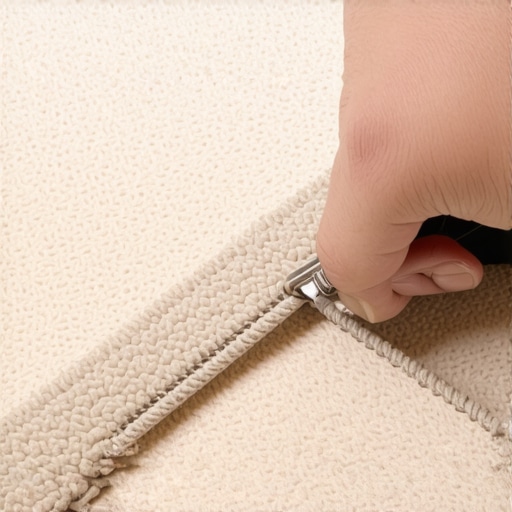
I spent three days grinding concrete on a job last month just so the floor would not click like a castanet. Most guys skip the leveling compound. They think the carpet padding or the underlayment will hide the dip. It will not. A floor is only as good as the subfloor beneath it. If you have a valley in your plywood or a hump in your slab, your carpet seams are going to pull, fray, and eventually fail because the tension is not distributed equally across the surface. I have seen fifteen thousand dollar carpet installs ruined because the installer was too lazy to pull out a straight edge and some floor leveling compound. When the subfloor is uneven, the heat tape cannot make a uniform bond with the carpet backing. This creates weak spots where the thermoplastic resin does not penetrate the fibers, leading to the dreaded fraying that homeowners hate. We are going to look at the structural physics of these seams and how to ensure your 2026 projects remain intact for decades.
The invisible failure of the thermoplastic bridge
Carpet seam fraying occurs when the thermoplastic adhesive in the heat tape fails to encapsulate the primary and secondary backings of the carpet. This failure is often rooted in improper temperature control or insufficient dwell time. When the iron moves too fast, the resin remains viscous and does not soak into the yarn. When the iron is too hot, it can scorch the synthetic fibers, making them brittle and prone to snapping. A professional seam requires a chemical and mechanical bond where the hot melt adhesive acts as a bridge between two distinct textile structures. If the subfloor has not undergone proper floor leveling, the heat iron may skip over low spots, leaving sections of the tape dry. This is why site preparation is the most critical step in any carpet install. You can buy the most expensive tape in the world, but if your subfloor is a rollercoaster, your seam will be a disaster.
“A floor is only as good as the subfloor beneath it; deflection is the enemy of every joint.” – Master Flooring Axiom
Tactic one for the dual bond method
The dual bond method involves applying a liquid seam sealer to the edges of the carpet before the heat tape process begins. This creates a secondary layer of protection against fraying. Most installers think the heat tape is enough, but the tape only grabs the bottom of the backing. The liquid sealer locks the individual tufts of yarn into the primary backing so they cannot pull out when a vacuum or a heavy piece of furniture passes over them. This is especially important near high moisture areas like showers where humidity can soften the standard hot melt resins over time. You must apply the sealer to both edges, ensuring a thin bead that does not get onto the face fibers. If you get sealer on the pile, the carpet is ruined. It takes a steady hand and years of practice to get this right, but it is the only way to guarantee the seam will not fray in a high traffic hallway. This tactic separates the master mechanics from the weekend warriors who just want to get paid and get out.
The physics of heat iron calibration and dwell time
Heat iron calibration is the process of matching the iron temperature to the specific melting point of the thermoplastic resin and the carpet backing. Different carpets have different thermal tolerances. A thick wool rug requires more heat and a slower pace than a thin polyester apartment grade carpet. If you are working in a room near steam from showers, the ambient humidity can actually pull heat away from the iron, requiring a higher setting. You want the iron to be hot enough to make the adhesive flow like honey but not so hot that it smokes. The dwell time, which is how long the iron sits over a specific section of tape, must be consistent. I use a slow, rhythmic count. Moving the iron too quickly is the number one cause of seam separation. The resin needs time to move through the mesh of the tape and into the grid of the carpet backing. This is a molecular process that cannot be rushed by a ticking clock or a demanding general contractor.
Tactic two for perimeter tension and backing stretch
Perimeter tension ensures that the carpet seam remains under constant pressure without overstretching the primary backing. When you use a power stretcher, you are applying thousands of pounds of force to the carpet. If your seam is weak, it will pop like a zipper. The trick is to stretch the carpet toward the seam, not away from it, during the initial set. This reduces the stress on the heat tape bond while it is still curing. Many guys make the mistake of stretching the room before the seam has completely cooled. This is a recipe for failure. The adhesive needs at least twenty minutes to reach its full structural integrity. In a professional carpet install, we use stay nails to hold the tension in place while the seam sets. This prevents the gap from opening up and ensures the edges stay tightly butted together. It is about managing the elastic memory of the carpet fibers so they do not try to pull back to their original shape and rip the seam apart.
The impact of subfloor chemistry on adhesive longevity
The chemical interaction between the subfloor and the heat tape adhesive can determine the long term stability of the carpet seam. If you are installing over a concrete slab with high alkalinity, that moisture can rise through the slab and attack the bond of the tape. This is why checking moisture levels is non negotiable. I have seen seams dissolve because the installer ignored a damp basement floor. If the floor leveling compound used was of a low quality, it can break down into dust under the carpet, which then mixes with the adhesive and turns it into a gritty, non-adhesive mess. You need a clean, stable, and pH neutral surface for the best results. This applies to laminate transitions as well. If the transition strip is not secured to a solid subfloor, it will wiggle and eventually tear the carpet seam it is supposed to protect. Every part of the flooring system is interconnected.
| Tape Grade | Resin Weight (grams) | Melting Point (F) | Primary Use Case |
|---|---|---|---|
| Standard Residential | 22g | 250F | Bedroom low traffic |
| Commercial High Bond | 42g | 310F | Office corridors |
| Low Smoke Silicone | 30g | 285F | High end residential |
| Wide Width 6-inch | 50g | 300F | Patterned carpet match |
Tactic three for the cool down compression phase
The cool down compression phase uses a specialized seam weight to dissipate heat and lock the adhesive into the fibers. You cannot just walk away from a hot seam. You need to follow the iron with a seam roller and then a heavy wooden or metal weight. This weight serves two purposes. First, it flattens the seam so there is no peaking. Second, it acts as a heat sink, drawing the thermal energy out of the adhesive so it hardens faster. I prefer a heavy oak block because it breathes and allows some moisture to escape. If you use a plastic weight, you can trap heat and cause the backing to ripple. This is the structural zooming that most people miss. They think the iron does all the work, but the cooling process is where the actual bond strength is created. Without proper compression, the resin will stay on the surface and never truly integrate with the carpet. This is why some seams look great for a week and then start to pull apart as soon as the homeowner starts living on them.
Tactic four for the carpet tractor and pile geometry
A carpet tractor is used to blend the face fibers across the seam to hide the transition and prevent mechanical fraying from foot traffic. The pile geometry must be respected. Every carpet has a grain or a nap. If you seam two pieces with the nap running in opposite directions, the seam will always be visible and will wear unevenly. This uneven wear is a primary driver of fraying. The carpet tractor has spiked wheels that physically knit the fibers together while the adhesive is still warm. This creates a unified surface that resists the shearing forces of walking. When someone walks, their foot pushes the carpet forward and down. If the fibers are not knitted together, that force is concentrated on the edge of the backing. Over time, this mechanical stress breaks the bond. By using the tractor properly, you distribute that force across the entire seam area, significantly increasing the lifespan of the install.
“Deflection in the subfloor is the silent killer of the perfect carpet seam.” – Master Flooring Axiom
The 2026 Seam Integrity Checklist
- Ensure subfloor is level within 1/8 inch over a 10 foot radius using floor leveling compound.
- Verify that all carpet edges are factory straight or hand trimmed with a fresh blade.
- Apply a high quality liquid seam sealer to both carpet edges before heat taping.
- Calibrate the heat iron to the specific requirements of the carpet backing material.
- Use a seam weight for at least sixty seconds on every section of the seam.
- Acclimate the carpet to the room temperature and humidity for 24 hours prior to install.
- Avoid stretching the carpet until the seam has reached room temperature.
- Check for nearby moisture sources like showers that could affect adhesive curing.
Comparative analysis of carpet and laminate transitions
Laminate transitions require a different approach to edge protection than wall to wall carpet seams. While a carpet seam is hidden and joined with tape, a transition to laminate usually involves a metal or wood T-molding. This molding must be anchored directly into the subfloor. If the subfloor is loose, the transition will bounce, which creates a sawing motion against the carpet edge. This will cause fraying faster than any foot traffic ever could. I always use a construction adhesive in addition to the track screws when installing these transitions. It prevents the vibration that ruins the carpet. This is the difference between a floor that lasts five years and one that lasts twenty. You have to think about the physics of movement and how different materials interact at the junction point. Laminate expands and contracts, while carpet is under constant tension. Managing that conflict is the hallmark of a master installer.
Environmental factors and the ghost in the expansion gap
Humidity and temperature fluctuations can cause the subfloor to move, putting unexpected stress on the carpet seams. In regions with high humidity, plywood subfloors can swell. This swelling narrows the expansion gaps and can cause the floor to peak. When the subfloor peaks, it pushes the carpet seam upward, making it a target for abrasion. This is why we leave a gap at the perimeter and why we are so obsessed with floor leveling. If the subfloor is not stable, nothing on top of it will be. I have seen seams that were perfect in the winter pull apart in the summer because the house shifted. You have to build for the worst case scenario. This means using high quality adhesives that remain somewhat flexible even after they have cured. Brittle adhesives fail during seasonal shifts. You want a bond that can breathe with the house but still hold the fibers with a death grip. This is the balance we strike on every job site.