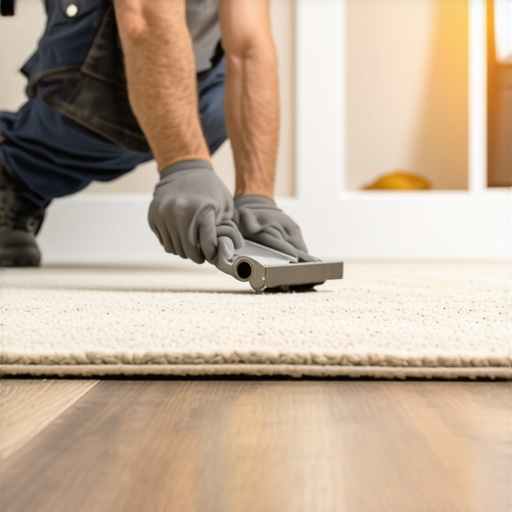
I remember the moment clearly—my living room floor was uneven, causing my new carpet to ripple and look utterly sloppy. It was a wake-up call. I realized that without proper leveling, even the most beautiful flooring can look cheap and poorly installed. That was my lightbulb moment: the secret to a stunning, long-lasting home isn’t just choosing the right materials but making sure the foundation is flawless.
Why Proper Floor Leveling Changes Everything
In 2024, homeowners are more focused than ever on durable, stylish spaces. But the truth is, no matter how trendy your carpet or laminate looks, if your subfloor isn’t level, everything suffers. Uneven floors can lead to cracking, premature wear, and even safety hazards. Trust me, I’ve learned the hard way—skimping on leveling can cost you big time down the line.
Research shows that flooring problems are among the top reasons for costly renovations within just a few years of installation. A smooth, even surface isn’t a luxury; it’s a necessity for lasting beauty and performance. When I started applying expert tips for floor leveling, I noticed an immediate difference—not just in appearance, but in how my home felt solid and secure. Want that confidence in your home? I’ll show you how to get there.
Is Floor Leveling Truly Worth the Effort?
Early on, I made a mistake—thinking I could skip the professional-grade leveling process to save time and money. Spoiler alert: it backfired. The unevenness became more apparent over time, and I ended up having to redo much of my work. That taught me that proper leveling isn’t just a step; it’s the foundation of everything else.
If you’re wondering whether investing in expert techniques is worth it, I can tell you firsthand—absolutely. And you don’t have to guess. For detailed guidance, I recommend checking out expert carpet & floor leveling tips. This resource helped me understand the critical nuances and avoid rookie mistakes.
Now that we’ve covered why floor leveling is non-negotiable, let’s dive into the practical steps that will help you create a flawless, durable, and stylish home in 2024. Ready to transform your space?
Start with a Clear Assessment
My first step was to inspect my subfloor meticulously, identifying high spots and dips. I used a long straightedge and a level, much like a builder checking for uneven surfaces. When I found a particularly wavy patch, I marked it with chalk for reference. This initial assessment is crucial; skipping it is like trying to fix a car without diagnosing the engine issues first.
Prepare Your Tools and Materials
Next, I gathered all necessary supplies: self-leveling compound, concrete patch, a trowel, a drill with a mixing paddle, and safety gear. Trust me, having everything ready before you start prevents frustrating delays. For specific tips on choosing the right leveling products, check out premium carpet & floor leveling tips.
Address Major Unevenness First
In my case, I noticed a corner that was several centimeters lower than the rest. I used a concrete patch to fill in the dips, applying it with a trowel. Think of this as patching a pothole before painting the road; it’s about creating a solid base. I made sure to smooth out the patch carefully, then allowed it to cure fully—usually about 24 hours—to prevent future cracking.
Pour the Self-Leveling Compound Smartly
This was the fun part. I mixed the self-leveling compound according to the manufacturer’s instructions, ensuring a fluid, lump-free consistency. Pouring it in sections, I worked quickly but carefully, guiding the liquid into dips and spreading it evenly with a gauge rake. The compound naturally finds its level, much like pouring honey; this is where patience and speed matter. If you want professional guidance on this process, I recommend reviewing expert carpet & floor leveling tips.
Ensure Proper Curing and Final Checks
After pouring, I let the compound cure undisturbed for the recommended time. Moving too early can ruin the level surface, similar to walking on wet paint. Once hardened, I used a straightedge to verify the smoothness—any minor imperfections I filled with additional compound. This step guarantees a flawless foundation for your flooring.
Finish with a Quality Subfloor
Finally, I installed a new subfloor over the leveled surface, ensuring it was securely fastened. This creates a stable platform for your chosen flooring material. For premium results and durability, I suggest exploring expert laminate floor leveling tips.
When it comes to floor leveling, many homeowners operate under assumptions that can lead to costly mistakes. Despite the abundance of DIY guides and advice, there are subtle nuances and common myths that often derail successful projects. Let’s dig deeper into what most people get wrong about floor leveling, so you can avoid these pitfalls and achieve a flawless finish.
Myth: All Self-Leveling Compounds Are Created Equal
A widespread misconception is that any self-leveling compound will do the job. In reality, there are significant differences in quality, viscosity, curing time, and suitability for specific subfloor conditions. Low-quality products may crack or shrink over time, especially if not applied correctly. For optimal durability, I recommend researching products and understanding their properties. Consulting expert resources like premium carpet & floor leveling tips can help you select the right material for your project.
Why Overlooking Subfloor Preparation Is a Costly Mistake
Many DIYers rush straight into pouring compounds without thoroughly preparing the subfloor. This common oversight leads to poor adhesion, uneven curing, and eventual failure of the leveling job. Proper preparation involves cleaning, removing debris, and sometimes applying a bonding agent. Skipping this step is like building a house on a shaky foundation—eventually, everything else suffers. Ensuring a clean, stable base is a crucial step often underestimated, but it’s the secret to a lasting result.
Advanced Question: How Do Temperature and Humidity Affect Floor Leveling?
For those seeking a professional-grade finish, understanding environmental factors is vital. Variations in temperature and humidity can influence the curing process, leading to cracks or uneven surfaces. For example, high humidity can slow down curing, while cold temperatures may prevent proper bonding. I learned this the hard way—by paying attention to climate conditions and choosing products designed for specific environments, I avoided future issues. For detailed insights, check out expert laminate floor leveling tips. Proper environmental control during application is often overlooked but can make or break your project’s success.
Have you ever fallen into this trap? Let me know in the comments. Remember, a little extra research and preparation goes a long way toward achieving a smooth, durable floor that enhances your home’s beauty and safety.
Maintaining a perfectly leveled floor is an ongoing process that requires the right tools and a proactive approach. Over time, factors like temperature fluctuations, humidity, and regular wear can cause your flooring to shift or develop imperfections. To keep your floors looking flawless and performing well, I recommend investing in some specific equipment and adopting routine maintenance practices that can save you time and money in the long run.
Why Quality Tools Make All the Difference
For precise and durable results, I personally rely on a high-quality laser level. Unlike traditional bubble levels, a laser level projects a consistent, straight line across large sections of your floor, making it easier to spot uneven areas that need attention. I use the DeWalt DW089LG because it’s highly accurate, durable, and easy to operate, even in challenging lighting conditions. This tool has become indispensable for both initial leveling and periodic checks during maintenance.
In addition, I keep a digital moisture meter handy. Moisture fluctuations can cause self-leveling compounds and other flooring materials to crack or warp over time. The Extech MO290 moisture meter provides quick, reliable readings, helping me identify areas vulnerable to moisture-related issues so I can address them before they become bigger problems.
Routine Inspection and Repairs
I schedule quarterly inspections using my laser level and moisture meter. This proactive approach allows me to catch minor issues early. Small dips or cracks can often be fixed with quick patches or reapplication of leveling compound, preventing costly repairs later. For instance, if I notice a slight rise or dip, I simply clean the area thoroughly, apply a suitable patch or leveling compound, and then recheck with my laser level once cured.
Another valuable tool is a high-grade trowel with a flexible blade. This helps in smoothing out patches and leveling compounds smoothly, ensuring a seamless transition to the existing floor. I prefer the Marshalltown Trowel because of its ergonomic handle and durable construction.
Future Trends in Floor Maintenance
Looking ahead, I believe that smart sensors integrated into flooring materials will revolutionize maintenance routines. These sensors could continuously monitor environmental conditions and alert homeowners to potential issues before they manifest as visible problems. For now, though, sticking with reliable, professional-grade tools and regular inspections is the best way to ensure your floors stay level and beautiful for years to come.
How do I keep my floor level over time?
Regular checks with laser levels and moisture meters are key. Address any uneven spots or moisture issues promptly, and use quality tools and materials for repairs. Remember, consistency is the secret to lasting results. For detailed guidance on maintaining your leveled floors, I recommend reviewing expert laminate floor leveling tips. Don’t wait for problems to become visible—stay ahead with routine maintenance, and your floors will reward you with long-lasting beauty and performance.
The Hardest Lesson I Learned About Floor Leveling
One of my biggest surprises was realizing that rushing the subfloor preparation often leads to more work down the line. I once skipped thorough cleaning and moisture testing, only to see my efforts crack and warp months later. Now I know that patience and attention to detail during initial leveling save time and money.
3 Myths About Floor Leveling That Held Me Back
- Myth: All self-leveling compounds are the same.
Fact: Different products have unique properties suited for specific conditions. Choosing the right one is key to durability. - Myth: You can skip professional tools.
Fact: Quality tools like laser levels and moisture meters are essential for precise results and long-term performance. - Myth: Environmental factors don’t matter.
Fact: Temperature and humidity significantly affect curing and adhesion. Proper climate control is a game-changer.
What Experts Won’t Tell You About Floor Leveling
Many overlook the importance of environmental conditions during application. I learned that working in a controlled environment prevents cracks and uneven surfaces. Additionally, selecting high-quality products and tools makes a noticeable difference in the final outcome. For example, I trust expert tips to guide my choices and avoid costly mistakes.
Where to Go from Here
If you’re serious about perfecting your floor leveling, start with a detailed assessment and use the right tools. Explore resources like professional leveling techniques and invest in quality materials. Remember, a level floor sets the stage for stunning, durable flooring that will last for years to come.
Your Turn to Try
Now it’s your chance—what’s been your biggest challenge in floor leveling? Share your experience below and let’s learn from each other. With patience and the right approach, you can achieve a flawless finish that transforms your home.