How to Stop Your Shower Curb From Rotting Your Bathroom Floor
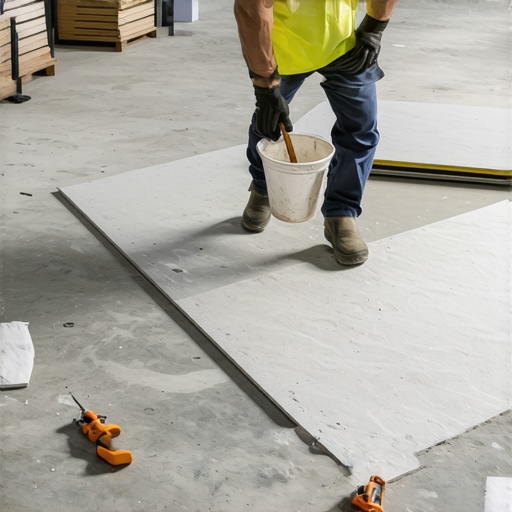
I spent three days grinding concrete on a job last month just so the floor wouldn’t click like a castanet. Most guys skip the leveling compound because they think the underlayment will hide the dip, but it never does. On that same job, I pulled up a piece of trim near the shower and found the real horror. The shower curb was leaking from the inside out, turning the subfloor into a black, mushy soup of mold and wood rot. This happened because the previous installer treated the curb like a piece of decorative wood instead of a critical structural barrier. If you want to stop your bathroom floor from rotting, you have to understand the physics of water migration and the chemistry of waterproofing membranes. Your subfloor is the foundation of your home, and water is its greatest enemy.
The structural anatomy of a failing shower curb
To stop a shower curb from rotting your bathroom floor, you must install a continuous, 100 percent waterproof membrane that wraps from the shower pan over the top and down the face of the curb. This creates a monolithic barrier that prevents capillary action from pulling water into the wooden framing members or the surrounding subfloor. Most failures occur at the corners where the curb meets the wall or the floor. These points require pre-formed waterproofing corners and high-performance modified thin-set to ensure a permanent seal. If you rely on just a wood 2×4 and some tile, the wood will eventually expand, crack the grout, and invite moisture to settle into the joists below.
Why your subfloor is lying to you
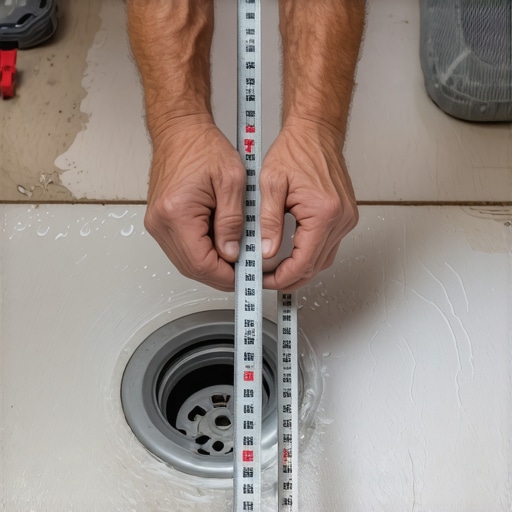
Subfloors often appear dry on the surface while holding dangerous levels of moisture in the core of the plywood or within the pores of the concrete. A moisture meter is the only way to verify if your floor is ready for an install, especially near wet areas like showers. Many homeowners assume that because they have floor leveling compound down, they are safe from rot. In reality, if the curb leaks, that water will travel under the leveling compound and sit against the subfloor. This creates a dark, airless environment where mold thrives. I have seen laminate floors buckle six feet away from a shower simply because a curb was not properly flashed. Water travels along the path of least resistance, which is usually the gap between your finish floor and the subfloor. You must ensure the subfloor is flat within 1/8 inch over a 10-foot radius before any material goes down. This prevents the mechanical stress that leads to grout failure and water intrusion.
“A floor is only as good as the subfloor beneath it; deflection is the enemy of every joint.” – Master Flooring Axiom
The chemistry of the moisture barrier
The chemical bond between your waterproofing membrane and the subfloor depends on the type of thin-set used and the porosity of the surface. Using an ANSI A118.4 or A118.15 modified thin-set provides the polymer strength needed to resist the constant expansion and contraction of the shower area. When you build a curb, avoid using three stacked 2x4s. Wood moves too much. Use a solid piece of marble, a pre-formed foam curb, or build it out of bricks and mortar. These materials do not have the same hygroscopic properties as wood, meaning they won’t swell when the humidity in the room rises. In a high-humidity environment like Houston, the vapor drive can push moisture through a concrete slab. In a dry climate like Phoenix, the wood can shrink and pull away from the waterproofing. You need a material that stays stable regardless of the local weather patterns.
| Material Type | Moisture Resistance | Structural Stability | Janka Hardness |
|---|---|---|---|
| Porcelain Tile | Extreme | Very High | 7.0 Mohs |
| Laminate Floor | Moderate | Low | N/A |
| Solid White Oak | Low | Medium | 1360 lbf |
| Engineered Wood | Medium | High | 1250 lbf |
The ghost in the expansion gap
An expansion gap is not an optional suggestion, it is a technical requirement for every floor install including tile and laminate near a shower. You must leave at least 1/4 inch of space between the floor material and the shower curb to allow for structural movement. People try to butt the floor tight against the curb for a clean look, but this is a mistake. When the house settles or the humidity changes, the floor has nowhere to go. It pushes against the curb, cracks the silicone seal, and opens a direct highway for water to reach the subfloor. This gap should be filled with 100 percent silicone caulk, never grout. Silicone is flexible and creates a secondary waterproof seal. Without this gap, your LVP or laminate will eventually peak at the seams and allow water to seep through the locking mechanism.
“The National Wood Flooring Association requires a minimum of 6 percent moisture content in most climates to ensure structural integrity.” – NWFA Standard
Floor leveling mistakes that rot joists
Incorrectly applied floor leveling compound can trap moisture against the wood, leading to hidden rot that is only discovered when the floor begins to sag. You must prime the subfloor with a specialized latex primer to ensure the leveler bonds correctly and doesn’t pull moisture out of the wet mix. If you skip the primer, the leveler will be brittle and eventually crack under the weight of foot traffic. These cracks allow water from a leaky shower curb to penetrate deep into the substrate. I always tell people that a carpet install is forgiving of a bad subfloor, but tile and laminate are not. If your floor is not level, the locking mechanisms on your laminate will snap. Once those joints open up, any water on the surface goes straight to the subfloor. It is a chain reaction of failure that starts with a single dip in the concrete or wood.
Essential Waterproofing Checklist
- Verify subfloor moisture content is below 12 percent for wood.
- Apply a liquid or sheet membrane over the entire curb surface.
- Use pre-formed inside and outside corners for the curb transition.
- Install a 1/4 inch expansion gap at all vertical obstructions.
- Seal transitions with 100 percent silicone caulk.
- Ensure the shower curb slopes slightly inward toward the drain.
Molecular zooming into adhesive performance
The molecular structure of modern adhesives is what keeps your floor from moving. When we talk about polymer-modified thin-set, we are talking about long-chain molecules that weave into the pores of the substrate. This creates a mechanical and chemical bond that is nearly impossible to break. When water gets into this bond, it can cause hydrolysis, which is the chemical breakdown of the adhesive. This is why the curb must be a fortress. If the adhesive under your tile stays wet because of a slow leak in the curb, it will eventually revert to a paste. You will notice this when the grout starts to turn white or powdery. This is called efflorescence, and it is a sign that water is moving through your floor system and bringing minerals to the surface. It is the first warning sign that your subfloor is in danger of rotting. Stop the water at the curb, and you stop the rot at the source.