How to Remove Pet Urine Odors from Deep Inside the Carpet Pad
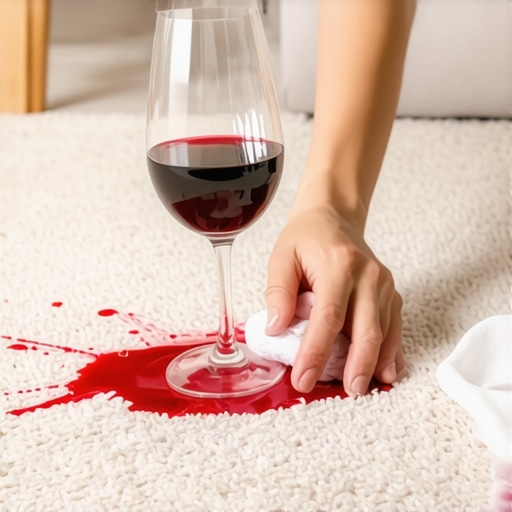
You can scrub the surface of a carpet until your knuckles bleed but the smell will remain if you do not understand the fluid dynamics of a pet accident. I am a master floor installer with over two decades of experience and I have seen thousands of dollars in high end broadloom destroyed because a homeowner thought a spray bottle could solve a subfloor problem. I once walked into a house where a beautiful plush installation was being ripped out because the owners thought the floor was defective. It was not. They had locked moisture under the padding by over saturating the area with water and the ammonia was literally etching the concrete subfloor beneath. Most homeowners ask why their waterproof floors fail. Usually it is because they ignore the subfloor chemistry. Carpet is a filter and the pad is a sponge. When a pet relieves itself the liquid moves through the primary and secondary backings of the carpet via gravitational pull. It then hits the polyurethane foam pad. This is where the real nightmare begins. The pad acts as a reservoir for uric acid crystals. These crystals are not water soluble. They are the structural reason why a carpet smells fine on a cold day but reeks as soon as the humidity hits seventy percent. To fix this you must address the molecular bond between the urine salts and the floor structure. This is a structural engineering challenge that requires specific chemical intervention and mechanical extraction.
The physics of urine migration through fiber and foam
Pet urine odors stay trapped because liquid travels vertically through carpet fibers and spreads horizontally once it hits the absorbent carpet pad and subfloor. This creates a mushroom shape of contamination where the visible surface stain is only a fraction of the actual damage. The nitrogen cycle begins immediately as bacteria consume the urea. This process releases ammonia gas. When the liquid evaporates the uric acid remains in a crystalline form. These crystals are hygroscopic. They actively pull moisture from the air to stay active. This is why the smell fluctuates with the weather. If you have a plywood subfloor the liquid will seep into the grain and cause delamination. If you have a concrete slab the salts will penetrate the pores and stay there for years. This is not a surface issue. It is a subfloor integrity issue. If you are planning a new carpet install you must ensure the subfloor is sealed with an odor blocking primer. Without this the new pad will simply pull the old odors back up through osmosis. Proper floor leveling is also required because any low spots in the slab will act as a collection point for liquids which leads to concentrated odor zones that no vacuum can reach.
“A floor is only as good as the subfloor beneath it; deflection and contamination are the enemies of every joint and fiber.” – Master Flooring Axiom
The chemistry of enzymatic breakdown versus masking agents
Enzymatic cleaners are mandatory for removing pet odors because they are the only agents capable of breaking the chemical bonds of uric acid crystals. Most store bought cleaners use fragrances to mask the smell or surfactants to lift surface oils. These do nothing to the salts in the pad. You need a protease enzyme to break down the proteins and a lipase enzyme to break down the fats found in urine. When you apply an enzyme you are initiating a biological reaction. You must keep the area wet long enough for the enzymes to eat the organic material. This often requires a subsurface extraction tool. This tool hooks up to a wet vacuum and pulls liquid directly from the pad without needing to rip up the carpet. If you skip this the enzymes will just sit on the top of the fiber while the crystals remain untouched in the foam below. Think of it like a shower for your subfloor. You are flushing the material. Most guys skip the leveling compound and the deep cleaning steps because they take time. I spent three days on a job last month just treating a concrete slab before we could even think about laying down a tack strip. If the slab is not neutral the carpet will fail.
| Material Type | Absorbency Rate | Retention Risk | Solution Method |
|---|---|---|---|
| Open Cell Foam Pad | Extreme | Critical | Mechanical Extraction |
| Bonded Urethane Pad | High | High | Enzymatic Saturation |
| Synthetic Fiber | Moderate | Low | Steam Cleaning |
| Concrete Subfloor | Porous | Permanent | Vapor Barrier Sealing |
| Plywood Subfloor | Absorbent | Structural | Replacement or Encapsulation |
The structural failure of the tackless strip and transition zones
Tackless strips are made of plywood and will rot when exposed to repeated pet urine saturation which leads to structural failure at the room perimeter. The wood strip absorbs the liquid and the metal nails begin to oxidize. This creates a dark stain that can bleed back into the carpet. If you find that your carpet is loose or rippling near the baseboards after a pet accident it is likely because the tack strip has lost its integrity. You cannot clean a rotted tack strip. It must be pulled and replaced. When I do a carpet install I always check the perimeter for salt residue. If the subfloor is uneven you will see liquid pooling in the gaps between the strip and the wall. This is why floor leveling is part of the odor removal process. You must ensure the surface is flat so liquids do not congregate in hidden pockets. Many people consider switching to laminate or LVP after a pet disaster but even those floors require a perfectly level subfloor. If you put laminate over a contaminated slab the smell will just vent out through the expansion gaps. There is no shortcut to a clean floor.
- Identify the contamination zone using a high intensity ultraviolet light to see dried salts.
- Saturate the area with a bio-enzymatic solution and allow a dwell time of at least sixty minutes.
- Use a sub-surface extraction tool to pull the liquid from the pad through the carpet.
- Rinse the area with a neutral pH fiber rinse to prevent browning or residue buildup.
- Deploy a high velocity air mover to dry the pad within twelve hours to prevent mold growth.
- Seal the subfloor with a shellac based primer if the odor persists after cleaning.
The ghost in the expansion gap
Expansion gaps at the edge of a room act as a chimney for subfloor odors and must be properly managed during any flooring renovation. When a pet urinates near the wall the liquid runs under the baseboard and into the gap between the subfloor and the drywall. This area is a dark and stagnant environment where bacteria thrive. Even if you clean the carpet the smell stays in the wall cavity. Professional installers know that the transition from a carpeted room to a tile shower or a laminate hallway is a high risk zone. If the floor is not level the liquid will track along the transitions. I have seen laminate floors buckle because urine got into the click lock system and caused the core to swell. It is a mess. You have to treat the flooring as a system. The carpet, the pad, and the subfloor are all parts of one structural unit. If one is contaminated they are all compromised. Use a moisture meter to check the slab before you install anything new. If the moisture is too high the odors will never leave. Keep the humidity in your home below fifty percent to keep the salts dormant. That is the only way to win the war against the odor.
“Molecular cleanliness is the prerequisite for any high performance surface installation.” – Flooring Industry Standard