Why You Should Stop Mopping Your Hardwood Every Week
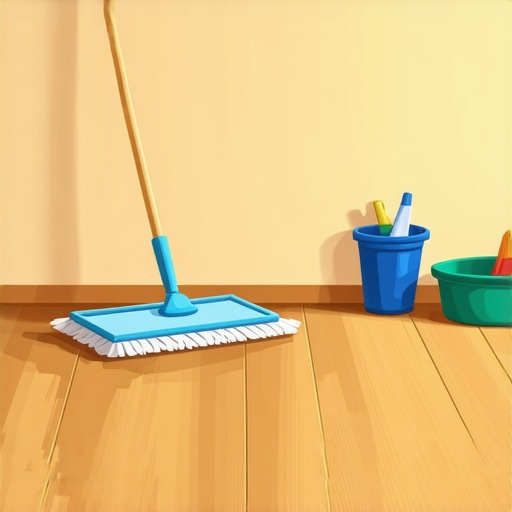
I once walked into a house where a $15,000 wide-plank walnut floor was cupping so bad it looked like a potato chip because the installer didn’t check the crawlspace humidity before the install. But the owner made it worse. She thought the solution to the dust and the dullness was a wet mop and a bucket of scented cleaner. Every Tuesday, she flooded those planks with moisture. She was essentially feeding the beast that was already destroying her home from below. I spent twenty minutes kneeling on her floor with a Delmhorst moisture meter watching the needle jump into the red zone. That floor was literally drowning from the top down and the bottom up. Wood is a biological material, not a plastic surface. It breathes, it moves, and it reacts to the molecular structure of water with violent expansion. If you treat your hardwood like a tile shower or a laminate floor, you are effectively signing its death warrant. You are rotting the very cellulose fibers that give the wood its structural integrity. Stop it. Now.
The slow death of the cellulose bond
Hardwood floors are comprised of complex organic polymers like lignin and cellulose which react aggressively to liquid moisture exposure. When you apply a wet mop to a wood surface, the water molecules do not just sit on top of the finish. They hunt for the micro-abrasions in the polyurethane or the gaps in the tongue and groove joints. Once water penetrates the grain, it causes the cellular walls of the wood to swell. This leads to a physical phenomenon known as cupping where the edges of the plank rise higher than the center. This is not a cosmetic issue. It is a structural failure of the floor system. Most homeowners think the finish is a waterproof shield. It is not. Polyurethane is a breathable membrane that can be easily compromised by the high pH levels found in many common floor cleaners. Over time, the repeated cycle of wetting and drying breaks down the bond between the wood and the finish, leading to peeling and a gray, weathered appearance that no amount of wax can fix. You are literally washing away the value of your home one bucket at a time. The moisture content of your flooring should remain within a narrow range, typically between 6 percent and 10 percent depending on your local climate. Every time you mop, you send that percentage skyrocketing, forcing the wood to expand against the fasteners. Eventually, the nails lose their grip and the floor begins to squeak like a haunted house.
“A floor is only as good as the subfloor beneath it; deflection is the enemy of every joint.” – Master Flooring Axiom
The physics of the micro-bevel
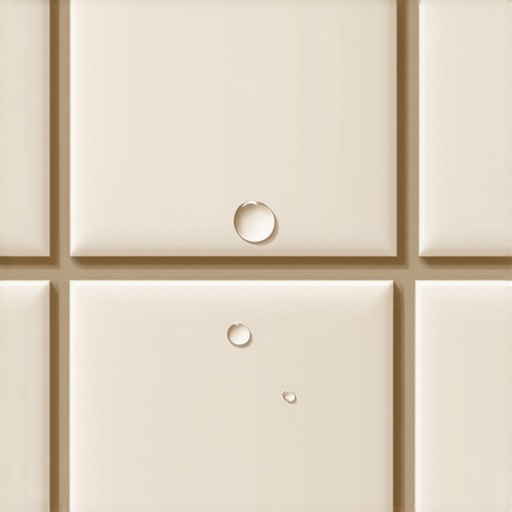
The edges of modern prefinished hardwood planks feature a small 45 degree angle known as a micro-bevel which acts as a collection point for liquid. When you drag a damp mop across these planks, the surface tension of the water causes it to pool inside these tiny V-shaped grooves. While the flat surface of the plank might look dry within minutes, the moisture inside the bevel remains trapped for hours. This is where the real damage happens. This standing water seeps into the unfinished sides of the plank, bypasses the protective topcoat, and enters the core of the wood. This leads to edge swelling, which creates a permanent ridge at every seam. You can feel this with your feet before you see it with your eyes. If you are dealing with a carpet install nearby, you might even notice the transition strips starting to lift because the hardwood is pushing against them. Floor leveling is also impacted by this moisture drive. If your subfloor was leveled with a gypsum-based product, excessive mopping can cause moisture to migrate down through the wood and soften the leveling compound, leading to a crunchy sound when you walk. This is a nightmare to repair and usually requires a full tear-out. You are not just cleaning a floor, you are managing a structural engineering project every time you pick up a cleaning tool.
The thermal shock of the steam mop
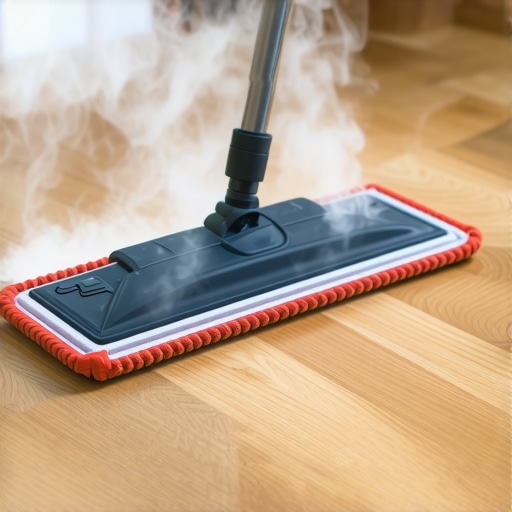
Steam mops are the single most destructive tool ever marketed to homeowners with hardwood floors because they combine heat with pressurized moisture. The high temperature of the steam opens the pores of the wood grain and forces water vapor deep into the material. This is essentially a localized kiln-drying process in reverse. The heat can also liquefy the adhesives used in engineered flooring or soften the finish on solid oak. I have seen hundreds of floors where the finish turned cloudy or milky because a steam mop was used. That cloudiness is moisture trapped underneath the polyurethane. Once it is there, it is nearly impossible to remove without a full sand and finish. People love the idea of sanitizing their floors, but wood is naturally antimicrobial to an extent. You do not need to blast it with 212 degree vapor. If you have a laminate floor in an adjacent room, the steam is even more dangerous as it will cause the MDF core to blow up like a sponge at the seams. I tell my clients that if they own a steam mop, they should only use it on their tile showers and keep it far away from any wood surface. The risk of delamination is simply too high for the perceived benefit of a sanitized surface.
| Floor Type | Janka Hardness | Acclimation Time | Moisture Tolerance |
|---|---|---|---|
| Solid White Oak | 1360 | 7 to 14 Days | Very Low |
| Engineered Walnut | 1010 | 3 to 5 Days | Moderate |
| Brazilian Cherry | 2350 | 10 to 14 Days | Low |
| Hickory | 1820 | 7 to 14 Days | Very Low |
The 1/8 inch that ruins everything
Expansion gaps at the perimeter of a room are the lungs of a hardwood floor and moisture from mopping can cause them to fail. Every professional installer leaves a gap, usually about the thickness of a baseboard, between the wood and the wall. This allows the floor to expand and contract with the seasons. When you mop too often, the wood expands so much that it closes this gap and hits the wall. Once the wood has nowhere else to go, it has to move upward. This results in crowning or buckling. A floor that buckles is under immense physical pressure. I have seen floors pop off the subfloor with such force that they actually lifted heavy furniture. This is why floor leveling is so critical during the initial install. A flat floor distributes tension evenly. A floor with dips and humps will buckle much faster when moisture is introduced. If you think your floor is waterproof because the box said so, you have been lied to. Even waterproof laminate or LVP has a breaking point where the locking mechanisms will snap if the subfloor is not perfectly flat and the moisture levels are not controlled. Moisture is the universal solvent, and given enough time, it will find a way to destroy any installation that ignores the physics of expansion.
“Wood flooring will perform best when the indoor environment is controlled to stay within a relative humidity range of 30 to 50 percent.” – NWFA Technical Guidelines
Maintenance metrics that actually work
The secret to a long-lasting floor is a dry maintenance routine that focuses on removing abrasive grit rather than applying liquids. Dirt and sand act like sandpaper under your feet. Every time you walk across a dirty floor, you are grinding away the protective finish. The best thing you can do is use a high-quality vacuum with a soft brush attachment designed for hard surfaces. Do not use a vacuum with a beater bar, as the stiff bristles will scratch the wood. Dust mopping with a microfiber pad is the second-best option. Microfiber uses static electricity to pick up dust without the need for water. If you must use a liquid cleaner, use a pH-neutral spray specifically formulated for wood and apply it to the cloth, not the floor. This prevents the liquid from pooling in the joints. You should only be doing this spot cleaning or light damp mopping once a month or when a spill occurs. For the rest of the year, keep the water in the tap and out of your bucket.
- Use felt pads on all furniture legs to prevent deep structural scratches.
- Maintain a consistent indoor temperature and humidity level year-round.
- Place high-quality walk-off mats at every entrance to catch grit before it hits the wood.
- Trimming pet nails is a structural maintenance task for your flooring.
- Avoid wearing high heels or heavy work boots on the floor surface.