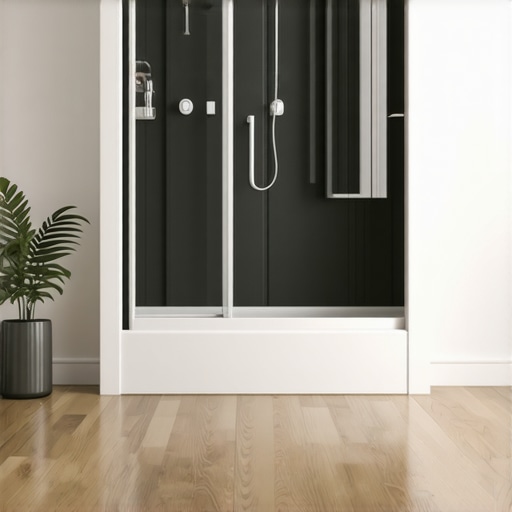
Ever stood in my bathroom, staring at the peeling paint and outdated tiles, feeling a bit overwhelmed about where to even start? I’ve been there. That moment when you realize your home is screaming for a facelift but the thought of a full renovation feels daunting. I remember thinking, “Can I really pull this off without turning my entire house upside down?” It’s a common feeling, and honestly, I spent way too much time second-guessing every decision. But then I discovered a few game-changing strategies that made the process not only manageable but actually enjoyable.
Why Modern Home Upgrades Matter More Than Ever
Home improvements, especially with top laminate flooring and showers, aren’t just about aesthetics. They’re about improving daily comfort, increasing property value, and creating a space that truly feels like home. Plus, with new materials and techniques, upgrading isn’t the nightmare it once was. Did you know that according to a recent survey, homes with modern upgrades see a 15-20% increase in value? That’s big! But jumping into renovations without proper planning can backfire. I learned this early on when I rushed into a laminate flooring project without leveling the subfloor properly. The result? Gaps, squeaks, and a headache that lasted weeks. That mistake taught me a vital lesson — preparation is everything.
Is Everything About to Turn Into a Costly Mistake?
One of the biggest fears I hear from homeowners is that they’ll spend money on upgrades that don’t last or look worse after a few years. I get it. I almost made that mistake myself. Early in my renovation journey, I ignored expert advice and skipped essential steps like proper floor leveling and waterproofing. Trust me, those small shortcuts cost me more time and money in the long run. If you’re worried about making costly errors, I recommend consulting trusted sources like trusted experts who share proven strategies for durable, stylish upgrades. Learning from others’ mistakes can save you a lot of frustration and ensure your project stands the test of time.
Are you facing the challenge of choosing the right materials or worried about making your renovation last? If so, you’re not alone. Let’s explore how to avoid common pitfalls and achieve that sleek, modern look you’ve been dreaming of. The key is in the details — proper installation, quality materials, and a bit of expert guidance. Ready to dive into the practical steps that will transform your home? Stay tuned, because I’m about to share what I learned through my own experience — and what I wish I knew from the start.
,
Prepare Your Space Before You Start
Clear the area completely to prevent any accidents or damage. Remove furniture, fixtures, and appliances that could obstruct your work. For example, when I renovated my bathroom, I emptied the entire space, which made the process smoother and safer. Use drop cloths and painter’s tape to protect surfaces you want to keep clean, especially if you’re working in a high-traffic or delicate area.
Level the Floor for Perfect Results
Uneven floors cause problems like gaps, squeaks, and uneven wear. I made the mistake early on of skipping floor leveling, which led to a bumpy laminate installation. To avoid this, use a self-leveling compound or a floor patching kit. Follow the product instructions carefully, and test the level with a straightedge. For expert advice, check this guide on floor leveling strategies for flawless results. A level floor is the foundation of durability and aesthetics.
Choose Quality Materials for Longevity
Invest in high-quality laminate flooring and waterproof shower components. I went with a water-resistant laminate that mimics real wood, which added warmth and style to my bathroom. For showers, opt for durable waterproofing membranes and high-quality tiles or panels. Remember, cheaper materials may save money upfront but often lead to costly repairs later. Read this expert tip on selecting the best laminate for long-lasting results.
Master Proper Installation Techniques
Precise installation ensures your upgrades last. When installing laminate flooring, leave expansion gaps around the perimeter to accommodate expansion and contraction. Use tapping blocks and spacers to fit planks snugly without damaging edges. For showers, follow a strict waterproofing sequence: seal all joints, apply waterproof membrane, and ensure proper drainage. I learned the importance of this after a small leak caused mold behind my tiles. For detailed guidance, see this tutorial.
Seal and Finish for Lasting Beauty
Proper sealing prevents water damage and wear. Use silicone or acrylic caulk around edges and joints—especially at transitions between flooring and walls. Regular maintenance prolongs the lifespan of your upgrades. When I sealed my bathroom, I made sure to apply multiple coats on seams and corners, which prevented water seepage and kept my bathroom looking fresh longer. For expert sealing techniques, explore this resource.
Final Inspection and Touch-Ups
After installation, inspect every detail. Check for gaps, loose tiles, or uneven planks. Use a level to verify the surface. I found a few loose tiles that I re-secured with proper adhesive, ensuring stability. Clean the area thoroughly and replace any fixtures or furniture carefully. This step guarantees your project looks professional and functions perfectly for years to come.
While many homeowners focus on choosing the right materials and perfect installation, there’s a hidden nuance that often trips people up—underestimating the importance of precise subfloor preparation and understanding the nuances of material compatibility. Let’s dig deeper into what most get wrong about home upgrades, especially when it comes to laminate flooring and shower upgrades.
Myth: All Flooring Substrates Are Equal
A widespread misconception is that any subfloor will do as long as it’s level. In reality, different materials like concrete, plywood, or existing vinyl require specific preparation techniques. For instance, concrete may need moisture barriers, while plywood might demand extra reinforcement. Overlooking these details can lead to issues like warping, squeaking, or even mold growth, which are costly to fix later. Experts recommend consulting detailed guides like this resource on floor leveling to ensure compatibility and longevity of your installation.
Why Material Compatibility Matters More Than You Think
Many homeowners assume that any waterproofing membrane or tile can be used interchangeably. But, specific materials have unique requirements for adhesion, expansion, and flexibility. For example, using a low-quality waterproof membrane in a high-moisture bathroom can result in leaks and mold. The key is to match materials to your environment and purpose—something that expert guidance can help you navigate. Skipping this step often leads to premature failures, negating your investment. To get it right, check this expert advice on selecting suitable waterproofing solutions for bathrooms.
What’s the Advanced Trick to Ensuring Long-Term Durability?
One often overlooked detail is the importance of comprehensive testing and quality control during installation. For instance, using a moisture meter before laying laminate flooring can prevent future warping. Additionally, understanding the nuances of expansion gaps—how much space to leave based on climate and material—can save you from costly repairs. According to a study by the National Association of Home Builders, proper joint spacing and sealing can extend the lifespan of your upgrades by up to 30%. Don’t just follow the instructions blindly; educate yourself on these subtle yet crucial details. Want to master this? Explore this comprehensive guide for advanced tips on durable laminate installation.
Have you ever fallen into this trap? Let me know in the comments. Remember, the devil is in the details, and paying attention now pays off in the long run. Happy renovating!
Keep Your Home Upgrades Running Smoothly
Once you’ve completed your renovation, the next crucial step is maintenance. Regular upkeep not only preserves the aesthetic appeal but also extends the lifespan of your upgrades like laminate flooring and modern showers. To achieve this, investing in the right tools and adopting effective methods is essential. I personally rely on a few trusted equipment and techniques that have proven invaluable in my ongoing home maintenance routine.
My Go-To Maintenance Tools
First, a high-quality steam cleaner has become my best friend for deep cleaning laminate floors. Unlike traditional mops, steam cleaners can remove stubborn dirt without harsh chemicals, which is gentle on the material and preserves its durability. I recommend models like the Bissell SteamShot for their portability and efficiency. For shower maintenance, a silicone cleaning tool helps keep caulking sealed and prevents mold buildup. Regularly inspecting and reapplying sealants with this tool saves money and avoids leaks down the line.
Additionally, a moisture meter is an underrated but vital device. Before laying down new laminate or tiles, I always test the subfloor’s moisture levels. Excess moisture can cause warping or mold growth, which compromises your work’s longevity. I personally use the General Tools MMD4E Digital Moisture Meter because of its accuracy and ease of use. Keeping these tools handy ensures I catch problems early and maintain my home’s upgrades effectively.
How do I maintain my upgrades over time?
Consistent checks are key. Set a routine to inspect sealed joints, caulking, and waterproofing elements, especially in bathrooms and kitchens. Re-sealing as needed prevents water damage and maintains the appearance. For flooring, avoid dragging heavy furniture; instead, lift and reposition to prevent scratches or dents. Cleaning with the right products, like pH-neutral cleaners for laminate, also prolongs beauty and function.
Looking ahead, I believe smart home technology will increasingly play a role in maintenance. Sensors that monitor moisture or structural integrity could alert homeowners before issues become costly. But until then, the best approach remains a proactive, tool-supported routine that catches problems early.
Try This Advanced Tip Today
One advanced tip I highly recommend is using a leveling compound for any minor unevenness that develops over time. If your laminate starts to squeak or gaps appear, a quick application of self-leveling compound can restore a smooth surface without replacing entire sections. This simple step can save hundreds of dollars and significantly extend the life of your flooring. For detailed guidance, check this resource. Don’t wait for small issues to snowball—tackle them early with the right tools and techniques!
The Hardest Lesson I Learned About Home Upgrades
One of my biggest realizations was that skipping detailed subfloor preparation can turn a simple laminate install into a long-term nightmare. I once thought a quick level was enough, but I learned that moisture barriers and precise measurements are essential for durability. That mistake taught me to always consult expert guides like this comprehensive resource before starting any flooring project.
3 Myths About Bathroom Waterproofing That Held Me Back
I believed waterproof membranes were one-size-fits-all. Turns out, using the wrong type or skimping on quality can lead to leaks and mold. The truth is, matching waterproofing materials to your environment and following expert advice, such as this trusted guide, saves money and headaches in the long run.
What Experts Won’t Tell You About Floor Leveling
During my renovation, I discovered that moisture testing with a good meter and leaving proper expansion gaps can extend your floor’s lifespan by years. I used a tool like the this moisture meter, which caught potential issues early. The subtle details—like joint spacing and sealing—are what make or break a long-lasting upgrade.
http://Emily%20Carter
I really resonate with the point about proper subfloor preparation. When I renovated my bathroom last year, I initially underestimated how crucial leveling and moisture barriers are. I learned the hard way that skipping these steps can lead to issues like warping and mold down the line. Since then, I always test moisture levels with a good meter and leave generous expansion gaps. It’s interesting how such small details can significantly extend the lifespan of your upgrades. I’d love to know—has anyone found an easy but effective way to ensure perfect leveling without professional tools? I’ve found that a combination of self-leveling compounds and patience often does the trick, but I’m curious if there are any other hacks you’ve all used successfully.
http://Benjamin%20Rogers
This post hits home! I recently undertook a bathroom upgrade myself, focusing on good subfloor preparation and choosing quality materials. I agree that the devil is in the details—skipping steps like moisture testing or not leaving proper expansion gaps can really compromise the longevity of your renovations. One thing I learned the hard way was how crucial waterproofing is in high-moisture areas. I opted for a high-quality membrane that required careful application, but it paid off. I was also pleasantly surprised at how much proactive maintenance, like re-sealing grout lines annually, extends the lifespan of the upgrade.
Has anyone experimented with smart tech sensors to monitor moisture levels over time? I’ve read about moisture sensors that alert you before serious issues develop, which seems like a game-changer for ongoing home maintenance. Would love to hear others’ experiences or suggestions on integrating technology into regular home upkeep—any tips for beginners? Learning from mistakes and sharing ideas indeed makes renovation projects more manageable and successful.
http://Derek%20Matthews
Reading through this post really highlighted how crucial thorough preparation is before jumping into a renovation project. I completely agree that skipping steps like proper floor leveling or waterproofing can cause long-term issues that end up costing much more to fix down the line. In my experience, one underappreciated aspect is the importance of patience and meticulousness during installation. For example, I once rushed to install laminate without checking the subfloor with a moisture meter, and it led to warping within a year. Since then, I’ve adopted a routine of testing moisture levels and carefully leaving expansion gaps, which has made a noticeable difference.
It made me wonder, has anyone experimented with using digital tools or apps to track these parameters over time? I think integrating some smart home tech could be a game-changer for proactive maintenance, especially in climates with high humidity or temperature fluctuations. What’s been your experience with tech solutions for home upgrades? Do they really help catch potential problems early, or are they more of a luxury? I’d love to hear other ideas on how to keep these upgrades in top shape without constantly overhauling everything.
http://Lena%20Morgan
I’ve found that visual guides and online tutorials can be incredibly helpful for DIY subfloor leveling, especially if you want to avoid professional tools. Paying attention to the comments about moisture testing and expansion gaps really hits home for me. One tip I’ve used successfully is to do a preliminary check with a simple moisture meter and then apply a self-leveling compound in layers if needed. It takes some patience, but it’s really rewarding to see the smooth surface after. I’m curious, has anyone tried using infrared thermometers or laser levels? They seem like promising tools to ensure perfect leveling and temperature consistency, reducing human error further. Managing the nuances of material compatibility—say, when switching between different types of waterproof membranes—can be tricky, but I’ve learned that sticking to reputable brands and following manufacturer instructions makes a huge difference. Do you all have favorite brands or specific techniques that work well for you in these detailed steps? Would love to hear more practical tips and personal hacks!