Why Your Shower Grout is Turning Pink and How to Stop It
I have spent three decades looking at what happens when water meets a poorly prepared surface. It is never pretty. People think a shower is just tile and a pretty fixture. They are wrong. A shower is a hydraulic system designed to manage moisture before it destroys your framing. I smell like WD-40 and oak dust most days. My knees tell the story of every floor leveling job I ever finished. When a homeowner calls me about pink stains in their shower, they expect a cleaning tip. I give them a lecture on microbiology and structural integrity. The pink stuff is not just an eyesore. It is a biological alert that your wet room environment is failing its primary mission of moisture management.
The pink ghost in the grout lines
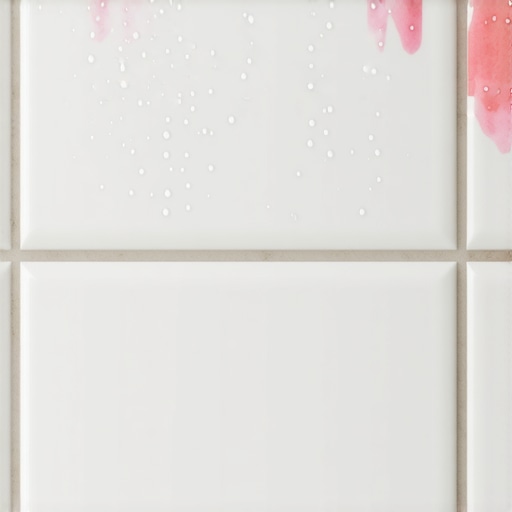
The pink film in your shower is actually Serratia marcescens, a gram-negative bacteria that thrives on fatty substances like soap scum and shampoo residue. This organism produces a red pigment called prodigiosin under specific environmental conditions, typically when moisture is allowed to sit on a porous surface. Unlike mold, which is a fungus, this bacteria is an opportunistic pathogen. It loves the phosphorus found in your body oils and the minerals in your water. If you see pink, you have a biofilm problem that has moved past the surface and into the crystalline structure of your grout.
I once walked into a house where a $15,000 wide-plank walnut floor was cupping so bad it looked like a potato chip because the installer didn’t check the crawlspace humidity. That same homeowner had a shower that was turning bright neon pink. They thought it was the water. It was not. It was the fact that the floor leveling in the bathroom was so off that the shower pan did not drain. Water sat in the corners for days. That standing water is the breeding ground. I spent three days grinding concrete on a job last month just so the floor wouldn’t click like a castanet. Most guys skip the leveling compound. They think the underlayment will hide the dip. It won’t. The same logic applies to your shower. If the slope is wrong, the grout stays wet. If the grout stays wet, the bacteria moves in.
The physics of porous cementitious materials
Standard grout is essentially a thin version of concrete. It is full of microscopic voids. When you zoom into a grout joint under a microscope, it looks like a sponge. These capillaries pull water deep into the installation. If the installer used a cheap, builder-grade sanded grout, those pores are massive. The bacteria enters these voids and establishes a colony. You can scrub the surface until your arm falls off, but the root of the colony is protected by the cement structure itself. This is why the pink color returns three days after you bleach it. You are only killing the surface layers.
“A floor is only as good as the subfloor beneath it; deflection is the enemy of every joint.” – Master Flooring Axiom
In a professional shower install, we look at the water absorption rate of every component. If you are comparing a carpet install to a shower build, the carpet is easy. You throw down a pad and stretch. In a shower, you are building a waterproof vessel. If the grout is not sealed or if the seal has been stripped by harsh chemicals, the bacteria wins. I have seen guys try to install laminate in bathrooms right up to the shower curb. It is a disaster. The moisture from the pink grout zones migrates. It wicks into the core of the laminate. The edges swell. The whole thing fails because someone didn’t understand the chemistry of the wet zone.
The 1/8 inch that ruins everything
Drainage efficiency is determined by the pitch of the floor leveling within the shower pan, which must be exactly one quarter inch per foot. If the installer is lazy and leaves a flat spot, water pools. Even a 1/8 inch dip is enough to keep the grout saturated. This saturation prevents the grout from ever fully drying out between uses. The Serratia marcescens bacteria needs that constant moisture to produce its red pigment. Without it, the bacteria goes dormant. You are not just fighting a stain. You are fighting gravity and geometry.
| Grout Type | Porosity Level | Chemical Resistance | Best Use Case |
|---|---|---|---|
| Cementitious Sanded | High | Low | Large joints in dry areas |
| Cementitious Unsanded | High | Low | Thin joints on walls |
| Epoxy Grout | Near Zero | High | Showers and heavy traffic |
Epoxy grout is the only real solution for people who hate the pink ghost. It is a two-part chemical reaction that creates a plastic-like surface. It has zero pores. The bacteria cannot get a foothold. It is harder to install. It is sticky. It requires a master touch. But it never turns pink. I tell my clients that if they want a maintenance-free life, they need to invest in the chemistry of epoxy. Most people choose the cheap stuff. Then they call me six months later when the pink starts to creep up the walls.
Why your cleaning routine is backfiring
Using harsh acidic cleaners or pure bleach on grout actually increases the surface area for bacterial growth by etching the cement and opening more pores. You think you are cleaning. You are actually terraforming the grout for a larger invasion. Acids eat the calcium in the grout. This creates a rougher texture. More texture means more surface area for soap scum to stick to. More soap scum means more food for the Serratia. It is a feedback loop of filth. Stop using the heavy stuff. Use a pH-neutral cleaner and a soft brush. If you have already etched the grout, you need to deep clean it with an alkaline solution, let it dry for 48 hours, and then apply a high-quality fluorocarbon solvent sealer.
- Identify the stain as pink or orange-red to confirm bacteria vs mold.
- Check the shower pan slope using a level to find standing water zones.
- Scrub grout with a mixture of baking soda and hydrogen peroxide.
- Ensure the bathroom fan runs for at least thirty minutes after every shower.
- Apply a high-quality penetrating sealer every six months.
The humidity in a bathroom should never stay above sixty percent for long. If your fan is weak, the pink will stay. I have seen houses where the fan was just venting into the attic. That is a recipe for a structural nightmare. The moisture needs to leave the building. If you are doing a carpet install in a master bedroom, make sure there is a solid transition at the bathroom door. You do not want that bathroom humidity or the pink bacteria spores migrating into your carpet fibers. It is all connected. The house is an organism.
The structural reality of moisture barriers
The presence of pink bacteria often indicates that the moisture barrier behind the tile is keeping the wall assembly wet for too long. In the old days, we used mud beds and felt paper. Now we use liquid membranes or foam boards. If the installer didn’t use a continuous moisture barrier, the water stays in the cement board. This keeps the grout damp from the back side. This is the structural zooming I talk about. You see a stain. I see a failing vapor barrier. I see a subfloor that might be rotting underneath the tile. If the floor leveling wasn’t done with a waterproof compound, the whole substrate is acting like a wick.
“Cementitious grout is a filter, not a waterproof barrier; the waterproofing must happen at the substrate level.” – TCNA Handbook Logic
The final verdict on grout maintenance is simple. You cannot clean your way out of a structural moisture problem. If your shower was built right, with the correct slope and a high-quality grout, the pink bacteria would have nothing to eat and nowhere to hide. If you are stuck with a bad build, your only hope is a rigorous drying routine and a switch to better chemicals. Don’t blame the water. Blame the installer who thought a level was optional. My knees hurt just thinking about the number of showers I have had to rip out because of a 1/8 inch mistake. Take care of your grout. It is the only thing standing between your shower and the joists below.