How to get nail polish off a bedroom carpet
The chemical reality of your bedroom floor
Nail polish removal on carpet requires a deep understanding of the molecular bond between nitrocellulose and synthetic polymers like nylon or polyester. Most homeowners treat a spill like a surface smudge but a floor is a performance surface that absorbs liquid through capillary action. I spent three decades fixing floors that people thought were indestructible. Last month I walked into a penthouse where a client tried to clean a dime sized drop of red polish with a gallon of hardware store acetone. They did not just strip the color. They melted the nylon fibers right into the backing. Now they have a plastic scab in the middle of a five thousand dollar room. This is why you never attack a stain without knowing the physics of your specific floor. Whether you are dealing with a fresh carpet install or an older pile the rules of chemistry do not change for anyone. If you treat the floor with respect it will last. If you dump chemicals on it without a plan you are just accelerating a replacement job that you probably can not afford right now.
The 1/8 inch that ruins everything
The depth of the spill determines whether you are cleaning a carpet or performing a structural intervention on the subfloor. When polish hits the carpet it begins to travel. The primary backing of a modern carpet is often a woven polypropylene material. Beneath that is a layer of SBR latex adhesive which holds the tufts in place. If your solvent reaches that latex layer it will dissolve the bond. This is the secret reason why carpet starts to bubble or delaminate after a heavy cleaning. It is not the water. It is the chemical breakdown of the structural glue. I have seen guys skip the leveling compound on a floor leveling job and think the carpet hides the dip. But when a liquid spill happens that dip becomes a pool. The polish or the solvent sits in that low spot and eats the carpet from the bottom up. You need to understand that every drop of liquid is fighting gravity to reach your subfloor. If you have a wood subfloor the solvent can soak in and cause a permanent odor. If you have concrete the chemicals can react with the lime and create a white powdery residue called efflorescence that will eventually push the carpet up.
“A floor is only as good as the subfloor beneath it; deflection is the enemy of every joint.” – Master Flooring Axiom
The molecular zoom on fiber types
Identifying your carpet fiber is the first step in choosing a solvent that will not cause a catastrophic melting event. Most bedroom carpets today are either Nylon, Polyester, or Triexta. Nylon is the workhorse of the industry. It is a resilient polymer but it is also highly reactive to certain acids and strong oxidizers. Polyester is naturally stain resistant because it is essentially a plastic water bottle spun into yarn. However it has a high affinity for oil. Nail polish is a complex mixture of resins and solvents. If you have a wool carpet you are in a different league of trouble. Wool is a protein fiber. It is basically hair. Anything that has a high pH will dissolve wool fibers. You can not use the same aggressive solvents on a wool rug that you would use on a builder grade polyester. You have to check the tuft. Pull a tiny fiber from a closet corner and burn it with a lighter if you have to. If it smells like burning hair it is wool. If it melts into a hard black bead it is synthetic. This knowledge is what separates a master installer from a guy with a van and a dream. You do not guess with a clients flooring. You verify the chemistry before you apply the cure.
The acetone trap and solvent selection
While acetone is the most common ingredient in nail polish remover it is a dangerous solvent for many modern carpet backings. Most people think acetone is the ultimate cleaner. On some carpets it is a chemical weapon that dissolves the glue holding the carpet together. If you have an engineered floor or laminate nearby the overspray can melt the wear layer of the laminate instantly. I prefer using 70 percent Isopropyl alcohol or a non acetone polish remover for the first pass. These are less aggressive on the SBR latex backing. You have to understand the evaporation rate. Acetone evaporates fast which is good for the surface but it also chills the fiber which can cause moisture to condense from the air. This moisture can trap the pigment deeper in the yarn. Dry cleaning solvents are better but they are harder to find at a local shop. You want a solvent that will break the bond of the nitrocellulose without liquefying the polypropylene backing. It is a delicate balance of chemical pressure.
| Fiber Type | Recommended Solvent | Risk Level | Drying Time |
|---|---|---|---|
| Nylon 6,6 | Isopropyl Alcohol | Low | 20 Minutes |
| Polyester | Non-Acetone Remover | Medium | 35 Minutes |
| Wool Blend | Specialty Dry Solvent | High | 60 Minutes |
| Triexta | Alcohol or Vinegar | Low | 25 Minutes |
The physics of the blot
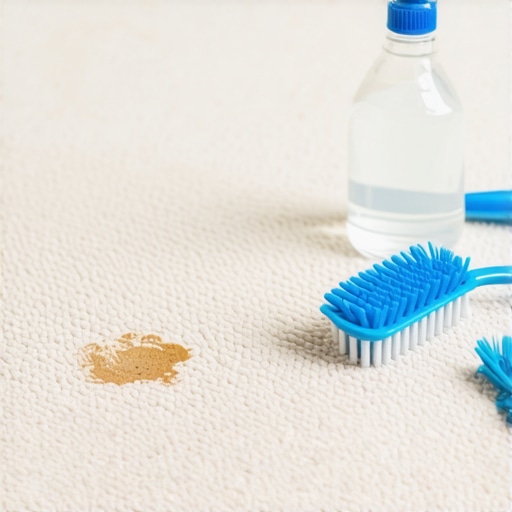
The mechanical action of removing a stain is more important than the chemical agent used because friction destroys the twist of the yarn. I see people scrubbing carpet like they are sanding a piece of oak. Carpet fibers are twisted and heat set to maintain their shape. When you scrub you untwist those fibers. This creates a permanent fuzzy spot that will look like a stain even when the color is gone. This is called fiber bloom. Once you bloom a fiber there is no fixing it. You have to blot. Blotting is the application of vertical pressure to transfer liquid from the carpet to a more absorbent medium like a white microfiber cloth. You start from the outside of the spill and work inward. If you start in the middle you are just pushing the pigment out into clean territory. You are basically an engineer managing a fluid dynamics problem. You want the polish to move vertically into your cloth not horizontally into the neighboring tufts. Use a heavy weight. I tell my guys to stand on the cloth. Use your body weight to force the solvent and the pigment up out of the pile.
The secret of the sacrificial scrap
Never apply a chemical to the center of your bedroom floor without testing it on a scrap or in the back of a closet. Every carpet mill uses different dye sites and chemical finishes. Some carpets have a fluorochemical treatment like Scotchgard. Solvents can strip this coating off and leave a permanent ring that attracts dirt. I always tell homeowners to keep the scraps from their carpet install. If you have a scrap you can perform a controlled experiment. Pour some polish on the scrap and see which solvent works best. This is the only way to be 100 percent sure you won’t ruin the room. If you do not have a scrap find the darkest corner of the closet. Apply the solvent and wait ten minutes. Press a white paper towel against it. If you see carpet dye on the towel you are stripping the color and you need to stop immediately. Most people are too impatient for this. They want the stain gone now. But impatience is how you end up needing a patch job. A patch in the middle of a bedroom is never invisible because the light hits it at an angle and shows the seams. Do the test and save the floor.
- Identify the fiber type using a burn test or manufacturer specs.
- Blot up any wet polish with a clean white cloth using vertical pressure only.
- Test your chosen solvent in a hidden area to check for colorfastness.
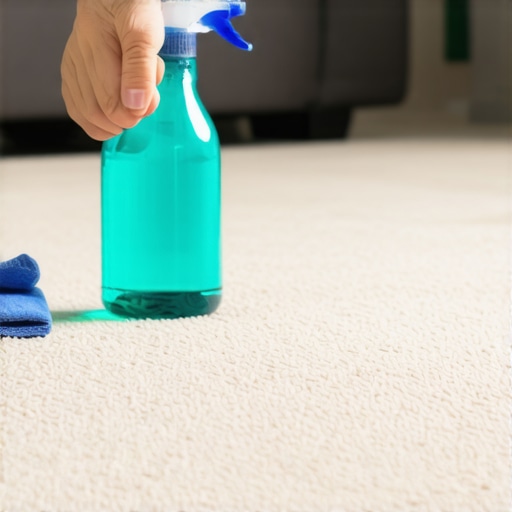
- Apply solvent to a cloth first never directly to the carpet pile.
- Work from the outside edge of the stain toward the center.
- Rinse the area with cool water to remove solvent residue after the stain is gone.
- Use a fan to dry the area quickly and prevent wicking from the backing.
The ghost in the expansion gap
Spills near the edge of a room can migrate under the baseboards and into the expansion gap required for the subfloor. This is where the real structural problems start. If you are cleaning a carpet near a transition to a bathroom or shower area you have to be careful about moisture. If your solvent or cleaning water gets into that gap it can cause the subfloor to swell. On a laminate floor this leads to peaked seams. On a hardwood floor it leads to cupping. Even if you are just working on a carpet stain you have to think about the whole assembly. Floors are integrated systems. If you have a floor leveling compound under your carpet it is often porous. It will drink up any liquid you pour on it. This is why I advocate for the minimal use of liquid. You want to use the least amount of solvent possible to get the job done. If you soak the floor you are just trading a red spot for a structural failure. I have seen subfloors rot out because a homeowner thought they could wash away a stain with a bucket of soapy water. It does not work that way. You are an architect of your home and the floor is your foundation.
“A carpet is a filter for your home; what you put into it must eventually come out or it will degrade the structure.” – Master Flooring Axiom
The final inspection
Once the color is gone the job is not finished until you have restored the pH balance of the fibers and ensured the backing is dry. Most solvents are slightly acidic or basic. Leaving them in the carpet will cause the fibers to become brittle over time. I use a very dilute solution of water and a drop of clear dish soap to rinse the area. Then I follow up with pure water. The final step is always the drying. I have a high velocity air mover in my truck but a regular house fan will work. You want that spot dry in under four hours. If it stays wet longer the pigment that was trapped in the backing can wick back up to the surface as the water evaporates. This is why a stain sometimes reappears the next day. It is called wicking. It is a sign that you did not get the backing clean. If that happens you have to start the process over but this time you need to be more aggressive with the blotting. Professional floor maintenance is about attention to detail and a refusal to cut corners. If you treat your bedroom carpet like a structural component of your home it will serve you for decades. If you treat it like a rag you will be calling me for a replacement quote sooner than you think. Keep your moisture meter handy and your solvents ready but always use your head first. The floor depends on it.