The ‘Paper Test’ for Finding Hidden Drafts Under Your Flooring
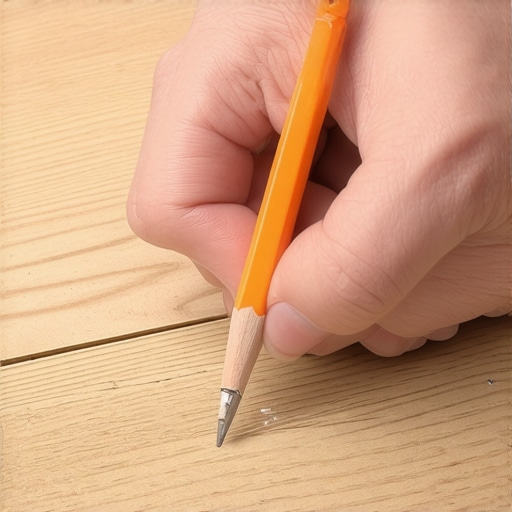
I spent three days grinding concrete on a job last month just so the floor wouldn’t click like a castanet. Most guys skip the leveling compound. They think the underlayment will hide the dip. It won’t. I was in a high-rise downtown where the wind was literally whistling through the baseboards because the subfloor was so uneven that the laminate was acting like a bellows. Every time someone walked across the room, the floor puffed air out of the edges. That is when I pulled a single sheet of notebook paper out of my bag and laid it over the gap. The paper fluttered like a leaf in a storm. That house was losing heat through the floor because the installer didn’t understand the physics of air pressure and subfloor prep. Floor leveling is not a suggestion. It is a structural mandate. If your slab has a 3/16 inch dip over ten feet, you do not have a floor, you have a drum. And that drum is pumping cold air from your crawlspace or basement into your living area every single time you take a step.
The ghost in the expansion gap
Finding hidden drafts under your flooring requires a simple paper test to identify air leaks caused by subfloor irregularities and improper perimeter sealing. You place a thin sheet of paper over transition strips or baseboard gaps to observe movement. If the paper lifts, you have a significant air pressure leak. These drafts often originate from the crawlspace or the rim joist area. When a floor is not level, the flooring material cannot sit flush against the subfloor. This creates a void. That void becomes a highway for cold air. In the world of high-end flooring, we call this the stack effect. Warm air rises and escapes through the ceiling, which pulls cold air in through the floor. If you have laminate or LVP installed over a bumpy subfloor, you are effectively living on top of an uninsulated wind tunnel. The paper test is the most honest tool in my kit. It does not lie like a salesman. It shows you exactly where the thermal envelope of your home is failing. Many homeowners complain about cold feet and blame the flooring material. They think the laminate is naturally cold. In reality, the material is just a victim of the air moving beneath it. Fixing this requires more than just a thicker rug. It requires a deep dive into the chemistry of floor leveling compounds and the mechanics of perimeter insulation.
“A floor is only as good as the subfloor beneath it; deflection is the enemy of every joint.” – Master Flooring Axiom
Why your subfloor is lying to you
A subfloor that looks flat to the naked eye often contains microscopic peaks and valleys that compromise the structural integrity of your carpet install or laminate planks. You must use a straightedge to verify the surface tolerance before any material is laid down to prevent air pockets. I have seen installers try to fix a dip with extra foam underlayment. That is a recipe for disaster. While most people want the thickest underlayment, too much cushion actually causes the locking mechanisms on LVP to snap under pressure. You want a high-density, low-compression underlayment that provides a thermal break without allowing the floor to bounce. When the floor bounces, it acts like a piston. It pushes air out and pulls air in. This movement can even pull dust and allergens from the subfloor into your breathing air. If you are dealing with a concrete slab, you are looking at moisture vapor transmission. Concrete is a sponge. It looks solid, but it is full of capillaries. If the relative humidity in that slab is over 75 percent, you are going to have issues. You need to use a calcium chloride test or an in-situ probe to get a real reading. Do not trust a cheap handheld meter that only checks the surface. You need to know what is happening two inches deep in that pour.
| Material Type | Janka Hardness Rating | Acclimation Time Required | Draft Resistance Level |
|---|---|---|---|
| Solid White Oak | 1360 | 7 to 14 Days | High if Site Finished |
| Engineered Maple | 1450 | 3 to 5 Days | Medium |
| Laminate Planks | N/A (AC4) | 48 Hours | Low without Sealant |
| Luxury Vinyl Plank | N/A | 48 Hours | Low if Floating |
The science of floor leveling chemistry
Floor leveling compounds are engineered hydraulic cements that flow like water to create a perfectly horizontal and airtight surface for your new installation. These products use advanced polymers to bond to the existing substrate and eliminate the voids that allow drafts to migrate. When I mix a bag of self-leveling underlayment, I am looking at a specific water-to-powder ratio. If you add too much water, you weaken the crystalline structure of the cement. If you add too little, it won’t flow into the low spots. We are talking about a chemical reaction that generates heat. As it cures, it forms a dense, non-porous layer that acts as a secondary air barrier. This is vital in older homes where the original board subflooring has gaps large enough to see through. You cannot just throw carpet over that. You need to sheath it with plywood and then level the seams. If you are doing a carpet install, the tack strips need to be placed with precision. If the installer leaves a gap between the tack strip and the baseboard, that is a draft port. Every single transition, from the hallway to the bedrooms, needs to be inspected for air movement.
- Check the perimeter expansion gap for excessive air flow using the paper test.
- Verify that the subfloor is flat within 3/16 inch over a 10 foot radius.
- Apply a high-quality moisture barrier with taped seams for all floating floors.
- Use color-matched silicone sealant at the base of showers and wet areas.
- Seal all wire and pipe penetrations in the subfloor with expanding foam.
- Install transition strips that include an integrated rubber gasket for a tighter seal.
When laminate meets the drafty threshold
Laminate flooring requires an expansion gap at the perimeter which can inadvertently become a source of cold drafts if the baseboards are not installed with a bottom seal. You must balance the need for the floor to move with the need to keep the home airtight. I often see homeowners skip the backer rod. If you have a large gap, you should tuck a foam backer rod into that space before you put the baseboard on. This allows the floor to expand and contract according to NWFA standards while stopping the breeze. Laminate is particularly susceptible to temperature swings. If the air under the floor is 50 degrees and the air in the room is 70 degrees, the planks will cup. The bottom of the plank stays cool and moist, while the top dries out. This creates a permanent warp. By stopping the draft, you are not just making your feet warmer, you are protecting your investment. I remember a job where the laminate was clicking so loudly it sounded like someone was typing on a typewriter. The culprit was a draft coming from a poorly sealed sliding glass door. The air pressure was lifting the lightweight planks just enough to make them tap against the concrete. We pulled the trim, injected low-expansion foam, and the noise stopped instantly.
“Moisture and air movement are the two primary causes of premature flooring failure in residential construction.” – TCNA Technical Bulletin
The shower perimeter and moisture migration
Showers and wet areas represent the highest risk for both drafts and moisture damage due to the penetration of the subfloor for plumbing and drainage. You must ensure that the transition between the bathroom tile and the bedroom flooring is hermetically sealed. Most people think about water leaking, but air leaks are just as common. In a bathroom, the exhaust fan creates a vacuum. If there is a gap around the shower base, that vacuum pulls air from the crawlspace or the wall cavities. This air is often damp and carries the smell of earth or mold. This is why you see laminate turning black at the edges near a bathroom door. It is not always a plumbing leak. Often, it is just condensation from the draft. When you are leveling a floor near a shower, you have to be careful not to block the weep holes of the shower pan, but you must seal the subfloor around the drain pipe. A bead of high-grade silicone is worth its weight in gold here. It stays flexible. It moves with the house. It stops the ghost in the floor from stealing your heat. If you ignore this, no amount of floor leveling or expensive carpet will save you from that damp, cold feeling in the morning.