The ‘Duct Tape’ Hack for Fixing Carpet Ripples Temporarily
Most guys skip the leveling compound. They think the underlayment will hide the dip. It won’t. I spent three days grinding concrete on a job last month just so the floor wouldn’t click like a castanet. When I walked into that house, the homeowner was trying to smooth out a massive wave in the master bedroom using a roll of silver duct tape. It was a mess of adhesive residue and broken promises. I smell like WD-40 and oak dust most days, and I have seen every shortcut in the book. This duct tape trick is a favorite of the desperate. It is a temporary bridge for a structural failure in the carpet install. People forget that carpet is a membrane under tension. When that tension fails because of poor subfloor prep or high humidity, the floor starts to move like the ocean. I have spent 25 years on my knees fixing these mistakes. You cannot just tape over a physics problem. Carpet ripples are the result of the secondary backing separating from the primary backing, or the tack strips losing their grip on the subfloor. I have seen fifteen thousand dollar floors ruined because someone ignored a moisture meter. If you are going to use a hack, you better understand the molecular breakdown of what you are doing. This is not about aesthetics. This is about engineering and the chemistry of adhesives.
The structural reality of carpet ripples
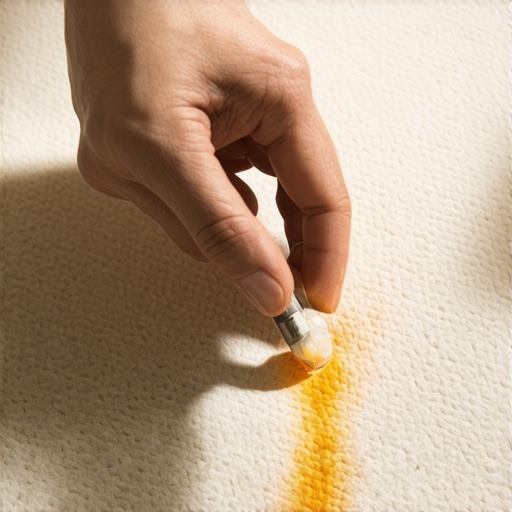
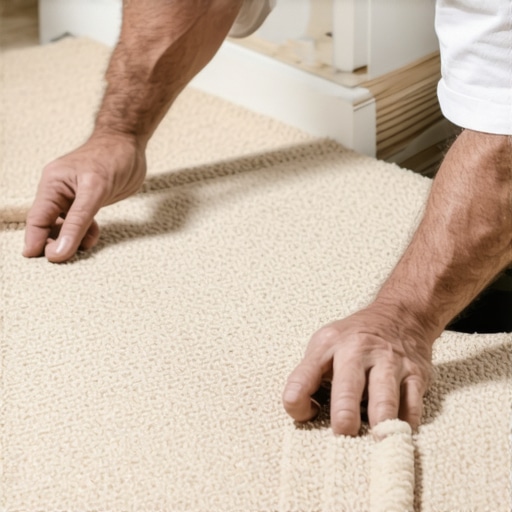
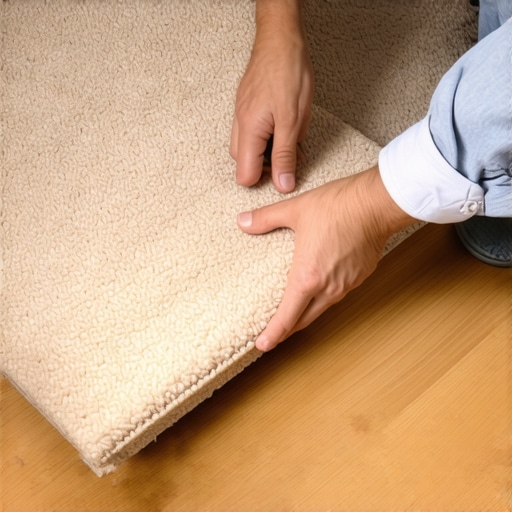
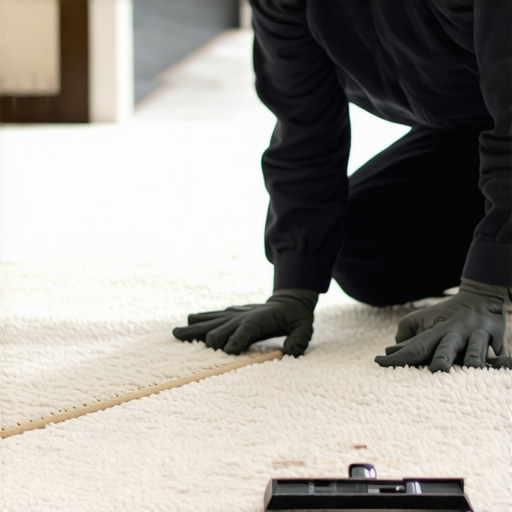
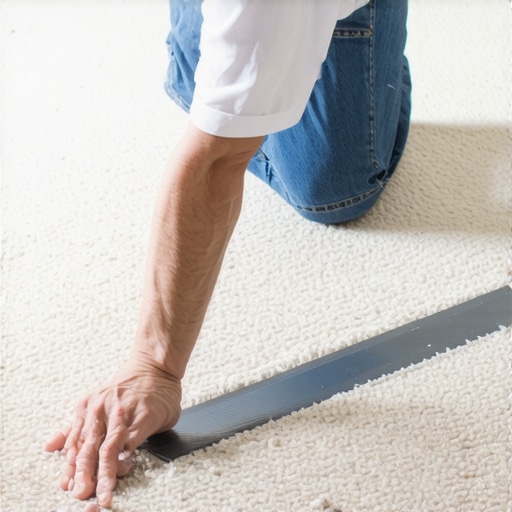
Carpet ripples are localized bubbles or waves caused by the loss of tension in the textile membrane, often due to humidity, improper stretching, or subfloor failure. The duct tape hack involves using high-tack adhesive to anchor the carpet backing to the subfloor temporarily, providing a short-term mechanical fix. This movement is not just a trip hazard. It is a sign that the latex bond holding your carpet together is under duress. When a carpet is manufactured, the primary backing holds the face fibers. A secondary backing is then glued on with a latex adhesive. If that latex gets wet or stays in a high-humidity environment, like a house near a poorly ventilated shower, it softens. Once it softens, the carpet grows. It expands at a different rate than your subfloor. This is why you see ripples in the summer that disappear in the winter. The duct tape hack tries to fight this expansion by creating a fixed point. You pull the carpet toward the wall and tape the underside to the subfloor. It works for a week or maybe a month. Then the adhesive on the tape begins to migrate. It gets into the carpet fibers. It creates a permanent stain. It is a band-aid on a broken leg.
Why your subfloor determines your carpet lifespan
A subfloor must be flat to within one eighth of an inch over a ten foot radius to prevent carpet ripples and premature wear. Most installers ignore floor leveling because it takes time and money, but an uneven subfloor allows the carpet to flex and stretch unevenly over time. When the carpet flexes over a dip, the backing undergoes constant stress. Think of it like a piece of wire you bend back and forth. Eventually, it breaks. In the world of flooring, we call this delamination. The secondary backing snaps away from the face of the carpet. No amount of duct tape will fix a delaminated carpet. You have to understand the chemistry here. The concrete slab underneath acts as a giant sponge. It pulls moisture from the earth and pushes it upward in a process called vapor drive. If you do not have a proper moisture barrier or if your floor leveling compound is not rated for the specific moisture levels of your region, that vapor will eat your carpet from the bottom up. I have seen beautiful installations in Houston turn into wavy messes within two years because the installer ignored the swampy humidity and the lack of a vapor barrier.
“A floor is only as good as the subfloor beneath it; deflection is the enemy of every joint.” – Master Flooring Axiom
The physics of the power stretcher versus the knee kicker
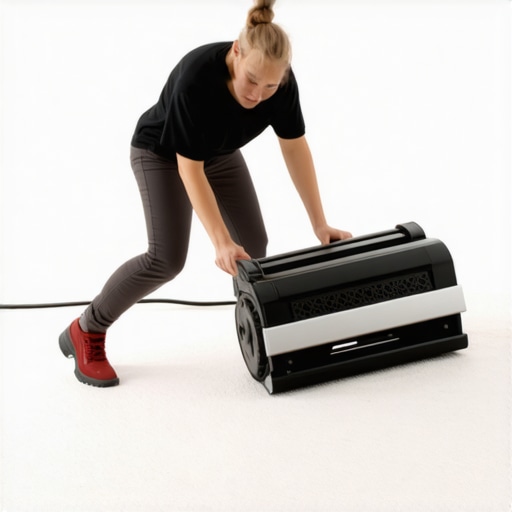
The power stretcher is the only tool capable of providing the 1.5 percent stretch required by the NWFA and manufacturer standards to prevent ripples. A knee kicker is a positioning tool that lacks the mechanical leverage to properly tension a carpet across a large room. Most carpet ripples happen because the installer used a knee kicker for the whole job. A knee kicker only moves the carpet a few inches. A power stretcher uses a long pole to push against the opposite wall, providing thousands of pounds of force. This force actually elongates the carpet fibers and the backing. It locks the carpet onto the tack strips with enough tension that it cannot move even when the humidity changes. When you use the duct tape hack, you are essentially trying to replicate the tension of a power stretcher with a sticky strip of plastic. It is a losing battle. The shear strength of duct tape is not designed to hold a tensioned textile under load. Eventually, the carpet will pull the tape off the subfloor, or the tape will stretch until the ripple returns.
| Carpet Type | Tension Requirement | Pad Density (lb) | Acclimation Time |
|---|---|---|---|
| Nylon | High | 8 | 48 Hours |
| Polyester | Medium | 6 | 24 Hours |
| Wool | Specialized | 10 | 72 Hours |
The hidden danger of excessive underlayment cushion
While most people want the thickest underlayment for comfort, too much cushion actually causes the locking mechanisms on LVP to snap and carpet backings to stretch beyond their elastic limit. A thick, soft pad allows the carpet to move too much when walked upon, leading to ripples. You want a dense pad, not a soft one. An eight pound density pad is the standard for a reason. It provides support. When you walk on a carpet with a cheap, soft pad, the carpet is forced down into the foam. This vertical movement translates into horizontal stretching. Over a thousand footsteps, that carpet is being stretched more and more. Eventually, it has nowhere to go but up. That is where your ripples come from. This is especially true in high traffic areas or near transitions to laminate or tile. If your laminate is not installed with the proper expansion gaps, it can even push against the carpet transition, causing the carpet to bunch up. It is a chain reaction of poor decisions. To fix it right, you need the right tools and a strict adherence to the process.
- Power Stretcher with all extension poles
- Knee Kicker for corner adjustments
- Row Cutter for precise edge trimming
- Seam Iron with high-quality seam tape
- Subfloor Moisture Meter for concrete testing
- Floor Leveling Compound for dip repair
Regional humidity and the ghost in the expansion gap
Humidity levels in regions like the Southeast can cause synthetic carpet backings to expand by as much as two percent in a single season if the HVAC system is not controlled. This expansion is the primary driver of ripples in homes where the carpet was installed during a dry winter. If you install a carpet in the middle of a Phoenix winter, it is at its smallest. When the monsoon season hits, that carpet is going to grow. If you did not use a power stretcher to account for that growth, you are going to have waves. The duct tape hack is particularly useless here because the humidity that causes the carpet to expand also weakens the adhesive bond of the tape. I have seen people try to use duct tape in bathrooms or near showers to hold down carpet. It is a disaster. The steam from the shower permeates the carpet fibers and turns the duct tape adhesive into a gooey mess that ruins the subfloor. You need to treat the room like a pressurized vessel. Everything has to be calculated.
“Proper carpet tension requires a minimum of 1 percent to 1.5 percent stretch in both directions.” – Master Flooring Axiom
The chemical breakdown of the duct tape bridge
Duct tape adhesive is typically a rubber-based pressure-sensitive adhesive that degrades when exposed to the high pH levels found in concrete subfloors or the off-gassing of synthetic carpet pads. This degradation leads to adhesive migration and a total loss of structural integrity within weeks. When you apply that tape, it feels solid. But the chemistry is working against you. Concrete is alkaline. That alkalinity eats away at the rubber in the tape. Furthermore, the plasticizers in the carpet pad can leach out and soften the tape adhesive. This creates a sticky sludge that will never come out of your carpet. If you ever decide to have the carpet professionally stretched, the installer will have to cut out the section you taped because the backing will be compromised. It is a short-sighted fix that costs more in the long run. Real carpet install requires mechanical fasteners, specifically tack strips with a sawtooth profile. These strips are nailed into the subfloor and have sharp metal pins that grip the carpet backing. That is the only way to hold a floor in place. If your tack strips are rotting because of moisture from a nearby shower or a leaky window, the carpet will ripple. You do not need tape. You need new strips and a moisture barrier. I always tell people that if they can see the ripple, the damage to the backing is already starting. You have to act fast, but you have to act correctly. Forget the hacks. Get a power stretcher or call someone who knows how to use one. Your subfloor is the foundation of your home. Treat it with some respect and stop trying to fix engineering problems with a roll of tape from the hardware store. It will buckle. It will fail. And you will be calling me to grind your concrete anyway.