Why Your Carpet Tacks Are Rusting Through the Surface
Most guys skip the leveling compound. They think the underlayment will hide the dip. It won’t. I spent three days grinding concrete on a job last month just so the floor wouldn’t click like a castanet. I have seen every shortcut in the book and they all lead to the same place which is a failure of the mechanical bond. When I walk into a house and see rust spots bleeding through the carpet fibers I know exactly what happened before I even pull back the corner. The subfloor is talking. It is telling a story about vapor pressure and a failed moisture barrier that the original installer ignored because they were in a rush to get to the next job site. Metal should not rust inside a climate controlled living room. When it does it means the chemistry of your home is out of balance. I smell the wet concrete and the old adhesives every time I walk through those doors. It is a scent that stays with you and it is a scent that costs homeowners thousands of dollars in remediation because someone did not understand the physics of a slab.
The chemistry of hidden iron oxidation in flooring systems
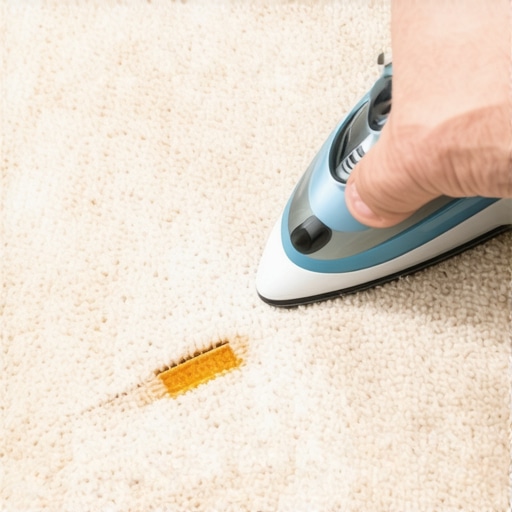
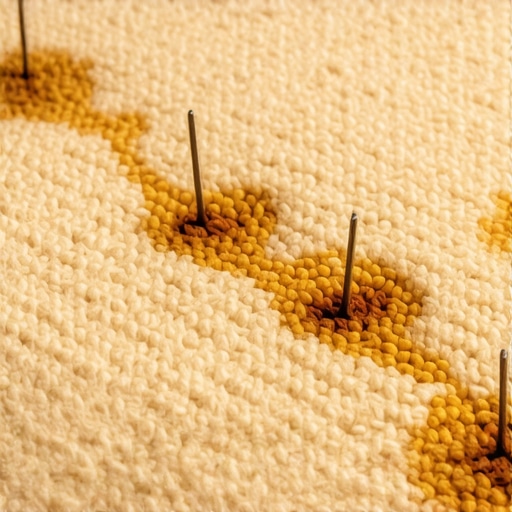
Carpet tacks rust because of high moisture vapor emission rates (MVER) coming from the concrete slab or wooden subfloor beneath the padding. When moisture levels exceed five pounds per one thousand square feet over twenty-four hours the steel pins in the tack strip undergo a chemical reaction called oxidation. This creates iron oxide which travels up the carpet fibers through capillary action. It is not just about the water. It is about the pH level of that water. Concrete is naturally alkaline. When moisture travels through a slab it picks up salts and alkalis. This solution is highly corrosive to the carbon steel used in standard builder grade tack strips. If you live in a high humidity region like Florida or the Gulf Coast this process happens even faster because the dew point inside the home often fluctuates. I have seen tack strips in Houston that looked like they had been pulled from the bottom of the ocean after only three years of service.
“A floor is only as good as the subfloor beneath it; deflection is the enemy of every joint.” – Master Flooring Axiom
The technical reality of a carpet install begins with the perimeter. The tack strip is a simple piece of Douglas fir or plywood with pre-driven zinc plated nails. But that zinc plating is thin. It is designed to resist a little bit of humidity during the construction phase not a constant assault of vapor from a damp crawlspace or an unsealed slab. When the moisture hits the steel it starts the electrochemical process. The electrons leave the iron atoms and the metal begins to flake. This is why the rust spots always appear in a straight line along the walls. That is where the strip is. If you see these spots near showers or bathrooms the culprit is usually a failing waterproof membrane or a leak in the pan that is saturating the subfloor and traveling laterally. The water does not just stay in the bathroom. It follows the path of least resistance which is often the thirsty plywood under the hallway carpet.
Why your subfloor is lying to you about its dryness
Subfloors often appear dry on the surface while holding significant moisture deep within the core of the material. To accurately measure the moisture content of a subfloor you must use an invasive pin meter for wood or an in situ relative humidity probe for concrete slabs. Surface readings are almost always misleading because the top eighth of an inch of the material is the first to dry while the bottom remains saturated. When you trap that moisture under a layer of dense carpet padding and a secondary backing you are creating a greenhouse effect. The moisture has nowhere to go but up through the tack strip pins. I always tell my apprentices that if they do not pull out the moisture meter they are just guessing. And guessing is how you end up with a lawsuit. You have to check the relative humidity of the slab. If it is over eighty five percent you have a problem that a simple pad cannot fix.
| Material Type | Max Moisture Content (MC) | Relative Humidity (RH) Limit | Acclimation Time |
|---|---|---|---|
| Solid White Oak | 6 to 9 percent | 30 to 50 percent | 10 to 14 days |
| Engineered Core | 7 to 11 percent | 35 to 55 percent | 3 to 5 days |
| Concrete Slab | 4 percent (Impedance) | 75 to 85 percent | 28 to 60 days |
| Plywood Subfloor | 12 percent | N/A | 48 hours |
Floor leveling is another area where installers fail the physics test. They use a self leveling compound but they do not prime the floor first. The dry concrete sucks the water out of the leveler too fast and it becomes brittle. Then it cracks. When it cracks it creates a new path for moisture to migrate toward your tack strips. It is a chain reaction of bad decisions. If you are moving from carpet to laminate or LVP you cannot ignore the rust. The rust is a symptom of a vapor problem that will destroy the locking mechanisms of a floating floor. I have seen the tongues and grooves of expensive laminate swell and snap because the installer thought a six mil poly film was enough to stop a rising tide of vapor. It was not. You need to address the slab directly with a high quality moisture barrier or a topical epoxy sealer.
The physics of expansion gaps and perimeter failures
Expansion gaps are essential for the longevity of any floor because they allow the material to move with changes in atmospheric pressure and humidity. For carpet the tension is held by the tack strip but for laminate and hardwood the floor must be allowed to float or expand against the wall. When the perimeter of the room is compromised by moisture the tack strip loses its structural integrity. The wood in the strip rots and the nails lose their grip. This leads to carpet ripples and bunching. It is not a stretching issue. It is a foundation issue. If the strip is rusted the nails are likely loose in the wood. This is why the floor feels soft or crunchy near the baseboards. You are literally walking on decomposing wood and oxidized steel. I have seen guys try to nail a new strip right next to a rusted one. That is like putting a clean bandage on a dirty wound. You have to remove the rot and seal the subfloor before you proceed.
“Concrete moisture vapor emission shall be measured in accordance with ASTM F1869 or ASTM F2170 to ensure the success of the finish flooring.” – National Wood Flooring Association Standard
When dealing with showers and adjacent carpeted areas the risk of rust is at its peak. The high humidity from the steam alone can be enough to trigger oxidation if the bathroom lacks proper ventilation. However the more common cause is a failure of the transition strip. If the tile installer did not use a proper Schluter strip or a solid marble threshold the water from the shower mat or the occasional spill seeps into the subfloor transition. This moisture is then wicked up by the carpet pad which acts like a sponge. The pad holds the water against the tack strip for days or weeks. This is why you see rust near the bathroom door more than anywhere else. It is a localized failure of the moisture barrier system.
- Inspect the tack strip for any signs of black or orange discoloration before installing new carpet.
- Use stainless steel or high quality galvanized tack strips in basements or near wet areas.
- Verify that the concrete slab has been sealed with a vapor retarder that meets ASTM E1745 standards.
- Check the calibration of your moisture meter every single morning before starting work.
- Ensure that the transition between tile and carpet has a physical break to prevent capillary wicking.
If you are switching to laminate you must be even more careful. Laminate is essentially a photograph glued to a dense sawdust board. It hates water more than anything. If your carpet tacks were rusting your laminate will swell at the seams within six months. You must use a floor leveling compound that is rated for high moisture environments if you are trying to smooth out the dips. I prefer a cementitious leveler with a polymer additive for flexibility. This creates a denser surface that is less permeable to vapor. It takes longer to dry but it lasts a lifetime. Do not let a salesman tell you that the underlayment attached to the back of the plank is enough. It is not a vapor barrier. It is a cushion. There is a huge difference between the two and ignoring that difference is the primary cause of flooring failure in modern homes. The physics of the slab always wins. You either work with it or you watch your investment rot from the bottom up.
{“@context”: “https://schema.org”, “@type”: “Article”, “headline”: “Why Your Carpet Tacks Are Rusting Through the Surface”, “author”: {“@type”: “Person”, “name”: “Master Floor Architect”}, “description”: “An in-depth technical analysis of why carpet tack strips rust and how moisture vapor emissions from concrete slabs destroy flooring systems.”, “articleSection”: “Flooring Engineering”}