The Feather Edge Secret for Smooth Transitions onto Hardwood
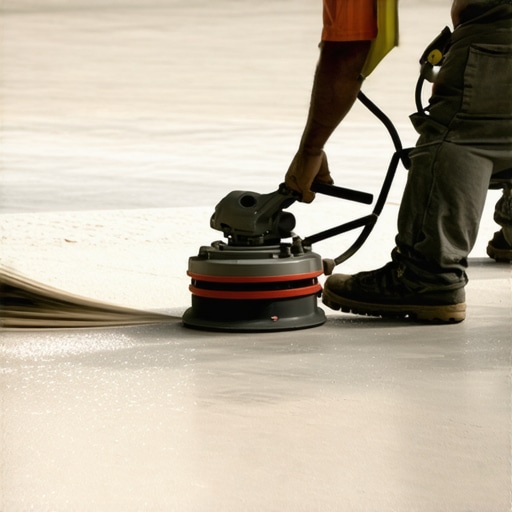
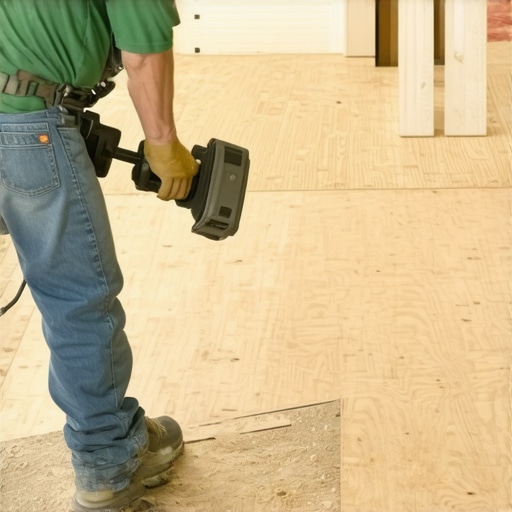
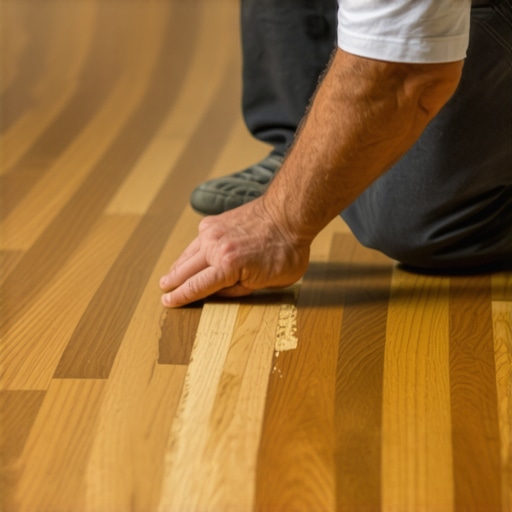
Most guys skip the leveling compound. They think the underlayment will hide the dip. It won’t. I spent three days grinding concrete on a job last month just so the floor wouldn’t click like a castanet. The homeowner thought I was crazy, but a month later, they realized that dead-flat surface was why their expensive engineered planks didn’t separate at the seams. I have spent twenty-five years staring at the microscopic pores of concrete slabs and the cellular structure of white oak planks. You can smell the WD-40 and the fine oak dust on my skin, and you can see the results of that experience in every joint I set. A floor is not a decoration. It is a structural engineering achievement that must withstand thousands of pounds of pressure and the relentless assault of humidity changes. When you walk from a tiled bathroom into a hardwood hallway, you are crossing a technical border that requires more than a simple metal strip.
The 1/8 inch that ruins everything
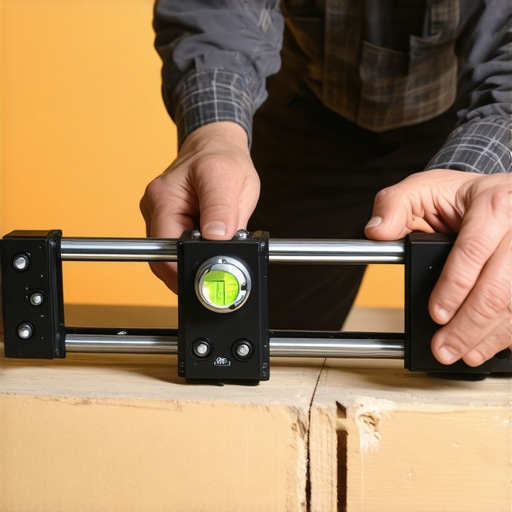
A height deviation of 1/8 inch over a ten-foot radius is the maximum tolerance for most hardwood installations and luxury vinyl plank systems. If the subfloor exceeds this, the locking mechanisms will eventually fail, leading to gaps and structural floor noise. This is the law of the industry. When you have a dip in the subfloor, the flooring material acts as a bridge. Every time you step on that bridge, it flexes. Over time, that micro-movement weakens the tongue and groove or the click-lock system. You will hear it first, a small tick or a crunch. Then you will see it. The finish will start to wear prematurely at the edges because they are rubbing against each other like tectonic plates. I have seen fifteen thousand dollar floors ruined because someone was too lazy to pull out a straightedge and a bag of leveler. You have to be ruthless with your subfloor. If it is not flat, nothing else matters.
The physics of the feather edge technique
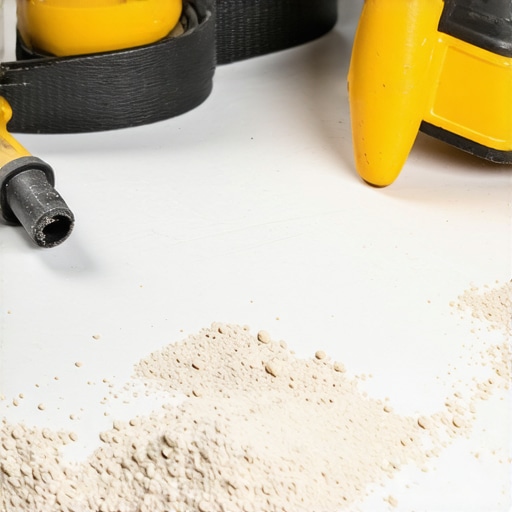
Feather edge compounds are specialized Portland cement-based materials designed to taper from a specific thickness down to a true zero edge. This allows for a smooth transition between flooring types like laminate and hardwood without creating a trip hazard or a structural weak point. The chemistry here is fascinating. Unlike standard concrete, which requires a minimum thickness to maintain its strength, feathering compounds are fortified with high-strength polymers. These polymers allow the material to bond to the substrate at a thickness thinner than a sheet of paper. When I apply this, I am looking for a specific consistency, something like peanut butter. I use a flat trowel at a forty-five-degree angle to push the material into the pores of the subfloor, then I