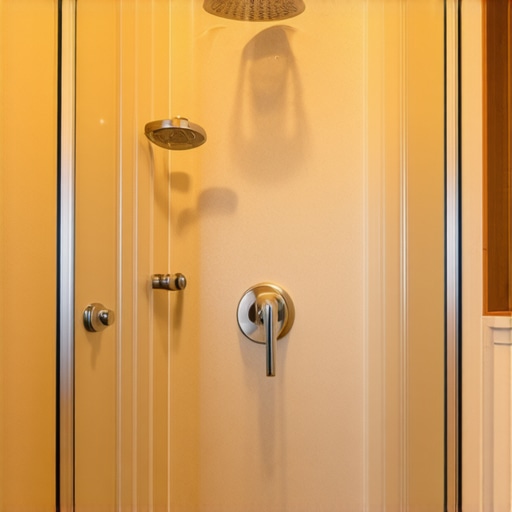
I vividly remember the moment I stepped into my newly renovated bathroom, only to realize that the sleek walk-in shower I had envisioned was plagued with water pooling at the entrance and grout lines cracking after just a few months. It was a lightbulb moment—one that made me question whether I had fallen for the latest trends without truly understanding the pitfalls.
When I first embarked on my bathroom upgrade, I was seduced by the idea of modern, frameless glass showers, and the promise of a minimalist look. But soon enough, I discovered that some trendy features, if not chosen carefully, could turn out to be costly mistakes and reduce my shower’s durability. That experience sparked my curiosity: which trends should I avoid to ensure my bathroom remains both stylish and functional?
Today, I want to share my insights on the *7 Modern Walk-in Shower Trends to Avoid in 2026* so you don’t repeat my mistakes. We’ll identify the pitfalls lurking behind some popular designs and reveal what truly works for long-term shower performance.
Why Falling for Fads Could Cost You More Than You Think
Every year, new bathroom trends emerge—glossy tiles, ultra-slim shower trays, or the latest waterproofing techniques. However, some of these innovations might seem appealing initially but can lead to issues such as water leaks, mold, or expensive repairs down the line. A recent study shows that **up to 40% of bathroom renovations encounter unforeseen problems due to selecting unstable or trendy materials without proper guidance**.
My early mistake was opting for a very slim shower base without considering the importance of adequate floor leveling. That oversight led to water pooling and cracked grout, which I later realized was a common issue among homeowners rushing to follow the newest looks. Trust me, what looks stylish today may become a nightmare tomorrow if it’s not backed by solid functionality.
If you’ve faced similar frustrations—water leaks, uneven floors, or tiles that don’t last—it might be time to be more cautious about the trends you follow. Fortunately, there are proven methods and expert solutions to help you sidestep these common pitfalls.
For expert guidance on designing a durable, water-proof shower that aligns with modern aesthetics, I recommend visiting [floorcraftstore.com/expert-shower-solutions-bathroom-renovations-for-modern-homes](https://floorcraftstore.com/expert-shower-solutions-bathroom-renovations-for-modern-homes). This resource offers valuable insights into making intelligent choices that stand the test of time.
Now, let’s dig into the top trends you should think twice about adopting in your upcoming bathroom remodel—and what smart alternatives can help you achieve beauty and durability alike.
Mastering Floor Leveling for Durable Showers
Begin by removing old flooring and assessing the subfloor. Use a self-leveling compound like the ones discussed in this guide to fix uneven surfaces. For example, I once had a shower floor sagging due to concrete cracks; applying a quality floor leveler not only fixed the issue but prevented future leaks. Spread the compound evenly with a trowel, working from the center outward, ensuring no air pockets remain. Allow proper drying time before proceeding to water-proofing.
Installing Waterproof Shower Bases Correctly
Choose a quality waterproof membrane like PVC or hot-mop systems. When installing, double-check the level with a spirit level, making adjustments if necessary. I learned that skipping this step led to pooling water and grout damage. Lay the membrane seamlessly, overlapping edges as recommended in this resource. Seal all edges tightly, especially at corners and drain openings, to prevent leaks—imagine it as wrapping your precious gift tightly to keep everything inside safe.
Ensuring Proper Drainage and Slope
Achieve correct slope—ideally 1/4 inch per foot—from the shower entrance to the drain. Use a laser level or a simple level after laying the base to confirm. I once installed a shower with insufficient slope, resulting in water pooling; correcting this required removing tiles and re-lowering the floor, which was costly. To make this easier, create a template before laying the final surface or utilize prefabricated shower pans designed for correct drainage. Proper slope avoids the need for costly rework later.
Strategic Tile Selection and Grouting
Opt for large-format, water-resistant tiles that minimize grout lines. When applying grout, select epoxy-based formulations for waterproofing, following the manufacturer’s mixing instructions precisely. I once used cement grout in a humid area, and it cracked within months. Sealing the grout after installation with a high-quality sealer, like in this guide, helps prevent staining and mold growth. Remember, uniform application with a rubber float ensures even coverage and reduces gaps.
Choosing the Right Shower Doors or Enclosures
Decide between frameless glass or sturdy framed options, considering ease of cleaning and sealing. For better durability, opt for tempered glass with secure brackets, making sure all seals are tightly fitted to prevent water leaks. I installed a frameless door with minimal framing and experienced frequent leaks at the seal, prompting me to tighten the edges and replace worn-out gaskets, akin to tightening a lid to keep everything inside dry. Check for gaps regularly and reseal as needed.
Waterproofing the Shower Niche and Joints
Use specialized waterproofing tape and membranes at joints, especially around niches and corners. I once neglected to waterproof behind my niche, leading to mold and water damage within walls—an avoidable mistake. Apply the waterproof tape generously, then cover with a thin layer of waterproof sealant. For best results, seal all penetrations with flexible sealant, which accommodates movement and prevents cracks.
Regular Maintenance and Inspection
Schedule routine checks for grout cracks, sealant integrity, and drain function. Replace damaged grout immediately; waiting only exacerbates issues. Think of your shower as a living space: consistent upkeep keeps it performing and looking new. Simple steps like wiping down tiles after use and resealing annually extend its lifespan significantly.
Many homeowners believe that choosing the most affordable materials guarantees savings, but in practice, cutting corners on laminate flooring, shower setups, or floor leveling often leads to costly repairs down the line. A prevalent misconception is that laminate floors are impervious to moisture, yet without proper waterproofing and subfloor preparation, even durable-looking laminate can swell or warp, especially in bathrooms or kitchens. Experts emphasize that understanding the subtle differences in subfloor conditions, moisture barriers, and installation techniques is essential for long-lasting results; for instance, neglecting proper floor leveling can cause uneven surfaces that foster creaking and damage over time. Additionally, many assume that modern showers don’t require meticulous slope and waterproofing—nothing could be further from the truth; improper drainage or waterproofing failures may result in leaks and mold, turning a sleek upgrade into a nightmare. When installing carpets, the myth that DIY methods are just as good as professional setup is widespread, but uneven subfloors or improper padding can cause premature wear and discomfort. The critical nuance often overlooked is that each step—whether subfloor prep, material choice, or sealing—interacts to ensure durability. Advanced homeowners ask: How do I identify subtle subfloor issues before installation begins? Addressing this, a study by the National Association of Home Builders highlights that proper assessment and preparation are the biggest predictors of project longevity, surpassing even material quality. For example, inspecting for hidden subfloor damage and using expert-grade levelers can prevent the infamous squeak or sag. Remember, valuable flooring and shower investments need a nuanced approach—it’s not just about choosing the latest style but understanding the intricacies that make these upgrades last. Want to avoid common pitfalls? Visit [trust-premier-for-shower-and-carpet-installations](https://floorcraftstore.com/trust-premier-for-showers-carpet-install-top-home-renovation-tips) for tips on expert installation. Have you ever fallen into this trap? Let me know in the comments.Maintaining your bathroom upgrades, especially when it comes to laminate floors, showers, and floor leveling, requires the right tools and a consistent approach. I personally rely on a few specialized pieces of equipment that ensure long-term durability and ease of maintenance. For instance, a high-quality laser level is indispensable for verifying accuracy during installation. I use the **Bosch GLL 3-80** laser level because it projects multiple planes, making it easier to spot uneven surfaces or misalignments in real-time. This helps prevent future issues like creaking or water pooling. Additionally, a digital moisture meter such as the **Extech MO290** allows me to monitor moisture levels in subfloors and walls, ensuring the environment remains ideal for the longevity of waterproofed surfaces and laminate materials. Regular checks with this device help me catch potential problems early before they escalate.
When it comes to waterproofing showers, I prefer using professional-grade membranes like **RedGard** or **Kerdi**. Applying these membranes correctly with a notched trowel and a quality roller, as highlighted in trusted renovation guides, guarantees a seamless barrier that prevents leaks for years. I also recommend maintaining a schedule for thorough inspections of grout lines and sealants—simple tasks that save significant repair costs down the line. Resealing grout and reapplying sealants every couple of years keep water from seeping into vulnerable joints.
For long-term results, it’s vital to perform periodic upkeep. I set reminders to check for grout cracks or water stains around the floor drain. If I spot any issues, I don’t hesitate to reapply sealant or replace damaged grout, rather than waiting for leaks to occur. These small, consistent efforts significantly extend the lifespan of your investments.
**Where do I see the trend heading?** I believe that advancements in waterproofing membranes and self-leveling compounds are steering us toward even more reliable and less labor-intensive solutions. Products like innovative self-healing membranes or fast-curing floor levelers are making renovations more foolproof.
How do I maintain my bathroom’s waterproofing over time?
Regularly inspecting grout, resealing joints, and verifying that your waterproof membranes remain intact are foundational steps. Using tools like a moisture meter can identify hidden issues early. I highly recommend trying out a high-precision laser level during your next renovation project; it’s a game-changer for ensuring perfect slopes and level surfaces, which directly impact long-term performance. For more comprehensive guidance on keeping your renovation projects durable, explore expert tips at this resource.
Lessons from My Bathroom Renovation Mistakes
One of the most profound lessons I learned was during my initial renovation when I overlooked the importance of proper floor leveling. That mistake led to uneven surfaces that caused grout cracking and water pooling, issues that could have been prevented with thorough preparation. I’ve come to realize that rushing into trendy designs without considering long-term durability often results in costly repairs down the line.
Another insight was the misconception that high-end materials automatically guarantee longevity. I discovered that even premium tiles and waterproof membranes require meticulous installation and regular maintenance. Neglecting these details can turn a beautiful upgrade into a frustrating ordeal, emphasizing that craftsmanship and ongoing care are equally vital.
Furthermore, I struggled with choosing between different waterproofing solutions. The prevailing advice suggested that all membranes are equal, but I learned that the right product, when applied correctly and sealed properly, makes a significant difference. This experience taught me to prioritize quality materials paired with proper application techniques, like those discussed in this trusted guide.
Tools and Resources That Transformed My Approach
A laser level became my most trusted tool for ensuring perfect slopes and even surfaces, crucial for long-lasting showers. I rely on models like the expert-grade laser levels that provide accurate readings across large areas. Paired with a digital moisture meter from this recommended resource, I actively monitor moisture levels in subfloors, preventing issues before they arise.
For waterproofing, I trust professional membranes such as these industry-leading products that, when applied meticulously, form an impervious barrier. Regular inspections of grout lines and sealants, guided by expert advice, keep my bathroom performing optimally over time.
Additional tools like quality grout sealers and proper installation techniques have been game-changers. Continuous learning from reputable sources ensures I stay updated on innovations, making my renovations both resilient and stylish. To explore more optimizations, check out these professional tips.
Your Next Step Toward Flawless Bathroom Upgrades
Remember, transforming your bathroom into a durable oasis doesn’t happen overnight. It requires patience, proper planning, and the right tools. Embracing continuous learning and seeking expert advice can save you from common pitfalls and elevate your project to a new level of excellence. Whether you’re tackling laminate flooring, shower waterproofing, or floor leveling, taking a detail-oriented approach will ensure your renovation endures.
Don’t let missteps derail your vision—equip yourself with knowledge, trust proven solutions, and stay vigilant during the process. Your dream bathroom is within reach if you prioritize durability alongside design.
What part of your bathroom renovation do you find most challenging? Share your experiences below—I’d love to hear your stories and offer guidance!
.