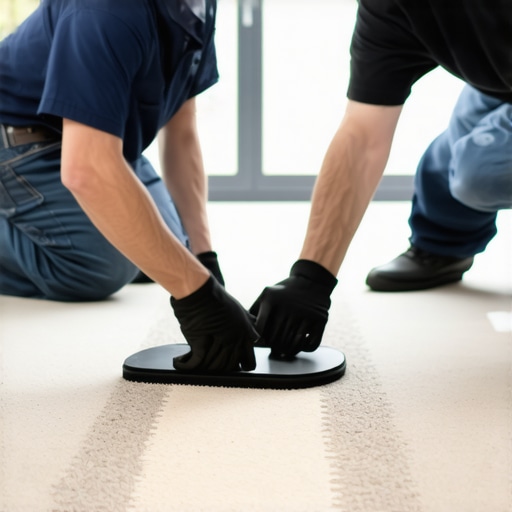
Ever had that sinking feeling when you walk across your newly installed carpet and notice uneven spots or creases? I’ve been there. One time, I rushed through a carpet installation without properly leveling the subfloor. The result? A bumpy, unprofessional look that made me cringe every time I entered the room. That lightbulb moment taught me a valuable lesson: proper floor leveling and expert installation are the backbone of durable, beautiful floors.
Why Skipping the Basics Can Cost You Big Time
If you’re like I was, you might think that a quick DIY fix or trusting the cheapest installer will do the trick. Trust me, it’s a false economy. A poorly leveled floor can lead to uneven wear, gaps, and even structural issues over time. According to flooring experts, mastering the right techniques in floor leveling and carpet installation can extend your floor’s lifespan significantly. Not only that, but it also saves you headaches and money down the line.
Have You Faced This Problem Before?
If uneven floors or creaky carpets sound familiar, don’t worry. I’ll walk you through the proven tips and tricks I’ve picked up over the years. These are the essentials that every homeowner or DIY enthusiast should know to ensure their floors stay flawless for years to come. Ready to transform your space into a durable, stylish haven? Let’s dive into the secrets of expert carpet installation and floor leveling that really work.
Before we get into the step-by-step, I want to share a quick mistake I made early on. I skipped the detailed subfloor inspection, assuming it was unnecessary. Turns out, that oversight cost me dearly in the form of uneven wear and tear. A simple check with a level or a quick assessment could have saved me a lot of frustration. For more detailed strategies, you can check out this comprehensive guide.
Now, with that lesson learned, I’m excited to help you avoid similar pitfalls. From choosing the right leveling compounds to proper installation techniques, I’ll cover everything you need for your floors to last. So, do you feel like your current flooring might be hiding problems? If yes, then stick around. The next sections will arm you with the skills and knowledge to make your flooring projects not just successful, but lasting works of art.
Start with a thorough inspection of your subfloor
Before you even think about laying down new flooring, take a close look at your subfloor. Use a long, straightedge or a level to identify high spots, dips, or uneven areas. I once skipped this step and ended up with a lumpy carpet that had to be redone. Precise inspection helps you plan your leveling process accurately and avoid costly mistakes later.
Choose the right leveling compound
Select a high-quality self-leveling compound suitable for your subfloor material. Think of it as the foundation of a sturdy building: if you pick the wrong base, everything else suffers. For concrete subfloors, a polymer-modified compound offers excellent adhesion and durability. For wooden subfloors, consider a patching compound designed for wood. For detailed guidance, check out this expert guide.
Prepare your subfloor meticulously
Clean the surface thoroughly, removing dust, debris, and grease. Use a vacuum and a damp cloth to ensure no particles interfere with adhesion. If there are cracks or holes, fill them with a suitable patching compound. I remember once rushing this step and noticing creases and gaps after installation. Proper preparation acts like priming a canvas before painting—essential for a flawless finish.
Apply the leveling compound evenly
Mix the compound as per manufacturer instructions. Pour or spread it across the uneven areas, using a trowel or a squeegee. Imagine spreading frosting evenly over a cake—smooth, continuous motion yields the best results. For larger areas, a self-leveling compound will naturally flatten out, saving you time and effort. During my first attempt, I used a trowel for everything, which caused uneven thickness; I learned that patience and proper tools make a difference.
Allow sufficient curing time
Follow the manufacturer’s drying time strictly. Rushing this step can result in cracks or uneven surfaces. I once hurried the process and ended up with a wavy floor, which caused my carpet to wear unevenly. Waiting ensures a solid, flat base that will last for years. After curing, lightly sand any high spots or imperfections for an ultra-smooth surface.
Double-check the flatness before installation
Use your level or a straightedge to verify the floor’s smoothness. A perfectly flat surface is crucial for long-lasting results. If you find any remaining dips, reapply the leveling compound or patch those spots. Think of it as fine-tuning a musical instrument—precision creates harmony and durability. I made this extra check on my last project, which resulted in a seamless, professional-looking finish that stood the test of time.
Commit to proper installation techniques
Once the floor is level, proceed with your carpet or laminate installation. Follow manufacturer instructions meticulously, especially regarding expansion gaps and fastening methods. Use quality adhesives and tools for secure placement. For instance, I learned that rushing the installation without proper adhesion led to creases and looseness over time. Proper technique is the final piece in the durability puzzle.
By investing time in these detailed steps, you’re setting your floor up for decades of durability and beauty. Remember, a level floor isn’t just about aesthetics; it’s the foundation of a resilient, long-lasting space. For more insights on expert installation practices, visit this resource.
Many enthusiasts believe that floor leveling and carpet installation are straightforward tasks, but the truth is, there are nuanced pitfalls that can undermine your efforts. One widespread misconception is the idea that a quick patch job with basic leveling compounds is sufficient for long-term durability. However, I’ve seen countless cases where DIYers or even some professionals overlook the importance of assessing the subfloor’s condition comprehensively. Small cracks, hidden moisture issues, or slight warping can cause significant problems down the line if not properly addressed before applying leveling compounds.
Another common myth is that self-leveling compounds are foolproof. While these products are designed to simplify the process, they require precise mixing, correct application, and adequate curing time to perform optimally. Rushing this step or applying too thick layers can lead to cracks, uneven surfaces, or delamination. It’s a mistake I made early on, thinking I could save time by skipping the detailed inspection and waiting for the compound to set faster. The result was a wavy, uneven floor that caused premature carpet wear. Properly preparing the subfloor and following manufacturer instructions meticulously are crucial for success.
What advanced homeowners should consider about moisture and subfloor integrity
Many overlook the subtle but critical issue of moisture. Excess moisture in concrete or wooden subfloors can cause leveling compounds to fail, resulting in bubbling or cracking over time. Experts recommend testing moisture levels before starting your project, especially in basements or older homes. Using a moisture barrier or vapor retarder can save you from costly repairs later. For comprehensive guidance on moisture management, visit this detailed guide.
Additionally, avoid the trap of over-relying on the idea that new flooring will hide subfloor imperfections. Failures often originate not from the top layer but from underlying issues that become apparent only after installation. Regular inspections, proper patching, and choosing the right leveling products tailored to your subfloor material are essential steps many skip, leading to uneven wear and early replacement. Remember, a truly durable floor starts from a solid, well-prepared foundation.
Have you ever fallen into this trap? Let me know in the comments. The key to lasting results is understanding the nuances that go beyond the basics. Investing time in these advanced steps can save you headaches and money, ensuring your floors look great and last for decades. For more expert tips, check out this resource.
Keep It Working: Tools and Maintenance for Your Floors
Achieving durable, beautiful floors is just the beginning. To ensure they stay in top shape over the years, proper maintenance and the right tools are essential. In my experience, investing in high-quality equipment and adopting regular upkeep routines can dramatically extend the lifespan of your flooring investments.
One of my go-to tools is a professional-grade floor scraper. I use it not just for initial repairs but also for periodic touch-ups to remove debris, adhesive residues, or minor damage. A sturdy, sharp scraper minimizes the risk of damaging your surface while keeping it clean and smooth. Pair that with a microfiber mop designed for delicate surfaces — I prefer ones with removable, washable pads — to regularly clean without scratching.
For deep cleaning, I recommend a steam cleaner suitable for your specific flooring type. For instance, when maintaining laminate or carpet, I ensure the steam cleaner has adjustable settings to prevent moisture buildup, which can cause warping or mold. Using the right cleaning products is equally important; always opt for pH-neutral solutions that won’t degrade your floor’s finish.
How do I maintain my floors over time?
Regular inspection is key. I schedule a quick monthly check to look for loose tiles, scratches, or signs of wear. Catching issues early prevents costly repairs later. Applying protective pads on furniture legs is another small but effective step, reducing scratches and dents. Additionally, I suggest sealing wooden floors every few years to keep moisture and dirt out, which can cause damage over time.
Looking ahead, I believe the trend in floor maintenance is moving toward smart, sensor-based systems that monitor moisture, humidity, and wear patterns in real-time. These innovations could alert homeowners before problems become visible, enabling proactive care. Companies are already developing apps that sync with floor sensors for instant updates — a game-changer for long-term durability.
Another advanced tip I recommend is investing in a dedicated floor buffer or polisher. Not just for aesthetics, but for maintaining the protective coating and preventing dullness. I personally use a lightweight, corded buffer with variable speeds, which is versatile enough to handle both carpets and hard surfaces. It’s a small investment that pays off by keeping your floors looking fresh and protected.
In conclusion, maintaining your floors effectively involves a combination of the right tools and consistent care routines. Start with a quality microfiber mop and a reliable floor scraper, then incorporate periodic deep cleaning with a suitable steam cleaner. Remember to inspect regularly and treat minor issues promptly. As technology advances, I predict that sensors and smart maintenance systems will become standard, making long-term upkeep even easier. For detailed guidance on maintaining durable, long-lasting floors, check out this expert resource. Try implementing a monthly inspection routine with your current tools — it’s a simple step that can save you big time in the future.
The Hardest Lesson I Learned About Floor Leveling and Installation
One of my biggest realizations was that rushing through subfloor inspection can lead to endless headaches. I once skipped detailed checks and ended up with uneven, creaky carpets that needed redoing. Now, I make it a point to thoroughly assess every inch of the subfloor before starting. This simple step saves me time and money, and it’s a lesson I wish I’d learned sooner.
What I Wish I Knew About Moisture and Subfloor Health
Early in my DIY journey, I underestimated the importance of moisture testing. Moisture in concrete or wood can sabotage even the best leveling efforts, causing cracks or bubbling down the line. Now, I always use a moisture meter and incorporate vapor barriers when needed. This proactive approach has kept my floors looking perfect for years.
Why Proper Curing and Finishing Make All the Difference
Rushing curing time was a mistake I kept making, thinking it saved me effort. But I learned that patience is key. Allowing leveling compounds to dry completely and sanding high spots results in a smooth, durable surface. It’s a small investment of time that pays off by extending the life of your flooring.
Curated Tools That Changed My Floor Game
Over the years, I’ve found that quality tools are worth every penny. A professional-grade floor scraper helps me remove old adhesive and debris efficiently. A lightweight buffer keeps my floors shiny and protected. A moisture meter prevents costly mistakes, and a good trowel makes application much easier. These tools have become essential in my DIY toolkit for lasting results.
Embrace the Future — Smart Maintenance and Care
Looking ahead, I’m excited about smart systems that monitor moisture and wear in real-time. These innovations will make maintaining durable floors even easier. But even now, regular inspections, prompt repairs, and proper cleaning routines are the best way to keep your floors in top shape for years to come. Remember, a durable floor starts with the right preparation and ongoing care. What’s the one lesson about floor installation you wish you knew earlier? Let me know below.
http://Brandon%20Wright
This post really hits home for me, especially the importance of thorough subfloor inspection before laying any flooring. I once skipped this step because I thought a quick visual check was enough, and I ended up with a wavy, uneven surface that caused my carpet to wear out prematurely. Since then, I always use a straightedge and a level to double-check, which has saved me a lot of headaches and follow-up repairs. The advice on moisture testing is particularly relevant; I’ve learned that hidden moisture can sabotage your entire project by causing cracks or bubbles over time. Have others found specific tools or methods that make assessing the subfloor easier, especially in older homes where problems may be less obvious? Would love to hear your experiences on making this step less daunting but equally effective.