Why Your Shower Drain Grate Is Discoloring After Only a Month
The chemical reality of metal oxidation in showers
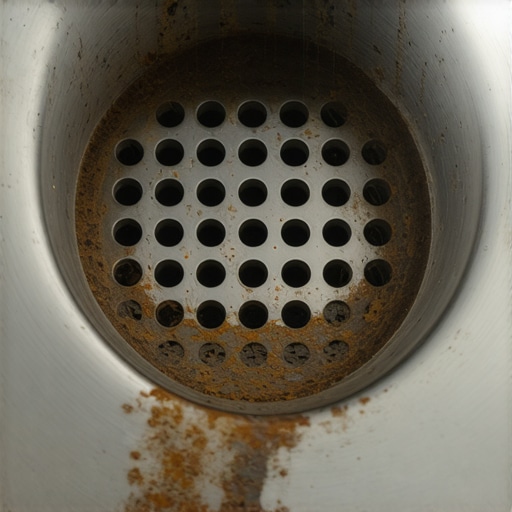
Shower drain discoloration within thirty days usually stems from a chemical reaction between the metal finish and aggressive cleaning agents or high mineral content in the local water supply. Most modern grates use PVD coatings or electroplating that react poorly to acidic environments. When moisture sits on the surface due to poor drainage or high humidity, the oxidation process accelerates rapidly. This is not a defect in the metal itself but a failure of the protective barrier. I spent three days grinding concrete on a job last month just so the floor would not click like a castanet. That level of obsession with the substrate is what saves a floor. Most guys skip the leveling compound. They think the underlayment will hide the dip. It will not. The same neglect happens in showers. If the subfloor under the pan is not dead level, the pan flexes. That flex breaks the seal around the drain. Water then seeps into the thin-set. This creates a perpetual damp environment under the grate that eats the finish from the bottom up. You see a brown spot. I see a structural failure of the drainage slope. You cannot expect a thin layer of chrome to survive a salty, acidic soup of soap scum and hard water minerals. The chemistry of the bathroom is a violent one. Every time you spray a bleach-based cleaner and do not rinse it perfectly, you are etching the metal. Within four weeks, that etching becomes visible as dark spots, rainbow-colored swirls, or white crusty deposits.
How aggressive cleaning agents strip protective layers
Cleaning products containing bleach or hydrochloric acid strip the physical vapor deposition or PVD coating off a drain grate in weeks. These chemicals are designed to eat organic matter but they do not distinguish between soap scum and the thin metallic film on your hardware. Once the seal is broken, oxygen hits the raw metal. Oxidation begins instantly. I have seen thousand-dollar fixtures ruined because a homeowner used a toilet bowl cleaner on the shower floor. It is a common mistake. People want a clean bathroom. They do not realize they are essentially pouring acid on their investment. The microscopic texture of the metal changes. It becomes porous. It holds onto dirt. The discoloration you see is actually the base metal reacting to the air. If the grate is cheap stainless steel, it might be tea staining. This is a light brown surface oxidation. It looks like rust but it is usually just surface contamination. If you have 304-grade stainless instead of 316-grade, it cannot handle the chlorides in your water. It will fail. It is that simple. You need the right metallurgy for the job. Just like you need the right subfloor for a laminate install. You do not put a floating floor over a sponge. You do not put a cheap grate in a high-mineral shower. The results are predictable and ugly.
“A floor is only as good as the subfloor beneath it; deflection is the enemy of every joint.” – Master Flooring Axiom
The geometry of the drain slope matters most
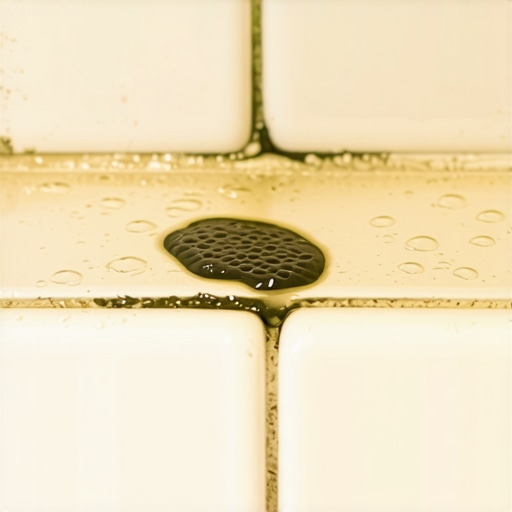
Improper floor leveling leads to standing water around the drain which is the primary cause of rapid grate discoloration. If the tile does not slope at exactly one-quarter inch per foot toward the waste line, water pools. This standing water becomes a concentrated solution of minerals and soap. As the water evaporates, the minerals stay behind. They bake onto the grate. This is why you see white or green crust. The floor is the foundation of the shower. If the installer did not use a self-leveling underlayment or a proper mud bed, the drain sits in a valley. Water cannot escape. It just sits there and eats the metal. It is the same principle as a carpet install. If the subfloor is uneven, the carpet wears in the high spots. In a shower, the low spots are the killers. I have walked into bathrooms where the grate was black after a month. The homeowner thought it was mold. It was actually the finish being dissolved by stagnant water. We had to rip out the tile and fix the pitch. There is no shortcut. You cannot polish your way out of a bad slope. You have to fix the geometry. The physics of water do not care about your aesthetic choices. Gravity wins every time. If the water does not move, the metal dies.
| Metal Type | Corrosion Resistance | Common Failure Mode | Expected Lifespan |
|---|---|---|---|
| 304 Stainless Steel | Moderate | Tea Staining/Pitting | 5-10 Years |
| 316 Stainless Steel | High | Surface Scratches | 25+ Years |
| Solid Brass | Very High | Patina/Tarnish | 50+ Years |
| Electroplated Plastic | Low | Peeling/Flaking | 1-3 Years |
Galvanic reactions between mismatched metals
Galvanic corrosion occurs when two different metals touch in the presence of water, causing the less noble metal to discolor and disintegrate. If your grate is stainless steel but the screws or the drain body are a different alloy, an electrical circuit is created. The water acts as the electrolyte. Electrons flow from one metal to the other. One metal literally dissolves to protect the other. This is science. It is not bad luck. I see this often when people buy aftermarket grates that do not match the drain housing. They look fine on day one. By day thirty, the edges are turning green or black. This is a battery in your floor. It is destroying the finish. You have to ensure all components are metallurgically compatible. You cannot mix and match without consequences. It is like trying to install a click-lock laminate over a wet concrete slab without a vapor barrier. You are inviting a reaction. The laminate will swell and the metal will corrode. Both are failures of planning. You must understand the materials you are putting together. If the drain grate is the anode in this relationship, it will disappear. It will turn colors you did not know metal could turn. It will look like it has been at the bottom of the ocean for a century after only a few weeks of showers. You need to verify the material specs of everything in the assembly.
- Check water pH levels to ensure they are not overly acidic or alkaline.
- Avoid using abrasive pads that scratch the PVD coating.
- Rinse the drain grate with fresh water after every shower.
- Ensure the shower floor has a minimum slope of 2 percent toward the drain.
- Use only pH-neutral cleaners specifically designed for stone and tile.
- Verify that the grate material is 316-grade stainless steel for salt-water systems.
Distinguishing between tea staining and structural rot
Tea staining is a cosmetic surface oxidation that appears as brown streaks, whereas structural rot involves deep pitting and metal loss. Most people see a brown smudge and panic. If you can rub it off with a cloth, it is tea staining. This is common in coastal areas or homes with high iron content in the water. It is annoying but it does not mean the grate is ruined. However, if the surface is rough or has small holes, the metal is pitting. This is permanent. Pitting is caused by chlorides. These are found in common salt and many cleaning chemicals. Once a pit starts, it traps more chemicals and speeds up the rot. It is a feedback loop of destruction. I once walked into a house where a $15,000 wide-plank walnut floor was cupping so bad it looked like a potato chip because the installer did not check the crawlspace humidity. The same lack of moisture control ruins drains. If the underside of your grate is always wet, it will rot. You need airflow. You need a drain that actually drains. If you see discoloration, check the underside. If it is slimy or black, you have a biological and chemical problem. The grate is just the messenger. The real issue is the environment you have created. You need to keep it dry. You need to keep it clean. You need to respect the chemistry of your home. Metals are not invincible. They are just slowly returning to the earth.
“The National Wood Flooring Association (NWFA) states that moisture is the primary cause of floor failure, a rule that applies equally to the metal fixtures within those spaces.” – Standard Industry Guidance