It was a chilly Saturday morning when I finally took on my long-delayed flooring project. As I ripped up the old carpet, I noticed uneven patches and stubborn dips that made me wonder, “Did I really underestimate the importance of proper floor preparation?” That lightbulb moment changed everything. I realized that rushing through floor leveling and installing laminate without the right tips could turn my dream home into a nightmare of squeaks and uneven surfaces. Have you ever felt that sinking feeling when your new floor starts showing signs of wear far too soon? You’re not alone. Many DIY enthusiasts and homeowners face similar frustrations, often because a key step was overlooked or poorly executed.
In this post, I’ll share how proper top floor leveling techniques and durable laminate installation strategies can save you time, money, and stress. Whether you’re remodeling a single room or renovating your entire home, understanding these essentials can make the difference between a surface that lasts and one that crumbles under pressure.
Why Skipping Floor Leveling Can Cost You Big
Many homeowners assume that laying down laminate flooring is straightforward. Just peel, click, and go, right? Well, not quite. Skipping or rushing through the floor leveling process is a mistake I made early on. Ignoring uneven surfaces might sound like saving time, but it often leads to gaps, chipped planks, and a floor that creaks louder than you’d like. According to experts, proper leveling ensures that your flooring has a solid foundation, preventing issues down the line. For comprehensive tips, check out this guide on floor leveling and laminate.
My mistake was assuming that the subfloor was perfectly flat, which turned out to be a costly oversight. Not only did I deal with uneven cuts, but the floor also became noisy and unstable within months. It was a lesson in patience and details—one I wish I had learned earlier. Now, I understand that achieving a perfectly level subfloor is the cornerstone of any durable laminate project.
So, if you’ve faced the frustration of uneven floors or feel overwhelmed by the prospect of proper leveling, don’t worry. I’ll walk you through the steps that will make your flooring last longer and look better. Ready to avoid my mistakes and get it right from the start? Great, let’s dive in.
Are Floor Leveling and Laminate Installation Overhyped? Think Again!
Initially, I believed my DIY skills would suffice without investing extra time in leveling. That was a mistake. Early on, I underestimated how much a slight dip or ridge could compromise your entire project. Studies show that improper preparation could reduce the lifespan of your floors by up to 50%. Don’t let your hard work turn into expensive repairs! For more insights, you might want to explore this article on ensuring longevity in home updates.
Now that I’ve been through the process, I know that quality floor leveling is an investment that pays off. The good news is that with the right tools and techniques, you can master it yourself. Next, I’ll share the top tips I wish I had known earlier—so you can skip the pitfalls and enjoy a smooth, durable finish to your home project.
Prepare Your Subfloor with Precision
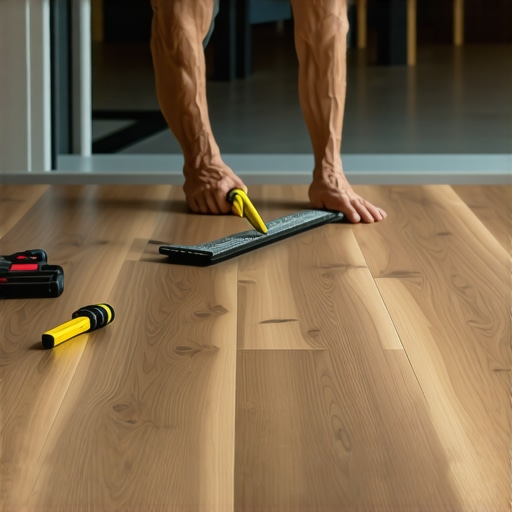
Start by removing debris, nails, and old adhesives. Use a wide, straightedge to identify dips and humps. For instance, I once taped a 4-foot level across the surface and spotted a noticeable dip that would cause future squeaks. Mark uneven areas with chalk for easy reference.
Apply Self-Leveling Compound Effectively
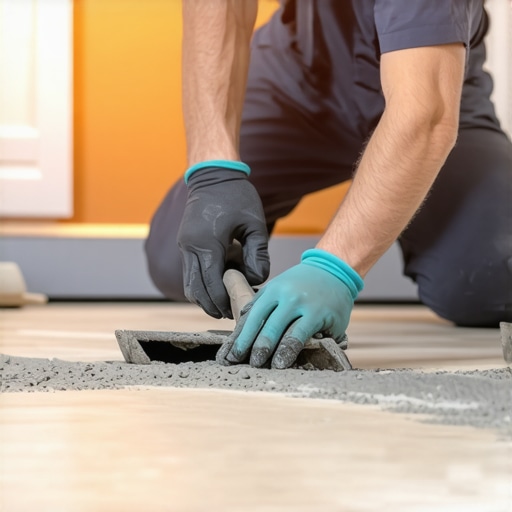
Mix the compound according to manufacturer’s instructions, ensuring the right consistency—think of it as pancake batter: not too runny, not too thick. Pour the mixture starting from the lowest point, working your way out. I poured a small pool, then used a trowel to spread, smoothing as I went. This technique creates a flat surface crucial for durable flooring.
Timing Matters: Watch for Proper Curing
Allow the compound to cure fully—usually 24 hours—before proceeding. Rushing this step is like trying to build on quicksand. Once cured, recheck the surface with a level; minor imperfections can be sanded smooth with fine grit if needed.
Use Thresholds and Transitions Smartly
When transitioning between different flooring types, install thresholds to accommodate height variations. This prevents uneven edges and reduces stress on the laminate planks, extending their lifespan. I added a aluminum transition strip during my project, which stopped future creaks and shifted the focus to proper installation techniques.
Lay Down the Laminate Carefully
Start in a corner with the tongue side facing the wall. Use spacers to maintain expansion gaps—about ¼ inch—around the perimeter. Lock the planks using gentle taps with a tapping block and hammer. Think of it like fitting puzzle pieces: patience and precision are key. Misaligned planks can cause gaps or buckling over time.
Check Alignment Periodically
Every few rows, step back and ensure the planks are parallel and snug. This habit prevents slight misalignments from accumulating. During my install, I used a chalk line to verify straightness, which saved headaches later.
Finish with Proper Trimming and Baseboards
Remove spacers and install baseboards or moldings to cover expansion gaps. Do not screw them tightly to the floor; leave room for natural expansion. I learned that overly tight baseboards can press against the flooring and cause bowing or cracking—something no one wants to fix later.
By following these steps with attention to detail, your laminate flooring will not only look professional but also stand up to everyday wear for years. Proper preparation, precise leveling, and careful installation form the backbone of lasting flooring results.
When it comes to home upgrades like carpet, showers, floor leveling, and laminate flooring, many homeowners rely on conventional wisdom or assumptions that can lead to costly mistakes. Let’s dig deeper into some misconceptions and subtle pitfalls that even experienced DIYers might overlook. Understanding these nuances ensures your project not only looks good initially but also stands the test of time.
Why Believing More is Better Can Backfire
One prevalent myth is that using excessive adhesive or sealant guarantees durability. For instance, some think sealing every seam in a shower prevents leaks. However, over-application traps moisture, causing mold and deterioration over time. Skilled professionals know that using the right amount of product and proper installation techniques—like strategic waterproofing—are more crucial than sheer quantity. Interested in durable shower solutions? Check out specialist tips for lasting bathroom upgrades.
How Do Advanced Floor Leveling Techniques Make a Difference?
Many assume that a quick skim of self-leveling compound suffices. But an improper mix or neglecting substrate preparation causes uneven surfaces, leading to squeaks and uneven wear in laminate floors. Advanced levelling involves meticulous substrate assessment, proper mixing, and gradual curing processes that many skip. For example, installing laminate over an uneven subfloor speeds up wear and shortens the floor’s lifespan. To master this, I recommend reviewing expert laminate leveling strategies. Remember, patience and precision here are your best allies.
Common Pitfall: Ignoring Subfloor Compatibility in Carpet Installations
Some believe that high-quality carpet can hide subfloor imperfections. Not true. Overlooking subfloor condition—such as uneven surfaces, old adhesive residues, or moisture problems—can result in wrinkles, buckles, and premature wear. Ensuring the subfloor is properly prepared with leveling and thorough cleaning is vital. The right approach improves both comfort and durability. For insights on creating a solid foundation, see professional carpet installation tips. Remember, small details in prep work pay big dividends in performance.
Why This Tiny Mistake Ruins Your Laminate Project
A common oversight is ignoring expansion gaps or not locking planks correctly. It might seem minor, but improper gap sizing causes buckling later. Similarly, rushing locks or misaligning planks leads to gaps and creaks. Mastering proper techniques—like using spacers and double-checking alignment—prevents these issues. Experts emphasize that precision here sustains the floor’s appearance and stability. For comprehensive guidance, explore expert laminate installation advice. Don’t let a small mistake become a big headache later.
In summary, recognizing that the devil is in the details can save you time, money, and frustration. Common wisdom is useful, but always dig deeper, especially when it comes to foundational steps like leveling, waterproofing, or preparation. Remember, a well-informed DIY can rival professional results if they understand these hidden nuances. Have you ever fallen into this trap? Let me know in the comments.When it comes to keeping your home upgrades with carpet, showers, or laminate flooring in top shape, having the right tools and knowing how to maintain your work over time can make all the difference. From precise leveling compounds to specialized cleaning equipment, the tools I recommend are chosen for their durability and reliability—both crucial for long-term results.
A high-quality **oscillating multi-tool** has become my go-to appliance for removing old adhesive residues or fine-tuning transitions between different flooring types. Its versatility allows me to cut, sand, and scrape with precision, saving time and preventing damage to surrounding materials. Personally, I rely on brands like Milwaukee or Dremel, which offer variable speeds and durable blades—these ensure clean, controlled work every time.
For **floor leveling**, I invest in a **self-leveling compound mixer** that ensures uniform consistency. This eliminates the risk of uneven curing caused by poorly mixed compounds, which apprehensive DIYers might overlook. I use a drill-mounted paddle mixer to achieve that perfect, lump-free mixture, which is essential for a flat surface. Over the years, consistent mixing technique has proven to produce significantly better long-term results, reducing the need for repairs or releveling.
When it’s time for **annual maintenance**, I focus on **cleaning solutions** that preserve the integrity of both laminate and shower surfaces. For laminate floors, a microfiber mop combined with a pH-neutral cleaner like Bona is my staple—it gently removes dirt without damaging the finish. For showers, I prefer non-abrasive scrubbers and specialized anti-mold sprays, which help prevent buildup that can lead to premature deterioration.
Looking ahead, I predict that with the rise of **smart home maintenance systems**, we’ll see IoT-enabled sensors that monitor moisture levels, floor stability, and even grout aging, providing early alerts before problems become noticeable. While this tech is still emerging, integrating simple moisture meters during initial installation can serve as a proactive approach to maintenance.
#### How do I maintain my flooring and bathroom upgrades over time?
Start by routinely inspecting high-traffic areas for signs of wear or damage. For raised grout lines, gentle scrubbing with a brush and anti-mold solution keeps them sealed and prevents moisture intrusion. Keep laminate surfaces free of debris and avoid excessive water exposure. Regularly checking expansion gaps during routine cleaning helps ensure they remain unobstructed, preventing buckling or gaps.
To stay ahead, I recommend setting a calendar reminder for a quick annual check-up—reassuring you that your investment remains protected. As I practice, I also keep a dedicated toolkit with spare blades, leveling compound, and cleaning supplies on hand, simplifying quick fixes.
Try incorporating a **self-leveling compound mixer** into your next project and observe how much smoother your installation process becomes—it’s a real game-changer that pays off in longer-lasting results. For a deep dive into preventive care, this article offers expert guidance on maintaining durable surfaces: https://floorcraftstore.com/expert-floor-leveling-carpet-install-tips-for-long-lasting-durability.
Lessons That Changed My Whole Approach to Flooring
One of the biggest realizations I had was realizing that perfection isn’t just about looks but about long-term performance. I used to think minor dips didn’t matter, but those small imperfections can lead to squeaks and uneven wear over time. The lightbulb moment was understanding that each step, from cleaning the subfloor thoroughly to carefully curing the leveling compound, has a domino effect—skip one, and the whole project suffers.
Another revelation was the importance of patience. Rushing the curing process or neglecting proper expansion gaps might seem like time-savers initially, but they’re often costly lessons learned later. Taking the extra hours to measure, double-check, and let each layer set properly pays off when your floor stays flat and squeak-free for years.
Lastly, I discovered that investing in quality tools, like a reliable mixer or precision spacers, transforms the entire experience. Cheap tools may save money upfront, but they often lead to uneven results and frustration. Upgrading my toolkit turned DIY into a source of pride instead of a headache.
Tools and Resources That Keep My Floors in Top Shape
For anyone serious about lasting results, I recommend a professional-grade self-leveling compound mixer. It ensures a smooth, lump-free mixture—trust me, it makes applying and curing much more predictable. I also swear by a high-quality oscillating multi-tool for detailed cleaning and transitions; brands like Milwaukee or Dremel deliver durability and precision that save time and protect my surfaces.
To stay ahead in home upgrades, I dove into books like this comprehensive guide on floor leveling and laminate installation, which deepened my understanding of substrate assessment and advanced leveling techniques. Additionally, I follow trusted websites and forums where professional installers share tips—continual learning ensures my projects only improve.
Finally, proper maintenance tools, such as microfiber mops and non-abrasive cleaners, keep my laminate floors looking pristine. Regular inspections and quick touch-ups help prevent minor issues from escalating, preserving the investment I made in quality materials and techniques.
Trust Your Gut and Take That First Step
What I’ve learned through my journey is that mastering proper floor leveling and laminate installation isn’t about perfection—it’s about commitment. Every successful project starts with the decision to do it right the first time. Embarking on your own home upgrade might feel daunting, but with the right knowledge and tools, you can transform your space with confidence. Remember, the effort you invest today leads to a durable, beautiful floor that endures for years to come.
So, are you ready to take the plunge and give your home the upgrade it deserves? Share your biggest challenge in home flooring projects below—let’s tackle it together!
http://Michael%20Anderson
Reading through this detailed post really highlights how crucial proper floor preparation is—not just for aesthetics, but for long-term durability. I remember when I first did a DIY laminate install, I skipped step-by-step leveling, thinking I was saving time. The uneven surface caused squeaks and gaps within a few months, and I had to redo parts of it. Now I always use a straightedge and self-leveling compound, especially over older or uneven subfloors. It’s fascinating how tiny dips can lead to bigger issues down the line, like buckling or increased wear.
One thing I’ve found helpful is investing in a decent quality leveling tool and a good mixer for the compound—that makes the process smoother and more predictable. Also, don’t overlook the importance of expansion gaps; I once forgot to leave enough space around the edges and ended up with cracked baseboards. Have any of you encountered hidden imperfections in your subfloors that initially seemed minor but caused problems later? How did you address them effectively to prevent future headaches? Would love to hear your tips or stories on mastering floor prep.