
The ‘Soap Test’ for Finding Hidden Air Leaks in Your Shower Liner
The subfloor secret that ruins luxury bathrooms
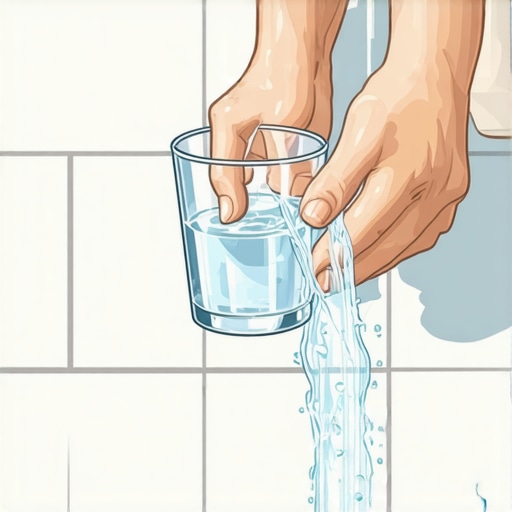
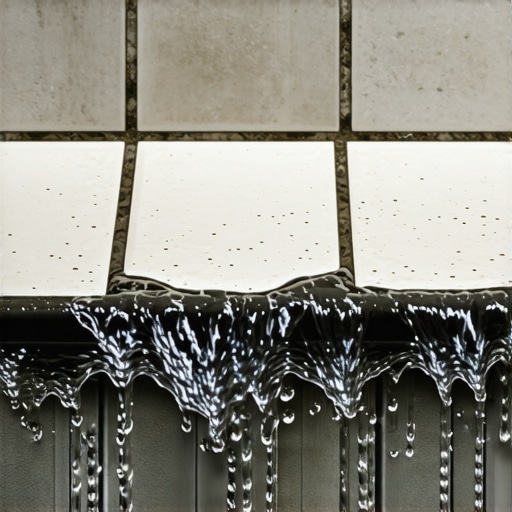
A soap test identifies air leaks in a shower liner by applying a concentrated detergent solution to seams and penetrations while the system is under mild air pressure. This diagnostic method reveals bubbles where the integrity of the waterproofing membrane has failed. Most installers skip the leveling compound. They think the underlayment will hide the dip. It won’t. I spent three days grinding concrete on a job last month just so the floor wouldn’t click like a castanet. That same job had a shower pan that looked perfect but failed a basic pressure test because the corner folds were sloppy. You cannot hide physics with a pretty tile. If the subfloor is not flat to within 1/8 inch over 10 feet, the liner will experience mechanical stress that leads to microscopic tears. When water gets under that liner, it rots the plywood or saturates the slab, leading to a mold nightmare that smells like a wet basement in a Pacific Northwest winter. In places like Seattle or Portland, humidity stays high, meaning a small leak never dries out. It just festers.
The physics of air pressure and membrane failure
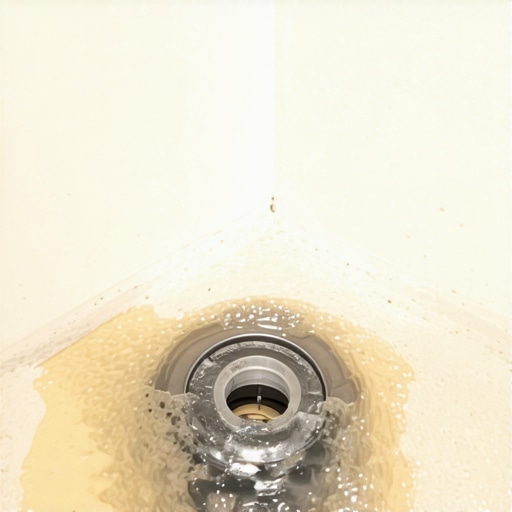
Air pressure testing a shower liner involves plugging the drain and using a low-pressure air rig to verify the seal before thin-set application. When air escapes through a pinhole in a PVC or CPE liner, it creates a visible bubble in the soap solution. This is more effective than a standard 24-hour flood test for finding capillary leaks that only manifest under specific thermal expansion. We are looking for structural integrity at the molecular level. A shower liner is a polymer barrier designed to resist hydrostatic pressure. If the bond at the corner bench or the curb is compromised, the weight of the water in a full shower will force moisture into the framing. This is why floor leveling is non-negotiable. A sloped or uneven subfloor creates tension points in the liner. When you walk on the finished tile, those tension points flex. Over five years, that flex turns into a crack. I have seen laminate floors three rooms away buckle because a shower liner leaked into the subfloor and the water traveled along the joists.
“A floor is only as good as the subfloor beneath it; deflection is the enemy of every joint.” – Master Flooring Axiom
Chemical composition of effective testing solutions
The soap solution used for liner testing must have high surface tension and low evaporation rates to ensure that even the smallest air escape produces a lasting bubble. Using a mixture of high-viscosity dish soap and glycerin creates a film that can bridge small gaps and react to minimal air movement. The chemistry of the liner itself matters here. PVC liners react differently to certain chemicals than EPDM or bonded membranes like Kerdi. You want a pH-neutral soap that will not degrade the plasticizers in the liner. Many guys use whatever is in the truck, but if you use a degreaser, you might actually damage the very seams you are trying to test. The goal is to find the leak, not create a new one through chemical degradation. When we talk about floor leveling in conjunction with these tests, we are ensuring the membrane sits flush against the substrate. A hollow spot under the liner is an air pocket. An air pocket is a failure waiting to happen.
The structural reality of floor leveling in wet zones
Floor leveling ensures that the shower pan and the surrounding bathroom floor provide a stable, flat surface that prevents the waterproofing membrane from stretching or tearing. Using a high-flow self-leveling underlayment creates a monolithic slab that eliminates the dips where water can pool. When I am on a job site, I see installers trying to fix a bad slab with extra thin-set. That is a recipe for disaster. Thin-set is an adhesive, not a filler. It shrinks as it cures. If you have a half-inch dip and you fill it with mortar, that mortar will pull away from the edges as the moisture leaves the mix. Now you have a gap. That gap allows the shower liner to move. Movement leads to friction. Friction leads to leaks. I always tell my apprentices that if you do not spend time with the grinder and the level today, you will spend time with a sledgehammer and a dumpster in three years. This is especially true when transitioning to materials like carpet install or laminate in the bedroom adjacent to the bath. Moisture migration does not stop at the doorway.
| Material Type | Janka Hardness / Durability | Moisture Resistance | Movement Potential |
|---|---|---|---|
| Solid White Oak | 1360 lbf | Low | High |
| Engineered Maple | 1450 lbf | Medium | Low |
| PVC Shower Liner | N/A | Maximum | Moderate |
| Laminate Flooring | AC4 Rating | Varies | High |
The hidden danger of thick underlayment
While most people want the thickest underlayment, too much cushion actually causes the locking mechanisms on LVP or laminate to snap under pressure. A soft subfloor allows the floor to bounce. In a bathroom environment, this bounce can disrupt the transition strip where the hard tile meets the floating floor. This is a contrarian data point that many big-box retailers get wrong. They sell you a 5mm foam pad because it feels good underfoot, but that foam pad is the death of your locking joints. You want a high-density, low-compression underlayment. The same logic applies to the shower. You want a solid, pre-sloped mortar bed or a high-density foam tray. If there is any ‘give’ in the system, the soap test will eventually fail because the movement will break the seals at the drain assembly. The drain flange is the most common failure point. If the floor leveling was not done correctly around the rough-in, the flange will sit at an angle. No amount of silicone or soap testing will fix a crooked flange.
- Clean the liner surface of all sawdust and drywall mud before testing.
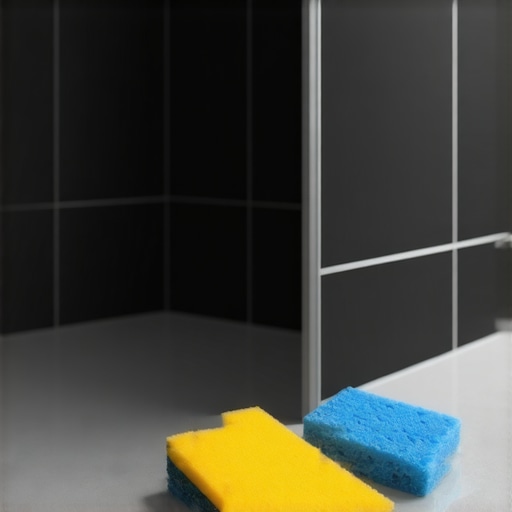
- Apply the soap solution with a clean sponge specifically to heat-welded or solvent-welded seams.
- Pressurize the system to no more than 5 PSI to avoid blowing out the liner.
- Mark any bubbles with a wax pencil for repair.
- Re-test after the patch has cured for at least four hours.
“The integrity of a waterproof assembly is binary; it is either a sealed vessel or a slow-motion demolition of the structure.” – TCNA Handbook Adaptation
Regional moisture challenges in shower installation
The swampy humidity of coastal regions means that even small leaks can lead to rapid structural rot because the wood never reaches an equilibrium moisture content low enough to stop fungal growth. If you are working in a climate like Florida or Louisiana, your subfloor is already under stress from ambient moisture. When you add a leaky shower liner to that equation, you get catastrophic failure in months rather than years. In these areas, I recommend a double-waterproofing approach. I level the floor, install the liner, soap test it, and then apply a liquid-applied membrane over the top of the cement board. It sounds like overkill until you have to tear out a $20,000 bathroom because of a pinhole leak. This is why I distrust ‘all-in-one’ systems that claim you do not need to check the subfloor. The subfloor is the foundation of your reputation. If you are doing a carpet install in an adjacent room, that carpet will act as a wick for any moisture escaping the shower zone. You will smell the failure before you see it.
The ghost in the expansion gap
An expansion gap is required around the perimeter of every floor to allow for the natural movement of the house without putting pressure on the shower curb or the walls. If you jam your tile or laminate tight against the shower base, something has to give when the seasons change. Usually, it is the waterproofing seal. This is the 1/8 inch that ruins everything. I have seen entire bathroom floors lift off the ground because the installer did not leave a gap at the walls. That pressure pushes against the shower curb, which in turn stresses the liner. A soap test might pass on day one, but if the floor is under constant mechanical pressure from a lack of expansion gaps, that liner is going to fail at the corners. Professional installers know that the trim covers the gap, so there is no excuse for a tight fit. We are building a system that needs to breathe and move. A house is a living thing. It expands in the summer and shrinks in the winter. Your shower liner needs to be installed with that reality in mind. Leveling the floor reduces the uneven stresses, but the expansion gap prevents the crushing forces.
Final verification of the shower system
The final step in any professional installation is a dual-phase verification involving both a soap test for air-tightness and a flood test for weight-bearing integrity. Once the soap test confirms that the seams are perfect, we fill the pan with water for 24 hours. This checks the plumbing connections and the sheer strength of the liner under load. If the water level drops even a fraction of an inch, we have a problem. This is where the sawdust under my nails comes from. It is from the constant checking and re-checking. I do not trust the manufacturer’s claims that a product is ‘foolproof.’ The only thing that is foolproof is a systematic test that proves the physics of the room are sound. Whether you are doing a carpet install or a high-end tile job, the preparation of the subfloor and the verification of the waterproofing are the only things that matter. Everything else is just decoration. If the floor is level and the liner is sealed, the bathroom will last fifty years. If not, I will see you in five years for the teardown.