The Real Reason Your New Carpet Is Already Fuzzing and Pilling
I have spent three decades standing behind a counter smelling of floor wax and fresh polyester, watching the same cycle repeat itself. I once had a client come in crying because her expensive plush carpet looked like a molting sheep after just two months. She thought the manufacturer lied to her. The truth was much more mechanical. She had purchased a staple fiber product and used a vacuum set so low it was essentially harvesting the floor for lint. Most people treat carpet like a blanket, but it is a complex engineered system of polymers and primary backings that reacts to every ounce of pressure and friction applied to it. When your floor starts fuzzing, it is not just a cosmetic fluke. It is the physical manifestation of fiber shear and mechanical failure. This guide breaks down the structural physics of why your investment is shedding and how the chemistry of modern textiles dictates the lifespan of your floor.
The molecular betrayal of staple fibers
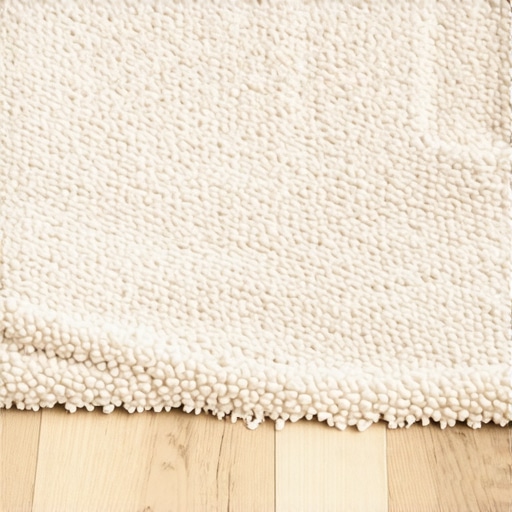
Staple fibers are short strands of yarn woven together to create a full appearance, which naturally leads to fuzzing when mechanical friction is applied. Unlike continuous filament options, these short lengths can be pulled out by vacuuming or simple foot traffic. If you see small balls of fluff on the surface, you are likely dealing with the shedding of these individual segments. This is common in many wool products and some cheaper polyesters. The physics of the twist lock is what keeps these fibers in place. When the twist is loose, the fibers migrate to the surface. This creates a halo effect that eventually turns into pilling. You are not seeing dirt. You are seeing the actual structural depletion of your carpet pile. [image]
Why your subfloor is lying to you
An uneven subfloor creates high spots in your carpet that receive disproportionate amounts of friction, leading to localized pilling and premature wear. I spent three days grinding concrete on a job last month just so the floor would not click like a castanet, and the same logic applies to carpet. If your subfloor has a crown or a dip, the carpet does not sit flat. When you walk over a high spot, the fibers are compressed more aggressively against the backing. This creates a sanding effect from the inside out. Most installers skip the floor leveling compound because they think the padding will hide the imperfection. It will not. The padding eventually compresses, and the carpet is left to bridge the gap. This tension causes the primary and secondary backings to delaminate, which releases the pile and causes the fuzzing you see in high traffic lanes.
The ghost in the expansion gap
Lack of proper tensioning during a carpet install allows the fabric to move and rub against the padding, which generates heat and fiber degradation. A carpet must be stretched to a specific percentage of its width and length using a power stretcher, not just a knee kicker. When a carpet is loose, it creates micro-waves. Every time you step, the carpet moves. This movement creates friction between the carpet backing and the cushion. This friction generates static and heat, which can actually weaken the latex bond holding the fibers in place. If that bond fails, the yarn pulls out in clumps. This is why you see ripples in rooms where the installer was too lazy to use the right tools. A ripple is just a pilling factory waiting to happen.
| Fiber Type | Construction Method | Pilling Risk | Acclimation Time |
|---|---|---|---|
| Staple Polyester | Short Strands | High | 24 Hours |
| BCF Nylon | Continuous Strand | Low | 48 Hours |
| Triexta | Engineered Polymer | Medium | 24 Hours |
| Wool | Natural Staple | Very High | 72 Hours |
The hidden cost of cheap padding
While most people want the thickest underlayment, too much cushion actually causes the locking mechanisms of the carpet backing to fail under pressure. This is a contrarian point that many big-box retailers ignore. They sell you a thick, mushy pad because it feels good for five minutes in the showroom. However, a pad that is too soft allows the carpet to flex too much. Imagine bending a piece of plastic back and forth until it snaps. That is what happens to your carpet fibers at the base when the padding is too thick. You want a high-density pad, not a high-thickness pad. A 7-pound or 8-pound density foam provides the structural support needed to keep the fibers upright. When the fibers stay upright, they take the impact on their tips, which they are designed to do. When they lean over because the pad is too soft, they take the impact on their sides, which leads to immediate pilling.
“A floor is only as good as the subfloor beneath it; deflection is the enemy of every joint.” – Master Flooring Axiom
The chemistry of the sticky trap
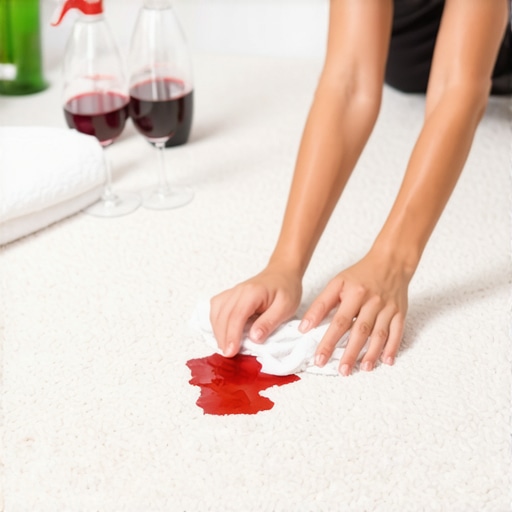
Improper cleaning agents leave a chemical residue on the fibers that acts like an adhesive for grit, accelerating the abrasion that causes pilling. Most homeowners use too much soap when they try to spot clean. That soap never fully comes out. It stays on the fiber and attracts household dust and outdoor pollutants. This creates a slurry that acts like liquid sandpaper. As you walk, this grit grinds against the yarn. This is not a simple stain. It is a chemical breakdown of the fiber’s protective coating. Once the coating is gone, the fiber becomes porous and weak. This is why certain areas of your home might be pilling while others look brand new. It is often a result of localized chemical contamination from over-the-counter cleaners.
- Check your vacuum beater bar height to ensure it is not digging into the backing.
- Verify that the installer used a power stretcher on all four walls.
- Ensure the subfloor was checked for moisture before the padding was laid down.
- Avoid using high-residue surfactants for small spill cleanups.
- Rotate furniture every six months to redistribute the weight on the subfloor.
The vertical shear of the vacuum beater bar
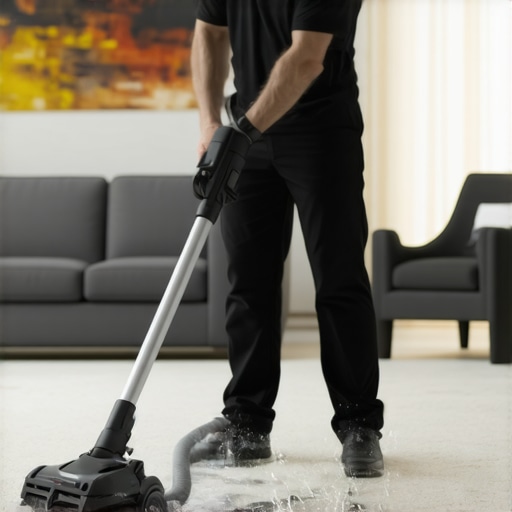
Aggressive vacuuming with a beater bar set too low is the primary cause of mechanical pilling in modern residential carpets. The beater bar is designed to vibrate the carpet to loosen dirt, but if it is in direct contact with the fibers, it acts like a giant abrasive brush. It rips at the tips of the yarn. For high-pile or soft-yarn carpets, this is a death sentence. You need a vacuum with adjustable height. If you hear the vacuum motor straining, you are too low. You are essentially shaving your carpet. This mechanical stress breaks the individual filaments in a yarn bundle. Once broken, they lose their integrity and tangle with neighboring fibers, forming the pills that ruin the aesthetic of the room. This is especially true in regions with high humidity like Houston or Florida, where the fibers can become slightly more pliable and susceptible to damage.
“Proper carpet installation requires a minimum stretch of one to one and a half percent in both directions to prevent late-term delamination.” – NWFA Standard Adaptation
The physics of the shower transition
Moisture migration from bathroom showers can seep under carpet transitions, weakening the adhesives and causing the carpet to fuzz at the edges. If you have carpet butted up against a tiled shower or bathroom, the humidity levels in that specific zone are much higher. This moisture can penetrate the secondary backing of the carpet. Most installers fail to seal the edges of the carpet at these transitions. Without a proper seal, the moisture wicks into the primary backing and softens the latex. This allows the fibers to pull away from the tack strip. You will notice the carpet starting to look frayed or fuzzy right where it meets the tile. This is a failure of moisture management, not a defect in the carpet itself. Always ensure a transition strip is used that protects the cut edge of the carpet from ambient bathroom steam.