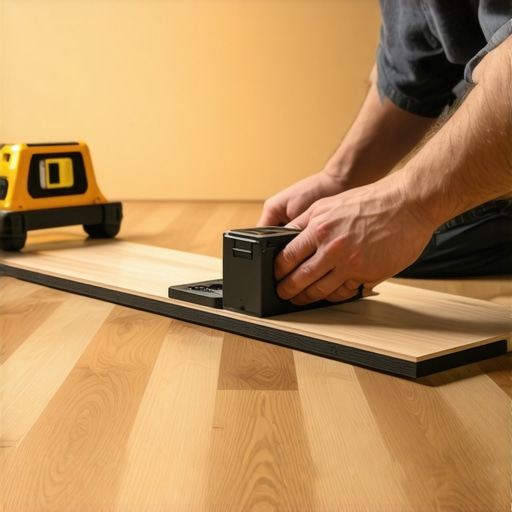
Ever spent hours trying to fix a squeaky, uneven laminate floor only to realize months later it’s worse than when you started? I’ve been there. My first attempt at leveling my floors was a total mess—uneven patches, gaps, and a nightmare to walk on. It was a lightbulb moment for me: I was rushing the prep work and skipping crucial steps. That mistake cost me time, money, and some serious frustration. But I learned that the secret to a long-lasting home upgrade isn’t just about choosing the right materials—it’s about mastering the fundamental techniques of floor leveling and laminate installation.
Why Proper Floor Leveling Makes All the Difference
When I finally took the time to understand the ins and outs of leveling, everything changed. A smooth, durable surface isn’t just about aesthetics; it’s about preventing future issues like cracking, buckling, or even uneven wear. According to industry experts, improper leveling can reduce the lifespan of your flooring by years. That’s why I want to share the essential tips I’ve gathered so your project becomes a success story, not a lesson learned the hard way. If you’ve faced uneven floors or worried about future repairs, don’t fret. I’ll walk you through proven strategies and help you avoid common pitfalls. And if you’re wondering whether all this effort is worth it, check out how [floor leveling can boost your home’s value](https://floorcraftstore.com/top-floor-leveling-shower-solutions-for-lasting-home-value).
Is Floor Leveling Really Worth the Hype?
Trust me, I used to think a little unevenness was no big deal. But early on, I made a critical mistake—skipping the proper assessment of my subfloor. This oversight led to a bouncy, squeaky floor that I had to redo later. Learning from that, I now emphasize thorough inspection and preparation, which pays off big time in the end. Proper leveling isn’t just a step—it’s the foundation of long-lasting durability. Curious about the best techniques? I’ll share detailed steps and insider tips to make your project a breeze.
Ready to get started? Let’s dive into the core strategies that will help you achieve a flawless, durable laminate floor that stands the test of time. And remember, taking the time to do it right now saves you headaches and repairs down the road.
Start with a thorough assessment of your subfloor
Before diving into leveling, I learned to inspect my subfloor carefully. I used a long straightedge and a level tool to identify high spots, dips, and uneven areas. Once I spotted the uneven patches, I marked them clearly. This step is crucial because skipping it can lead to more work later. For example, during my first attempt, I overlooked a dipping corner, which later caused my laminate to buckle. Proper inspection ensures you know exactly what needs correction and saves you time in the long run.
Prepare your workspace and gather materials
Next, I cleared the room and removed all furniture. I gathered supplies like self-leveling compound, a trowel, a mixing bucket, a primer, and a quality spackle or patching compound. Think of this as preparing ingredients for a recipe—quality matters. When I first started, I used cheap patching compounds, which didn’t bond well, leading to cracks. Investing in good materials guarantees a smoother finish and longer durability. For detailed tips on choosing the right products, check out laminate flooring leveling tips.
Apply primer and prepare the leveling compound
I applied a primer to the subfloor to improve adhesion. Then, I mixed the self-leveling compound according to the manufacturer’s instructions. The key here is to work quickly and consistently—stir thoroughly to avoid lumps. When I first did this, I underestimated the mixing time, which caused uneven setting. Proper mixing and application ensure a flat surface that supports your laminate perfectly. Remember, patience during mixing translates into a flawless finish later.
Pour and spread the leveling compound evenly
I poured the mixture starting at the lowest point, then used a trowel to spread it out in a smooth, sweeping motion. Imagine pouring pancake batter—start at the center and let it flow outward. During my initial pour, I didn’t work fast enough, resulting in uneven thickness. To avoid this, work in sections and use a long trowel to feather the edges. This creates a seamless, level surface ready for your laminate.
Smooth out bumps and ensure full coverage
After pouring, I used a long straightedge or a screed to level the compound further. I dragged it across the surface, checking for high spots or dips. I also double-checked with a level to ensure the surface was flat. During my first try, I missed a small dip, which caused a slight bounce in my laminate. Double-checking with a level and adjusting as needed guarantees that your subfloor is truly even, preventing future issues like squeaks or cracks.
Allow sufficient curing time
Once the compound was spread, I let it cure for at least 24 hours before walking on it or installing laminate. Rushing this step can lead to cracks or uneven settling. During my first attempt, I was impatient and stepped on the surface too soon, which marred the finish. Patience is essential to ensure the compound fully hardens and bonds properly, providing a durable foundation. For more detailed curing tips, visit expert leveling tips.
Sand and clean before installing laminate
After curing, I sanded any rough patches and cleaned the surface thoroughly. Dust and debris can interfere with laminate adhesion, so I vacuumed and wiped everything down. This final step is often overlooked but vital for a flawless finish. When I skipped it, my laminate had visible imperfections. Taking time for prep ensures your new flooring stays beautiful and functional for years to come.
While many DIY enthusiasts believe that a quick fix or shortcut can save time and effort, this mindset often leads to costly mistakes in floor leveling projects. One of the most pervasive myths is that all self-leveling compounds are created equal. In reality, choosing the wrong product or neglecting proper surface preparation can result in cracks, uneven surfaces, or even failure of the leveling layer. For instance, some products are not suitable for high-moisture environments, which can compromise the entire flooring over time. To ensure your project’s durability, focus on selecting high-quality materials and following manufacturer guidelines meticulously. For expert-approved product options, visit this resource for detailed comparisons.
Another misconception is that minor imperfections don’t matter. Many assume that a few small dips or bumps are negligible, but in fact, these subtle flaws can cause significant issues once you install your laminate flooring. Uneven surfaces can lead to squeaks, cracks, or buckling down the line, ultimately reducing your floor’s lifespan. It’s essential to address even slight irregularities during the prep stage, using a straightedge and level to spot and correct these issues before proceeding. Remember, taking the time to perfect your subfloor now pays off with a smooth, long-lasting finish.
How can advanced techniques improve your floor leveling results?
For experienced DIYers, employing techniques like multiple passes with a trowel or using a primer to enhance adhesion can make a significant difference. These methods help achieve a more uniform surface, especially over larger areas. Additionally, understanding the importance of proper curing time and environmental conditions during drying can prevent future problems. According to industry experts, such as those cited in this guide, patience and precision during application are key to flawless results. Skipping these nuanced steps often leads to rework and added costs, so don’t underestimate the power of meticulous preparation.
Have you ever fallen into this trap? Let me know in the comments. Remember, mastering these subtle nuances distinguishes a professional outcome from a mediocre one. By understanding and applying advanced techniques, you ensure your laminate floor remains beautiful and durable for years to come.
Keeping your laminate flooring in top shape requires more than just initial installation expertise. Investing in the right tools and adopting a consistent maintenance routine can significantly extend the life of your floors. In this article, I’ll share the specific equipment I personally rely on and how to develop a long-term care plan that prevents issues before they start.
My Preferred Tools for Maintaining Laminate Floors
First, a high-quality microfiber mop is indispensable. I prefer the microfiber variety because it traps dust and dirt more effectively without scratching the surface. Regular sweeping with a soft broom is also crucial; I use a microfiber dust mop for daily cleaning, which keeps debris from scratching the finish. For deeper cleaning sessions, I rely on a damp mop with a manufacturer-approved laminate floor cleaner, such as those recommended in this guide. Avoid excessive water, which can cause swelling or warping over time.
Another tool I swear by is a laminate floor repair kit. Minor scratches and dents are inevitable, but with a repair pen or filler that matches my floor’s color, I can quickly restore its appearance. For stubborn stains or grime, I use a soft-bristled brush to gently scrub, ensuring I don’t damage the finish. Additionally, I keep a pair of soft felt pads on hand to prevent furniture legs from scratching or denting the surface during regular use.
How to Keep Your Floors Looking New Over Time
Consistent maintenance is key. I recommend establishing a routine that includes sweeping or dust mopping at least twice a week and damp mopping monthly. Also, placing mats at entry points minimizes dirt and moisture ingress, which can damage the finish. For high-traffic areas, consider using protective pads on furniture legs to avoid scratches. Regularly inspecting your floors allows you to catch problems early, like loose planks or surface scratches, before they worsen.
In the future, I predict that smart cleaning devices, such as robotic vacuums with gentle brushes, will become standard for laminate upkeep. These devices can be programmed to clean daily, reducing the risk of dirt buildup and extending the time between deep cleanings. For now, however, a combination of manual tools and proactive care remains the best approach.
How do I maintain laminate flooring over time?
To maintain your laminate floors effectively, avoid using harsh chemical cleaners that can strip the finish. Instead, opt for pH-neutral cleaning solutions designed specifically for laminate surfaces. Regularly check for signs of wear or damage, such as loose planks or scratches, and address them promptly. Applying furniture pads and avoiding dragging heavy objects across the surface also helps prevent unnecessary damage. For more detailed advice, see these expert tips. Additionally, scheduling periodic inspections and touch-ups ensures your floors stay pristine for years to come. Develop a routine that fits your lifestyle and stick to it—your floors will thank you for it. Remember, a little maintenance now can save you costly repairs later, making your investment worthwhile.
The Hardest Lesson I Learned About Floor Leveling
One of my biggest lightbulb moments was realizing that rushing through subfloor assessment and prep often leads to repeating the entire process. It’s tempting to skip detailed inspection, but those small dips and high spots can cause massive headaches later. Taking the time to identify and correct these issues upfront saved me from costly reworks and frustration down the line.
3 Myths About Floor Leveling That Held Me Back
I used to believe that all self-leveling compounds are created equal, which isn’t true. Choosing the wrong product for your environment or skipping surface preparation can lead to cracks and uneven flooring. Also, I thought minor imperfections didn’t matter, but even tiny dips can cause squeaks and buckling once you lay your laminate. Busting these myths early on made my project smoother and more durable.
What Industry Experts Won’t Tell You About Achieving a Perfect Level
Patience and meticulous attention during application are often overlooked. Experts swear by multiple passes with a trowel and respecting curing times. Rushing these steps can compromise your entire floor’s longevity. I learned to work in sections, work quickly but carefully, and always give the compound adequate time to cure for best results. These tips made a world of difference in my final finish.
Curated Tools That Saved My Laminate Floors
Investing in a high-quality straightedge and a good level was a game-changer. I relied on a durable, long straightedge to check for dips and high spots, ensuring my subfloor was truly flat. A reliable primer and a top-quality self-leveling compound from trusted brands helped me avoid cracks and uneven settling. For maintenance, a microfiber mop and soft repair kits kept my floors looking new and durable over time. These tools are worth the investment for any DIY flooring project.
Take the Leap and Transform Your Space
Remember, mastering the art of floor leveling isn’t just about aesthetic perfection—it’s about creating a foundation that lasts. With patience, the right tools, and attention to detail, you can achieve a flawless laminate floor that stands the test of time. Don’t let fear or doubt hold you back—your dream home upgrade is within reach. If you’ve ever hesitated at any step, share your experience below and let’s troubleshoot together!
http://Rachel%20Johnson
I really appreciate this thorough breakdown of floor leveling. I remember rushing through a similar project because I thought it was an unnecessary step, only to have my laminate squeak and buckle after a few months. Now I see how critical that initial prep work is, especially the inspection phase. I found that using a long straightedge was a game-changer—it made visualizing the imperfections so much easier. One thing I learned early on is how important it is not to rush the curing process; impatience almost always leads to flaws in the final finish. Has anyone here tried any innovative tools or techniques for speeding up the leveling or curing stages without sacrificing quality? I’d love to hear new tips or personal experiences that can help us all avoid those common pitfalls.
http://Steven%20Parker
I totally relate to the importance of patience in floor leveling. Rushing through the curing process especially can cause big issues down the line, like cracks or uneven settling. One thing I found helpful is to invest in a good quality space heater or dehumidifier, especially if you’re working in cooler or humid environments. These tools can accelerate drying and curing times quite safely if used properly, and I’ve had better results compared to just waiting recklessly. Also, using a vibrating paddle or a manual grout float when mixing the leveling compound can help eliminate air bubbles, making the surface even smoother and more durable. Has anyone tried these methods or used other tech gadgets to improve accuracy and speed without compromising quality? It’s fascinating how small adjustments can lead to such professional results—looking forward to hearing about others’ experiences and tips for making the process more efficient.