How to Remove Stubborn Carpet Glue from an Old Concrete Subfloor
The physics of a ruined subfloor
Most guys skip the leveling compound. They think the underlayment will hide the dip. It won’t. I spent three days grinding concrete on a job last month just so the floor wouldn’t click like a castanet because the previous installer left a layer of yellow carpet glue that looked like a topographic map. If you think you can just slap a new laminate floor or a shower base over old adhesive, you are inviting a structural failure into your home. A floor is a precision engine. Every layer must be perfectly calibrated. When you have old carpet glue bonded to a concrete slab, you aren’t just dealing with a mess. You are dealing with a chemical and physical barrier that prevents your new floor from achieving its design intent.
The yellow death and the black tar
Removing carpet glue requires identifying whether you are dealing with water-based yellow adhesive, multi-purpose tan mastic, or the dangerous black cutback adhesive from the mid-twentieth century. Each substance has a different molecular density and requires a specific thermal or chemical strategy to break its bond with the concrete pores. If the glue is yellow and brittle, it is likely a standard synthetic latex. If it is black, stop everything. That black stuff often contains asbestos fibers. You do not grind that. You do not sand it. You wet-scrape it following strict abatement protocols to prevent those fibers from becoming airborne and entering your lungs. The chemistry of these adhesives changed significantly over the decades. The older solvent-based glues are stubborn because they seeped deep into the capillary structure of the concrete, effectively becoming part of the slab itself.
The razor edge of the walk behind scraper
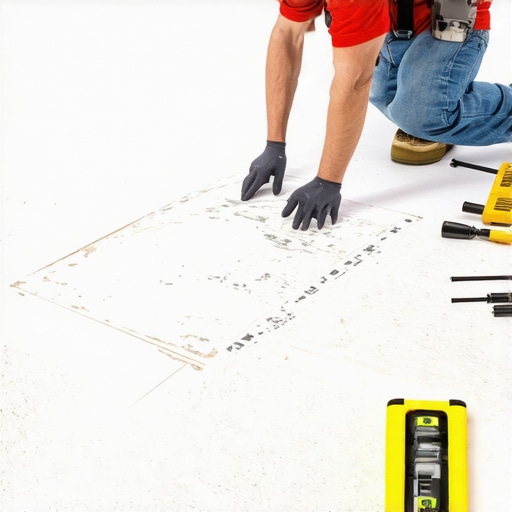
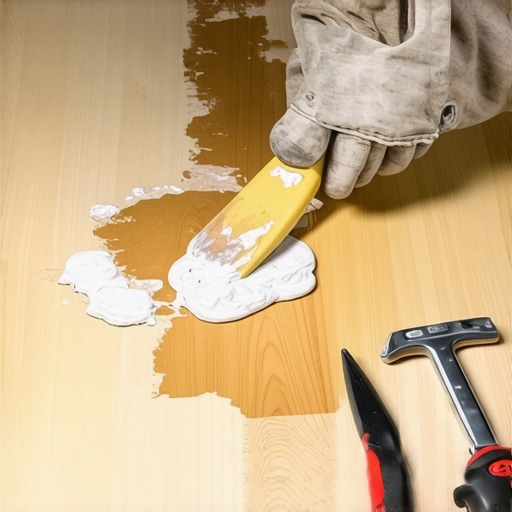
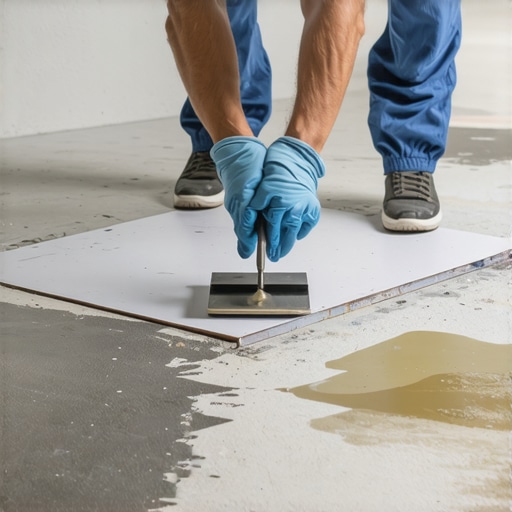
A manual floor scraper is the primary tool for removing bulk adhesive from concrete because it uses mechanical shear force to sever the bond at the surface level. You need a heavy duty scraper with a replaceable high-carbon steel blade. I prefer a four inch blade on a long handle for leverage. You have to get the angle right. If the angle is too steep, the blade digs into the concrete. If it is too shallow, it just slides over the glue like a skater on ice. You are looking for that sweet spot where the blade gets under the skin of the adhesive and peels it back in sheets. It is backbreaking work. Your shoulders will burn. Your palms will blister. But it is the only way to ensure the concrete is clean enough for the next phase of your floor leveling project. Every bit of residue left behind is a potential point of failure for your new laminate or LVP. [image_placeholder_1]
“A floor is only as good as the subfloor beneath it; deflection is the enemy of every joint.” – Master Flooring Axiom
Why your subfloor is lying to you
The concrete slab might look flat to the naked eye but a ten foot straightedge will reveal the truth of high spots and low valleys created by residual glue. Even a layer of adhesive as thin as 1/32 of an inch can cause a floating floor to bounce. That bounce is the sound of your locking mechanisms slowly snapping. Over thousands of footfalls, that tiny gap creates a repetitive stress that the plastic or HDF tongue was never meant to handle. You might think a thick underlayment will save you. It won’t. In fact, while most people want the thickest underlayment, too much cushion actually causes the locking mechanisms on LVP to snap under pressure because it allows for too much vertical movement. You need a flat, hard surface. That means every single speck of glue must go.
| Removal Method | Effectiveness | Labor Intensity | Risk Factor |
|---|---|---|---|
| Manual Scraping | High | Extreme | Low |
| Chemical Stripper | Medium | Moderate | Fumes |
| Diamond Grinding | Total | High | Silica Dust |
| Heat Gun | Low | High | Fire Hazard |
The chemical bond that refuses to die
When mechanical scraping fails you must transition to chemical solvents or citrus-based strippers that penetrate the adhesive matrix to liquefy the resins. This is where things get messy. You apply the stripper and let it dwell for thirty to sixty minutes. You have to keep it wet. If the stripper dries out, the glue re-hardens into a plasticized sludge that is even harder to remove than the original. I have seen guys try to use gasoline or kerosene. Do not do that. You will blow your house up or permanently stink up the concrete. Use a soy-based or citrus-based product. They are slower but they do not have the volatile organic compounds that will melt your brain. Once the glue is soft, you scrape it into a pile and use an absorbent like kitty litter or sawdust to soak up the liquid mess. Then you scrub the slab with a stiff brush and water to neutralize the residue.
The mistake that kills new laminate
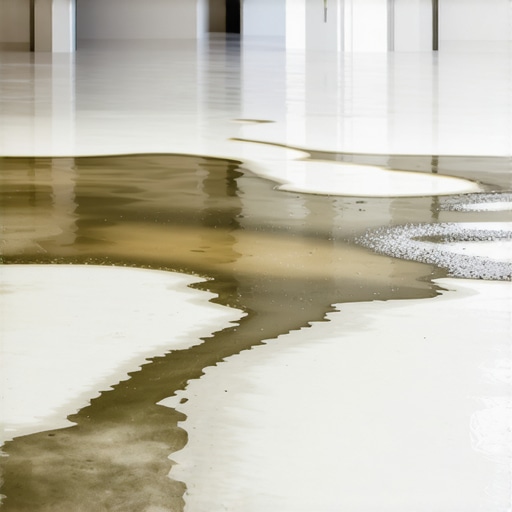
Moisture vapor emission through the concrete slab can react with residual carpet glue to create a foul-smelling soup that will rot your new flooring from the bottom up. Concrete is a sponge. It breathes. If you trap old glue under a moisture barrier or a new laminate floor, the alkalinity of the concrete combined with moisture will break down the old adhesive. This process often releases gases. If you have ever walked into an old basement that smells like dirty socks and chemicals, you are smelling the decomposition of old floor glue. This is why some pros insist on a full diamond grind. A floor grinder with 30-grit metal bond segments will strip the concrete back to a virgin surface. It opens the pores and removes the top layer of contaminated laitance. It is dusty and expensive but it is the gold standard for a reason. If you are doing a high-end carpet install or a tile job in a shower, you cannot afford a bond failure at the subfloor level.
A checklist for subfloor survival
- Test for asbestos if the adhesive is black or dark brown.
- Check the concrete moisture content using a calcium chloride test.
- Ensure the room is well ventilated if using any liquid solvents.
- Use a ten foot straightedge to identify dips greater than 3/16 inch.
- Vacuum the surface with a HEPA filter to remove all silica dust.
- Seal the concrete with a high quality primer if residual staining remains.
The ghost in the expansion gap
Expansion gaps at the perimeter of the room are the only thing allowing your floor to move as the seasons change and the humidity fluctuates. If you leave old glue clumps near the baseboards, your new floor will snag on those bumps. A floor that cannot expand will buckle. It will peak at the seams. It will look like a disaster within six months. I have seen $20,000 hardwood jobs ruined because the installer was too lazy to scrape the last two inches of glue near the wall. You have to be meticulous. Use a small hand chisel for the corners. Use a wire brush for the edges. You are building a foundation. You are an architect of the walking surface. Treat the concrete like a canvas. If the canvas is dirty, the painting will crack. No amount of fancy trim or expensive transition strips can hide a subfloor that was prepped by a hack. Do the work now or pay for it later when the floor starts to groan under your feet. “, “image”: {“imagePrompt”: “A close-up high-resolution photo of a professional heavy-duty floor scraper removing thick yellow carpet glue from a grey concrete subfloor, showing the texture of the glue peeling away and the clean concrete underneath. Natural work-site lighting with dust particles visible.”, “imageTitle”: “Professional Floor Scraper on Concrete”, “imageAlt”: “A floor scraper removing stubborn yellow carpet adhesive from a concrete slab.”}, “categoryId”: 0, “postTime”: “”}