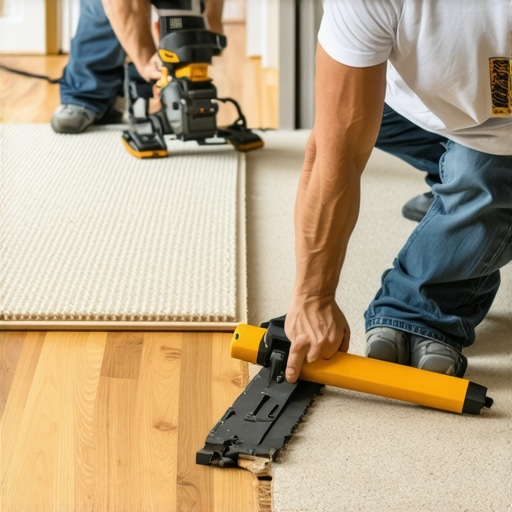
I remember the first time I tried to install a new carpet in my living room. I was so eager to refresh the space, but within months, I noticed it was uneven, wrinkled, and prone to cracking. That lightbulb moment taught me a hard lesson: even the most beautiful carpet can fail if the floor beneath isn’t properly prepared. Since then, I’ve learned that the secret to long-lasting, durable flooring isn’t just about choosing the right materials—it’s about expert-level floor leveling and installation techniques that stand the test of time.
Why Proper Floor Leveling Matters More Than You Think
Before I dive into the tips, let me ask you—have you ever experienced a wobbly tile, a creaking hardwood, or a carpet that just doesn’t sit right? These issues often stem from one overlooked factor: uneven subfloors. A floor that isn’t level can cause your new flooring to buckle, crack, or wear out prematurely. According to industry experts, improper floor leveling can reduce the lifespan of your flooring by up to 50%. That’s a staggering number, and it’s why getting this step right is crucial if you want your investment to last.
Is Skipping Floor Leveling Actually Worth the Hype?
Early in my DIY days, I made the mistake of skipping the floor leveling process because I thought it was a minor detail. Big mistake. Not only did it lead to uneven surfaces, but it also caused my carpet to develop unsightly wrinkles over time. Trust me, the short-term savings are not worth the long-term headache. Proper leveling isn’t just about aesthetics; it’s about creating a solid foundation for lasting durability. For detailed strategies, I recommend checking out this comprehensive guide to expert carpet floor leveling.
Now that I’ve shared my story, let’s get into the practical tips that will help you achieve flawless, durable flooring results. Whether you’re installing carpet, laminate, or tile, these foundational steps will save you time, money, and frustration in the long run.
Prep the Subfloor Like a Pro
My first big mistake was rushing into laying the carpet without proper subfloor prep. I learned that cleaning, repairing, and thoroughly inspecting the surface is crucial. Remove all debris, loose particles, and old adhesives. Use a putty knife and patching compound to fill cracks and holes. Think of it as laying a foundation for a house; if it’s uneven, everything built on top will suffer. For detailed strategies, check out this guide.
Choose the Right Leveling Compound
Selecting an appropriate self-leveling compound is vital. I opted for a high-quality, quick-setting product that flows easily and levels itself out. Mix it according to the manufacturer’s instructions, and pour it onto the floor starting from the lowest points. Use a trowel or a squeegee to spread it evenly. The goal is a flat, smooth surface that mimics a mirror. Remember, a poor choice here can lead to cracks and uneven wear, so don’t skimp. For more insights, visit this resource.
Work Methodically and Patience
When I applied the leveling compound, I worked in small sections, pouring and smoothing carefully. It’s like baking a cake—you need patience to let each layer set properly. Overworking the compound can introduce air bubbles or create uneven spots. After pouring, use a long straightedge or a screed to ensure the surface is level. Allow sufficient drying time—skipping this step risks future cracks and uneven flooring. For expert tips, see this guide.
Check Your Work Before Proceeding
Once the compound is dry, I used a spirit level and a straightedge to double-check the flatness. Any high spots or dips can be sanded down or patched again. This step is like tuning a musical instrument; precision here ensures the entire installation will be smooth and durable. Trust me, taking the time to meticulously verify your work saves headaches later. For more detailed procedures, consult this resource.
Finish with a Clean, Prime Surface
After leveling, I cleaned the surface thoroughly to remove any dust or debris, then applied a primer if recommended. A clean, well-prepared surface is the foundation of long-lasting carpet installation. Think of it as preparing a canvas before painting—skimp here can cause adhesion issues and premature wear. Proper preparation ensures your flooring will stand the test of time and look great for years. For detailed finishing tips, visit this guide.
Many homeowners and even seasoned DIY enthusiasts often fall prey to certain myths and misunderstandings when it comes to floor leveling. These misconceptions can lead to costly mistakes and compromised flooring durability. Let’s dig deeper into what most people get wrong and how you can navigate these tricky waters with confidence.
Myth: All floor leveling compounds are the same
One of the most prevalent misconceptions is that choosing any leveling compound will do the job. In reality, there are different types of compounds tailored for specific applications. For example, some are quick-setting but may crack over time if used improperly, while others are designed for thicker applications or specific subfloor materials. Selecting the wrong product can result in uneven surfaces or future cracking, which ultimately shortchanges your investment. For precise guidance, I recommend checking out this resource.
The trap of skipping prep work
Many underestimate the importance of thorough preparation. It’s tempting to jump straight into pouring the leveling compound, but neglecting to clean or repair the subfloor can lead to adhesion problems and uneven settling. Dust, debris, and loose particles create weak spots that compromise the entire project. Think of it like preparing a canvas before painting—skimping here ruins the final masterpiece. I’ve seen cases where this oversight caused cracks and dips months later, despite a perfect pour. To master this step, see this detailed guide.
Advanced question: How do temperature and humidity affect floor leveling results?
For those aiming for perfection, understanding environmental factors is crucial. Fluctuations in temperature and humidity can significantly influence drying times and the curing process of leveling compounds. Excess moisture can cause compounds to bubble or crack, while high temperatures might lead to rapid drying, resulting in uneven surfaces. Experts recommend working in controlled environments and following the manufacturer’s instructions precisely. Studies show that temperature and humidity control can improve the longevity and flatness of the finished floor. To ensure your project’s success, check out this comprehensive resource.
Remember, understanding these nuances and avoiding common traps will save you time, money, and frustration. Have you ever fallen into this trap? Let me know in the comments and share your experience!
Maintaining impeccable floor leveling over time requires more than just initial effort; it’s about having the right tools and adopting proven methods to ensure durability and quality. One of my go-to pieces of equipment is a high-precision laser level. Unlike traditional spirit levels, laser levels project a consistent, bright line across the entire surface, making it much easier to identify uneven spots with pinpoint accuracy. I personally rely on the best laser levels for floor leveling recommended by industry pros, and they’ve significantly reduced my troubleshooting time during projects.
Another essential tool is a quality self-leveling compound mixer. Proper mixing is critical—poorly mixed compounds can lead to cracks or uneven surfaces down the line. I use a heavy-duty drill with a paddle attachment, which ensures a smooth, consistent mixture every time. This simple tweak saves me from redoing entire sections, especially when working on larger projects. For optimal results, I follow the mixing tips outlined in this detailed guide.
For surface preparation, I swear by a powerful shop vacuum. Removing dust, debris, and loose particles before applying leveling compounds creates a superior bond and prevents future cracks. A good vacuum with strong suction and a HEPA filter ensures no fine dust particles are left behind. I’ve found that investing in a reliable vacuum pays off in the long run, especially when working on multiple projects over the years. When in doubt, check out this resource for equipment recommendations.
In addition to hardware, software tools like digital moisture meters help me monitor environmental conditions that can impact drying and curing times. Keeping humidity and temperature in check—ideally between 50-70°F and 40-60% humidity—prevents issues like bubbling or cracking. Modern moisture meters are quick and easy to use; I keep one handy during every project. Staying ahead of environmental factors is where expert advice, such as found in this guide, can make all the difference.
How do I maintain floor leveling quality over time?
Long-term maintenance involves periodic inspections, especially if your home experiences seasonal shifts or high humidity levels. Regularly check for signs of settling or cracks, and address minor issues promptly before they escalate. Applying a protective sealant over the leveled surface can also help prevent moisture infiltration and wear. I recommend scheduling an annual review of your flooring, especially in high-traffic areas. Additionally, staying updated on new leveling compounds and techniques via industry blogs and forums will help you adopt the latest innovations. Looking ahead, advancements in smart materials and environmental sensors could revolutionize how we monitor and maintain floor integrity, making DIY upkeep more manageable and reliable. For now, I encourage you to try out a laser level for your next project—precision here makes maintenance much easier down the road. For comprehensive tips, visit this expert guide.
The Hardest Lesson I Learned About Floor Leveling
- Skipping proper subfloor prep can seem like a time-saver, but it often leads to costly repairs and frustration later. I once skipped this step and paid the price with uneven, cracking floors that required redoing everything.
- Choosing the right leveling compound isn’t just about quick setting; it’s about durability and compatibility with your subfloor material. Using a high-quality product made a huge difference in my results.
- Environmental conditions like temperature and humidity can drastically affect drying times and final finish. Working in a controlled environment and following manufacturer instructions helped me avoid cracks and bubbles.
- Investing in precise tools like a laser level and a quality mixer made my work more accurate and less stressful. These tools are game-changers for achieving a perfectly flat surface.
- Long-term maintenance and periodic inspections ensure your flooring stays level and beautiful. Small fixes now can save big headaches in the future.
My Essential Toolkit for Floor Leveling
- Laser Level: For pinpoint accuracy in checking flatness. I rely on trusted brands recommended by industry pros, which significantly reduced troubleshooting time.
- Self-Leveling Compound Mixer: A heavy-duty drill with a paddle attachment ensures a smooth, consistent mixture, preventing cracks and uneven surfaces.
- Powerful Shop Vacuum: Removing dust and debris thoroughly before applying leveling compounds creates a better bond and prevents future cracks.
- Digital Moisture Meter: Monitoring environmental conditions helps maintain optimal drying and curing, ensuring durability over time.
Time to Make Your Next Floor a Masterpiece
Achieving a flawlessly leveled floor isn’t just about aesthetics; it’s about laying a foundation that lasts. With the right techniques, tools, and mindset, you can create a durable, beautiful floor that stands the test of time. Remember, careful preparation and patience are your best allies in this journey. Ready to elevate your flooring game? Share your experiences or ask questions below and let’s build something great together!