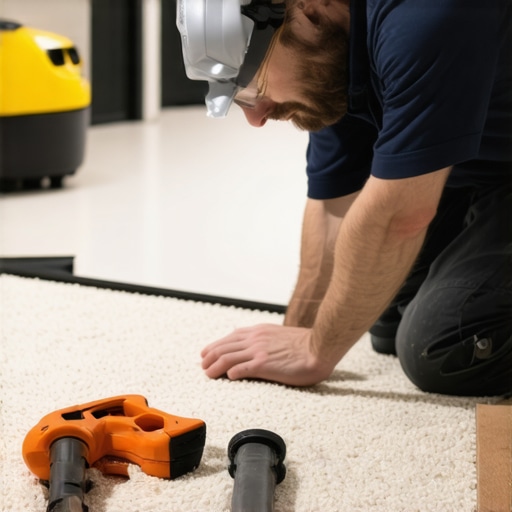
Ever stepped into a room and felt that unsettling wobble under your feet? Or maybe you’ve noticed your newly laid carpet developing unsightly wrinkles within months? I’ve been there. I vividly remember the frustration of investing time and money only to see my floors warp, crack, or sag—until I finally realized that the secret to lasting home beauty isn’t just in the materials, but in how you prepare and install them.
The Hidden Power of Proper Floor Leveling and Expert Carpet Installation
When I first started my home renovation journey, I underestimated the importance of meticulous floor leveling and professional carpet installation. I thought a quick lay-down would do the trick. But soon, I learned the hard way—poor preparation leads to costly repairs down the line. This is why I now swear by expert techniques for floor leveling and carpet installation, ensuring my home remains durable and beautiful for years to come.
Have You Faced This Common Problem?
If you’ve ever experienced uneven floors, carpet bubbles, or cracked tiles, you’re not alone. These issues often stem from inadequate leveling and improper installation, which can compromise your home’s integrity. But don’t worry—there’s a proven way to avoid these pitfalls, and I’m here to guide you through it.
Early in my projects, I made a crucial mistake: I skipped thorough floor assessment and relied on basic leveling compounds. That oversight cost me dearly when my floors started to settle unevenly. The good news? With the right approach, you can prevent this from happening. For an in-depth understanding of what’s involved, check out this comprehensive guide to floor leveling and carpet installation.
In the next sections, I’ll walk you through the essential steps to achieve a flawless, durable finish—saving you time, money, and headaches. Ready to transform your space with confidence? Let’s dive into the details that will make your home stronger and more beautiful.
Prepare Your Surface with Precision
When I tackled my first carpet installation, I learned that surface preparation is the foundation of success. I started by thoroughly cleaning and inspecting the subfloor for any debris, cracks, or dips. Think of it like leveling a boat hull before launching—any unevenness will cause problems later. Use a high-quality floor leveling compound to fill in dips and cracks, ensuring a smooth, stable base. For guidance, check out this comprehensive guide.
Achieve Flawless Floor Leveling
Identify High and Low Spots
Start by using a long straightedge or a laser level across the entire floor. Mark high and low points with chalk. I vividly remember dragging a long level across my living room floor and realizing how much unevenness existed—it was eye-opening. Use a self-leveling compound on low spots and grind down high areas carefully. This step prevents future wrinkles and bubbles in your carpet.
Mix and Apply Leveling Compound Correctly
Mix the compound in small batches, following manufacturer instructions. Pour it into the low areas and spread with a trowel or squeegee, working from the center outward. Allow it to cure fully before proceeding—rushing this step invites issues. Proper curing time ensures stability, preventing future settling and unevenness.
Install Your Carpet with Expertise
Stretch and Secure Properly
When laying the carpet, use a power stretcher to pull it tight—think of it as giving your carpet a good workout to eliminate slack. Secure the edges with tack strips, ensuring they’re firmly nailed into the subfloor. I once neglected this, and the carpet started to bubble after a few months. Proper stretching and secure fastening are key to a smooth, durable finish.
Trim and Finish Neatly
After laying, trim excess carpet with a sharp blade, and tuck edges into the tack strip or seam. Use a knee kicker for tight corners. A clean finish not only looks professional but also prevents fraying and lifting over time. For advanced tips, see this expert advice.
Check and Maintain Your Work
Once installed, walk over your carpet to identify any loose spots or wrinkles. Use a knee kicker or stretcher to re-tighten if needed. Regular maintenance, like vacuuming and immediate repairs of tears, extends the life of your flooring. Remember, a well-executed installation is the difference between a floor that lasts and one that needs frequent repairs.
By following these concrete steps—thorough surface prep, precise leveling, and expert installation—you ensure your carpet remains beautiful and durable for years. Every phase builds on the previous one, much like assembling a sturdy piece of furniture—you need each part to fit perfectly for the whole to stand strong. With patience and attention to detail, your home will showcase floors that truly stand the test of time.
Many homeowners and even DIY enthusiasts fall prey to misconceptions when tackling projects like carpet installation, floor leveling, shower renovations, or laminate flooring. Let’s dig deeper into some of the most common pitfalls and reveal the nuances that often go unnoticed but make all the difference in the longevity and quality of your upgrades.
Why Most People Overlook the Importance of Subfloor Conditions
It’s a widespread belief that a quick patch or leveling compound is enough to prepare a subfloor. However, in my experience, many underestimate how critical a thorough assessment of moisture levels, subfloor material, and structural integrity is. For example, moisture trapped beneath laminate or carpet can lead to mold, warping, and early failure, despite perfect installation. According to industry expert this comprehensive guide, proper subfloor diagnosis is the foundation of durable results.
Dispelling the Myth: Leveling Compounds Are a Silver Bullet
Everyone says that self-leveling compounds fix uneven floors, but in my experience, relying solely on them without addressing underlying issues is a mistake. If the subfloor has deep dips or structural problems, leveling compounds will only mask the problem temporarily. They can crack or settle over time, especially if not applied correctly or if the subfloor isn’t stable. Advanced techniques involve grinding high spots and replacing damaged sections, which some overlook, leading to costly repairs later. For detailed strategies, check out this article.
Advanced Question: How do I ensure my shower or laminate installation withstands moisture?
Proper waterproofing is often underestimated, especially in shower renovations or basement laminate floors. Most assume that sealing edges or using water-resistant materials is enough. However, expert advice emphasizes a layered approach: waterproof membranes beneath tiles or laminate, proper slope for drainage, and vapor barriers to prevent moisture ingress. Neglecting these details can cause mold, warping, and damage that appear years later. For modern insights, visit this guide.
Cornerstone Tips for Long-lasting Results
In my journey, I learned that patience and attention to detail trump shortcuts. Whether it’s allowing curing times for leveling compounds, ensuring tight seams in laminate, or sealing all edges in showers, these nuances preserve your investment. Remember, a well-prepared subfloor combined with precise installation techniques will prevent issues like bubbling, cracking, or water damage, extending the life of your renovation. For in-depth strategies, explore this expert resource.
Have you ever fallen into this trap? Let me know in the comments. By understanding and respecting these hidden nuances, you set yourself up for success, saving time, money, and frustration in your home upgrades.
Maintaining the quality of your home upgrades like carpet, flooring, or showers requires the right tools and a bit of know-how. Over the years, I’ve tested various equipment to see what truly makes a difference in ensuring durability and ease of maintenance. Investing in quality tools not only streamlines the installation process but also extends the lifespan of your projects, saving you time and money in the long run.
Why a Laser Level Is a Must-Have for Precision
In my experience, a high-quality laser level is indispensable for ensuring perfectly even floors and accurate tile or laminate placement. Unlike traditional bubble levels, laser levels project a straight line across the entire room, making it easier to identify dips or high spots. I personally prefer models like the Bosch GLL 3-80 because of their brightness and range, which work well even in well-lit spaces. This tool helps prevent issues like uneven seams or gaps, which can cause long-term damage or aesthetic problems. For detailed techniques, check out this guide.
Power Tools That Make Leveling and Cutting Easier
When it comes to leveling compounds and cutting materials, a powerful rotary hammer or an oscillating multi-tool is essential. I use a Makita XPH12Z rotary hammer because of its power and durability, allowing me to grind down high spots or break up old concrete with ease. For precise cuts in laminate or carpet, an oscillating tool with a fine-tooth blade provides clean edges without damaging the material. These tools reduce physical effort and improve accuracy, leading to better, longer-lasting results. Remember, the right blades and attachments make all the difference.
Moisture Meters for Long-Term Durability
Moisture is often the silent enemy of flooring and shower installations. I highly recommend a reliable moisture meter like the Protimeter MMS2 to monitor subfloor conditions before and after installation. Ensuring the moisture level is within acceptable ranges (usually below 3%) prevents issues like warping, mold, or delamination over time. Incorporating moisture testing into your routine helps catch problems early and guarantees your work withstands the test of time. For more on moisture management, visit this resource.
How do I maintain my tools over time?
Regular cleaning, proper storage, and timely replacement of worn parts are key to keeping your tools in top condition. For example, cleaning your laser level lenses and calibrating them annually ensures continued accuracy. Sharpening blades on oscillating tools and replacing batteries before they fail prevents downtime and maintains precision. Additionally, investing in quality cases or storage solutions protects your equipment from damage and dust. As technology advances, I predict smart tools with Bluetooth connectivity and app integration will become standard, offering real-time diagnostics and maintenance reminders, further simplifying upkeep.
Try incorporating a moisture meter into your maintenance routine to monitor subfloor health actively. It’s a small step that can prevent costly repairs down the line and prolong your project’s durability. Maintaining your tools is just as important as using them properly—well-maintained equipment ensures your installations remain flawless for years to come.
The Hardest Lesson I Learned About carpet install, floor leveling, showers, laminate
- Never underestimate the importance of a thorough subfloor assessment. Skipping detailed inspection can lead to long-term problems like wrinkling or cracking, which are costly to fix later. My biggest mistake was rushing this step and paying the price.
- Leveling compounds are helpful but not a cure-all. Address structural issues first, then use leveling solutions to fine-tune the surface. Relying solely on compounds masked underlying problems I didn’t see at first, causing instability over time.
- Tools matter more than you think. Investing in a quality laser level and moisture meter made my work more precise and durable. These tools helped me catch issues early, saving me from future headaches.
- Patience and attention to detail are your best allies. Allow proper curing times, stretch the carpet correctly, and seal edges thoroughly. This approach ensures your installation lasts for years without needing repairs.
- Waterproofing and moisture control are critical, especially in shower areas or basement floors. Layered waterproofing systems and vapor barriers prevent mold and warping that can ruin your efforts. I learned this the hard way after neglecting these layers.
My Essential Toolkit for Flooring and Shower Upgrades
- Laser Level: Bosch GLL 3-80 — reliable, bright, essential for precision.
- Moisture Meter: Protimeter MMS2 — helps monitor subfloor health and prevent future issues.
- Rotary Hammer: Makita XPH12Z — ideal for grinding high spots and removing old material efficiently.
- Oscillating Multi-Tool: Dremel or Milwaukee — perfect for clean cuts and finishing touches.
- Leveling Compounds: Follow manufacturer instructions carefully, and always allow full curing time.
Your Turn to Make It Last
Approaching your home renovation with patience, proper tools, and attention to detail makes all the difference. Whether you’re leveling a floor or installing new carpet, these lessons can save you time and money while ensuring a beautiful, durable result. Remember, the key is in the prep—set a solid foundation, and your work will stand the test of time. Ready to take on your next project with confidence? Don’t hesitate to start now and create the space you love. How have you handled your last flooring or shower upgrade? Share your experience below!