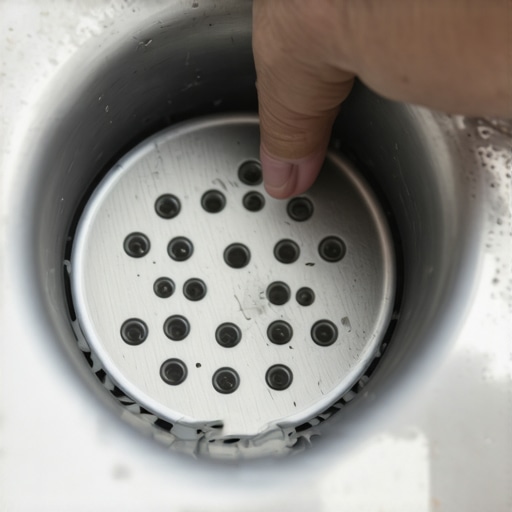
The concrete grinding reality check
Testing a shower drain for leaks requires a hydrostatic pressure check that isolates the plumbing from the waterproofing membrane to identify structural failures. Most installers ignore the subfloor prep and assume the drain flange is a magic barrier. It is not. Success starts with a level subfloor and a bond that survives thermal expansion. I spent three days grinding concrete on a job last month just so the floor wouldn’t click like a castanet. The homeowner thought I was crazy. They wanted the pretty tile installed immediately. But I saw the dip in the slab. That dip would have collected water. It would have stressed the drain assembly until the seal snapped. Most guys skip the leveling compound. They think the underlayment will hide the dip. It won’t. I smelled the oak dust and the grinding wheel heat for seventy-two hours because I refuse to fix a leak in three years. You have to respect the physics of the house. If the subfloor is not flat to within one-eighth of an inch over ten feet, your shower is a ticking bomb.
The ghost in the expansion gap
A shower leak often begins at the transition between the floor leveling compound and the drain throat where vertical movement shears the seal. This is the molecular reality of a wet environment. Materials expand. Materials contract. When you are doing a carpet install in a bedroom, you have room for error. When you are sealing a shower, you have zero. Most people think water just goes down the hole. In reality, water is a solvent looking for a path of least resistance. It uses capillary action to climb up the back of your tile. It finds the tiny pinhole in your thin-set. It hunts for the gap where the installer got lazy with the trowel. This is why the seal test is your only defense against rot. I have seen fifteen thousand dollar walnut floors cupping because a shower three rooms away was weeping into the subfloor. The water travels along the joists. It hides. It waits. By the time you see the stain on the ceiling, the structural damage is done.
“A floor is only as good as the subfloor beneath it; deflection is the enemy of every joint.” – Master Flooring Axiom
The physics of the five minute flood test
The 5-minute seal test involves plugging the drain below the flange and filling the throat with water to observe immediate hydrostatic drops. This is not a full twenty-four hour flood test. This is a targeted diagnostic for the drain-to-liner connection. You use a mechanical test plug. You tighten it until the rubber expands. You pour water exactly to the rim of the integrated bonding flange. You wait. If the water level moves even a millimeter, you have a failure. It might be the solvent weld. It might be the clamping ring. It might be the lack of silicone under the flange. If you are using laminate in an adjacent hallway, that water will ruin it in minutes. Laminate is basically compressed paper. It drinks water. It swells. It dies. This seal test is the firewall between your bathroom and a five thousand dollar repair bill.
The chemistry of the bonding flange
Modern shower systems rely on integrated bonding flanges that provide a wide surface area for liquid-applied or sheet membranes to adhere. Old school center-drain kits are the reason most showers fail. They rely on a mechanical compression fit that eventually vibrates loose. The new standard requires a chemical bond. You want the membrane to become one with the drain body. This requires specific thin-sets. You cannot use whatever is on sale at the big-box store. You need modified thin-set with high polymer content. This allows the bond to flex. Houses move. Concrete shrinks. Wood swells. If your adhesive is brittle, it will crack. Once it cracks, the seal is gone.
| Material Type | Permeability Rating | Acclimation Time | Expansion Coefficient |
|---|---|---|---|
| Porcelain Tile | 0.5 percent | None | Low |
| Liquid Membrane | 0.1 percent | 24 hours | High |
| Laminate Core | 12 percent | 48 hours | Extreme |
| Modified Thinset | 1.5 percent | 12 hours | Medium |
Why your subfloor is lying to you
Subfloors often appear flat to the naked eye but contain micro-waves that prevent the drain flange from seating flush against the waterproofing layer. I always bring a ten-foot straightedge to the job. I don’t trust my eyes. I trust the light passing under the aluminum bar. If I see light, I see a leak. Floor leveling is a science. You have to prime the substrate. You have to mix the compound to the exact ratio of water to powder. If you add too much water, the surface becomes chalky. If you add too little, it won’t flow. A bad leveling job is worse than no leveling job. It creates a false sense of security. You think you have a flat plane, but you have a dusty mess that won’t hold a bond.
The 1/8 inch that ruins everything
The precision of the drain height relative to the sloped mortar bed determines the long term success of the waterproofing seal. If the drain sits too high, you get standing water. If it sits too low, you create a stress point in the membrane. You are aiming for a perfect transition. This is why the seal test is the moment of truth. You are testing the geometry as much as the plumbing.
- Clear the drain throat of all construction debris.
- Insert the mechanical test plug below the weep holes.
- Fill the flange area with exactly two liters of water.
- Mark the water line with a grease pencil.
- Wait five minutes and check for any receding level.
- Inspect the underside of the subfloor if accessible.
The mechanical failure of builder grade shortcuts
Builder-grade installations frequently skip the pre-slope under the liner which allows stagnant water to sit against the drain seal. This is the industry’s dirty secret. They put the liner flat on the subfloor. Then they put the sloped mortar on top. The water goes through the grout, through the mortar, and hits the liner. Then it just sits there. It smells. It breeds mold. Eventually, the constant saturation breaks down the chemicals in the seal. A professional builds the slope twice. Once in the subfloor or pre-pitch, and once in the tile. This ensures that every drop of water that hits the liner is directed into the weep holes.
“Waterproof membranes are not a substitute for proper structural drainage; gravity always wins.” – TCNA Technical Bulletin
Chemical bonds versus physical barriers
A physical barrier like a PVC liner is only as strong as its corners while a liquid membrane creates a monolithic seal across the entire floor. I prefer the liquid stuff. It smells like ammonia and old paint, but it works. You paint it on. It turns into a rubber sheet. There are no seams. Seams are where the devil lives. In a carpet install, seams are hidden by the nap. In a shower, seams are the primary point of failure. When you perform your seal test, you are looking for the failures that seams inevitably cause.
The sound of a leaking drain
You can often hear a drain leak before you see it if you listen for the rhythmic drip against the subfloor during the seal test. It is a hollow sound. It sounds like money leaving your bank account. If you hear it, you stop. You don’t keep going. You don’t hope the grout will stop it. Grout is not waterproof. Grout is a sieve. If your drain seal fails the five minute test, you rip it out and start over. It is painful. It is expensive. But it is better than a mold remediation project in 2027.
Final verification of the structural integrity
The successful completion of the seal test provides the structural confidence required to proceed with high-end tile or stone finishes. Once that grease pencil mark stays steady, you know your chemistry held. You know your subfloor prep was worth the three days of grinding. You can sleep knowing the laminate in the next room won’t buckle. You can walk away knowing the job was done to the standards of someone who actually cares about the craft. It will hold. It will last. It is a performance surface.