
It was a rainy Saturday afternoon when I finally decided to upgrade my living room carpets. I found a deal that seemed too good to pass up—cheap installation, quick service, and promises of a fresh new look. But within a few months, I started noticing wrinkles, gaps, and even a faint musty smell I couldn’t ignore. That lightbulb moment made me realize that cheap doesn’t always mean economical.
Today, I want to share what I learned about the real costs behind those tempting low prices. Because if you’re like me, you want your home to look beautiful and last for years, without unexpected surprises draining your wallet. So, let’s dig into the five hidden costs of opting for budget carpet installation in 2026—and how to avoid them.
Why Cutting Corners on Carpet Installation Can Blow Up Your Budget
Choosing inexpensive carpet installation isn’t just about saving a few dollars upfront. Often, the initial low-cost option masks a raft of problems that can lead to hefty expenses later. From uneven floors to persistent mold, the true cost becomes clear only after you’ve already committed.
For example, one common mistake I made early on was neglecting proper subfloor preparation. This seemingly small oversight can cause significant issues, like squeaking, buckling, or even structural damage over time. To prevent this, it’s crucial to understand what lies beneath the surface. Experts recommend thorough subfloor assessments, like the tests detailed at [this resource](https://floorcraftstore.com/3-floor-leveling-tests-to-run-before-installing-planks-in-2026), to ensure your foundation is solid.
By investing in quality preparation and understanding the nuances of installation, you can sidestep many costly repairs down the line. And speaking of hidden pitfalls, are you aware of the dangers lurking behind seemingly innocent-looking carpet seams or corners? Keep reading, because next, we’ll tackle one of the biggest concerns homeowners face with cheap carpet installs.
Is Your Budget Carpet Installation Truly Worth the Risk?
My early mistake was assuming that the low initial price meant I’d save money. But I learned that quick fixes often lead to long-term headaches. Low quotes can sometimes indicate corners cut on essential steps like proper subfloor leveling or adhesive quality. These oversights can cause issues like creaking, gaps, and even moisture problems that accelerate wear.
To build trust, it’s important to choose experienced professionals who understand the intricacies involved—like the importance of meticulous floor leveling, which you can explore in detail at [this guide](https://floorcraftstore.com/expert-carpet-installation-floor-leveling-for-lasting-durability). Ensuring you avoid these common mistakes can save you from expensive repairs and replacements sooner than you think.
So, have you experienced hidden costs after a seemingly inexpensive flooring project? Share your story in the comments or consider scheduling an expert consultation to safeguard your investment. In the next section, we’ll explore practical steps to protect yourself from these costly errors and get your carpet installed right the first time.
Before laying down your new carpet, inspect your subfloor meticulously. I once skipped this step and ended up with uneven spots that caused wrinkles within months. Use a long level or a straightedge across the entire surface to spot dips or high spots. If you find any imperfections, level them with a self-leveling compound, following instructions at this guide. Ensure the entire surface is smooth, dry, and clean to prevent future issues.
After leveling, perform a simple test: walk across the subfloor barefoot to feel for soft spots or creaking. Press down firmly in different areas; if it feels spongy or moves, additional reinforcement may be necessary. This prevents future sagging or bubbling in your carpet as I experienced when unaware of a weak subfloor underneath. Proper testing averts costly replacements later.
Low-cost padding and glue are tempting, but they compromise longevity. When I used cheap padding, the carpet wore out faster, and the seams frayed prematurely. Invest in high-density, moisture-resistant underlay, which provides support and dampens sound. Consult this resource for selecting suitable padding. For adhesives, opt for quality glue that matches your carpet type to ensure a secure, long-lasting bond. Cutting corners here can lead to seams lifting or delaminating, which is costly to repair.
Moisture beneath the carpet promotes mold growth and odors. During installation, ensure the subfloor is dry, and consider applying a moisture barrier if you’re installing over concrete. This step is crucial for basement or ground-floor installations. I learned this the hard way when neglecting moisture barriers and dealing with persistent smells and mold—an expensive and unpleasant surprise.
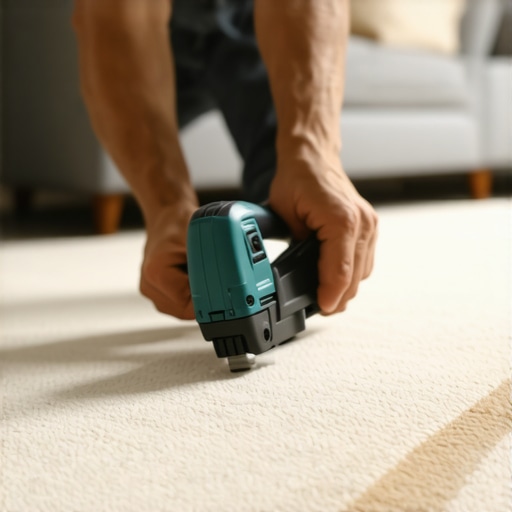
Unsecured edges can cause wrinkles and tripping hazards. Use a staple gun or tack strips along the perimeter of the room, ensuring they are flush with the subfloor. When I installed my new carpet, I secured the edges aggressively, which prevented future wrinkling and kept the carpet tight over time. It’s a simple step that pays off in durability and appearance.
Seams are the weak points in carpet installation. To prevent fraying or gaps, always use high-quality seam tapes and proper sealing techniques. When I first attempted a quick seam using inferior tape, it started to fray within months. Now, I follow expert tips at this site for professional seam sealing practices. Good seaming ensures a seamless look that lasts years.
After installation, establish a cleaning routine: vacuum frequently, rotate furniture to prevent uneven wear, and address spills immediately. This routine keeps your carpet looking fresh and extends its lifespan, saving money in the long run. I discovered that neglecting regular vacuuming led to quicker dirt build-up and early fiber breakdown.
Over time, temperature fluctuations can cause carpet fibers to expand or contract, leading to wrinkles. Use a professional carpet stretcher if you notice initial signs of slack. Regularly check edges and seams, re-stretch when necessary, and avoid walking heavy furniture directly onto new sections without proper support. This proactive approach forestalls the need for costly re-installation.
 While many homeowners believe they understand the basics of flooring and bathroom upgrades, widespread misconceptions persist that can lead to costly mistakes. For instance, a prevalent myth is that laminate flooring is purely a DIY project, but in reality, nuances in subfloor preparation and climate considerations demand professional expertise, especially for lasting durability. Skipping proper floor leveling often results in uneven surfaces and premature wear, which experts warn can be avoided by thorough assessment and precise application, as detailed in [this resource](https://floorcraftstore.com/expert-floor-leveling-laminate-tips-for-lasting-home-style). Similarly, many assume that sealants alone suffice for shower waterproofing, yet neglecting comprehensive water management—including proper drainage and vapor barriers—can cause hidden leaks that damage substructures over time; learn more at [this guide](https://floorcraftstore.com/3-curbless-shower-drainage-fixes-for-2026-bathroom-builds). An advanced homeowner might ask, “How can I ensure my floor leveling process prevents common failures like cracking and bounciness?” The answer involves understanding the importance of choosing the right self-leveling compounds and proper surface preparation—regulations backed by studies published in industry journals highlight that improper application significantly reduces lifespan and increases repair costs. Overlooking these nuances often leads to ‘Oops’ moments, such as discovering gaps after installation or cracks that require redoing the work, which could have been prevented through meticulous planning and adherence to best practices. Have you ever fallen into this trap? Let me know in the comments. Remember, mastery over these details transforms a basic upgrade into a lasting investment.When it comes to maintaining durable laminate floors, properly leveled surfaces are paramount. I rely heavily on a high-quality laser level to ensure perfect floor flatness during installation, as it provides precise, quick feedback across wide areas. This tool allows me to spot dips and humps that could lead to gaps or creaking later, aligning with expert advice found at [this resource](https://floorcraftstore.com/expert-floor-leveling-laminate-tips-for-lasting-home-style). Alongside laser levels, a sturdy concrete grinder helps me smooth uneven patches on subfloors, especially before applying self-leveling compounds, ensuring a seamless surface that prevents cracks and bounce—crucial for long-term durability. To facilitate flawless installation, I swear by a power pry bar, which assists in aligning planks tightly, minimizing gaps and click-ins that may cause squeaks or loosen over time. That’s especially helpful when installing over older subfloors prone to shifting.
For routine care of carpeted areas, I recommend a professional-grade vacuum like the Dyson Ball Animal 2. Its advanced cyclone technology captures microscopic dust and allergens, maintaining a clean environment and prolonging your carpet’s life. Regular vacuuming also preserves the integrity of seams and prevents premature fraying. When dealing with showers, waterproofing accessories are indispensable. A waterproof membrane kit, like Schluter-DITRA, ensures a vapor-tight seal beneath tiles, protecting your substructure from moisture damage. I also employ a digital moisture meter during installations, as advised in industry standards, to confirm subfloors are dry enough before laying down materials.
To scale your projects, consider investing in modular tools such as a tile cutter with adjustable angles for showers or a versatile multi-tool for detailing around fixtures. These tools save time and improve precision, especially when working on complex surfaces or fitting tiles around irregular edges.
Prediction is that the integration of smart leveling sensors into subfloor preparation, combined with AI-driven tools, will revolutionize how we approach long-term flooring maintenance, reducing errors and extending lifespan dramatically. In the meantime, a practical tip I recommend trying today is calibration of your laser level to the exact floor surface before beginning. This small step can dramatically improve the overall flatness, preventing costly misalignments down the line.
## How do I maintain laminate floors and showers over time?
Consistent maintenance involves routine inspections of grout joints and caulking in showers, replacing deteriorated sealants before leaks develop. For laminates, regular dusting with a microfiber mop prevents dirt accumulation that can scratch surfaces, and periodically adjusting high spots with a professional-level floor leveler—like the ones detailed at [this expert guide](https://floorcraftstore.com/expert-floor-leveling-laminate-flooring-for-lasting-durability)—can prevent squeaks and bouncing. Additionally, applying a protective coat or polish designed for laminate surfaces provides a barrier against spills and wear, extending the life of your flooring. Remember, investing in the right tools and regular upkeep is the secret to long-lasting beauty and performance in your home upgrades.
The Hardest Lesson I Learned About laminate,floor leveling,carpet install,showers
One of my biggest realizations was that rushing through subfloor assessments can lead to unexpected expenses, like cracked tiles or bouncy laminate planks. Skipping proper preparation might seem like saving time and money initially, but it often results in costly repairs or replacements later, a truth I wish I’d understood sooner. Additionally, I learned that trusting low-cost adhesives or sealants without researching their quality can compromise the entire project, causing leaks or delamination, which are costly to fix. The third insight was discovering how overlooked moisture barriers can turn a simple carpet or shower upgrade into a mold nightmare. My experience taught me that investing time in learning from experienced professionals and reputable guides can save your home from future headaches, ensuring your investment pays off in durability and comfort.
http://Kevin%20Adams
Reading this post really resonated with my own experience with budget flooring projects. I once rushed the subfloor prep, thinking I was saving time and money, only to discover later that it caused significant issues like squeaking and uneven patches, which ultimately led me to redo the whole installation. The tip about testing the stability of the subfloor barefoot was a game-changer for me—it’s simple but often overlooked. Quality underlay and proper sealing also seem to be where many cut corners, yet they make such a difference in longevity. I wonder, how many homeowners realize that moisture management, especially over concrete, is crucial but often ignored until mold or odors appear? In my case, neglecting this nearly turned into a mold problem, which was costly and disruptive. Has anyone here had to deal with hidden moisture or mold issues after cheap installations? Would love to hear more about preventative measures other than just moisture barriers.
http://Laura%20Benson
This post really highlights how tempting it can be to cut corners with flooring projects due to budget constraints, but the long-term costs often outweigh the initial savings. I had a similar experience with a quick carpet installation that seemed perfect at the time, but within the first year, I noticed creasing and even some unpleasant odors. It taught me that investing more time and money upfront—like ensuring proper subfloor prep, quality underlay, and moisture barriers—really pays off. I also learned that regular maintenance, such as timely seam repairs and vacuuming, can do wonders in extending a floor’s lifespan. I’m curious, has anyone here found any innovative ways to spot or prevent issues like wrinkles or mold right after installation? It seems like proactive checks could save a lot of headaches later. Overall, this motivated me to always prioritize quality over quick fixes—luckily, a little extra effort now can save a lot on repairs in the future.