![3 Subfloor Leveling Fixes to Stop Laminate Clicking [2026]](https://floorcraftstore.com/wp-content/uploads/2026/02/3-Subfloor-Leveling-Fixes-to-Stop-Laminate-Clicking-2026.jpeg)
It was a quiet Sunday morning when I first noticed it—those irritating clicking sounds coming from my laminate floor. At first, I thought it was just normal wear and tear, but as the noise grew louder with every step, I realized something was seriously off. Turns out, I had overlooked one of the most common yet overlooked problems: uneven subfloors causing those pesky creaks and clicks.
Why Subfloor Leveling Is the Key to a Quiet, Durable Laminate Floor
When I began my DIY journey into fixing this issue, I quickly learned that a level subfloor isn’t just about comfort—it’s about protecting your investment. A poorly leveled surface can lead to cracking, excessive wear, and even moisture problems that damage your home in the long run. According to flooring experts, improper subfloor preparation is one of the leading causes of laminate failure and noise issues, especially as we move into 2026 with newer, tighter installation standards.
Have you ever wondered why your beautiful new laminate floor starts to click or bounce months after installation? If so, you’re not alone. Many homeowners face this frustrating problem, but few realize that the root cause often lies beneath the surface—the subfloor itself.
Early mistakes can make these issues worse. I once thought that installing a thicker pad would mask the noise. Spoiler alert: it only postponed the inevitable. That’s why understanding and fixing the subfloor levelness is crucial—even if it means pulling up sections of flooring and doing some extra work. The good news? I’ll walk you through proven methods to level your subfloor effectively, ensuring your flooring stays quiet and in great shape for years.
Before diving into solutions, let me share how I uncovered a critical mistake early on. Instead of testing the floor’s levelness with a simple level or straightedge, I assumed the previous contractor had done it right. This oversight cost me time and money; a small investment in proper testing could have saved me a lot of trouble. You can learn more about the importance of accurate floor leveling tips from [this detailed guide](https://floorcraftstore.com/expert-floor-leveling-carpet-install-strategies-for-durability). Now, with that mistake behind me, I’m confident in helping you avoid similar pitfalls.
So, are you experiencing similar issues with your laminate floors? If you’re nodding yes, keep reading. The next sections will cover the best fixes to level your subfloor and silence those bothersome clicks once and for all.
Identify Uneven Spots with a Simple Test
Start by inspecting your floor with a 4-foot level or a straightedge. Place it across different sections and note any gaps or dips. I once dragged a straightedge from corner to corner, and I immediately saw a 1/4-inch slope. This quick check saves you from guessing and prepares you for targeted fixes. For more precise assessment, consider using a laser level or a chalk line to mark high and low areas.
Remove Existing Flooring and Prepare the Subfloor
Clear the laminate, carpet, or any finish material from the problematic area. Use a pry bar and utility knife carefully. Think of your subfloor as a wounded soldier—you need to understand its injuries before treating them. Clean out debris, dust, and loose material. This creates a clean canvas, similar to preparing a wall before painting. Proper preparation ensures your leveling compound bonds firmly and stays durable.
Apply Self-Leveling Compound in Critical Zones
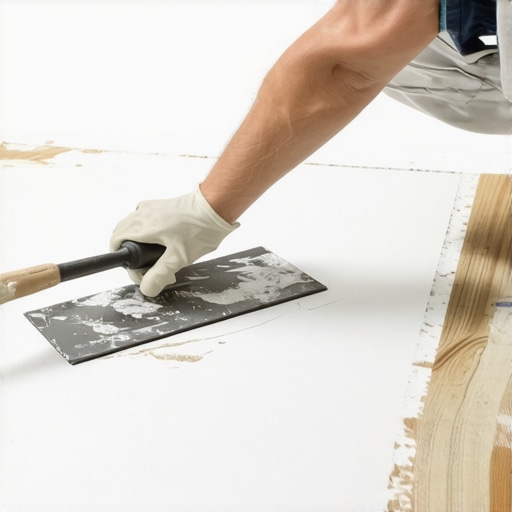
For dips deeper than 1/8 inch, use a self-leveling concrete or floor patch compound. Pour the compound in the low spots, starting at the edges and working towards the center. Use a gauge rake or trowel to spread it evenly. When I fixed a particularly sunken corner, I poured compound incrementally, letting each layer cure before adding the next. This controlled approach prevents cracking and ensures a smooth surface, much like pouring a concrete slab.
Shim High Spots for a Smooth Surface
For minor high points, employ shims or floor leveling wedges. Insert them under the joists or subfloor panels to raise low sections gradually. Use a level to verify progress. I once shimmed a sagging corner, tapping shims underneath with a hammer. Cover shims with a thin layer of plywood or underlayment to provide a flat surface for the laminate. This step is comparable to raising uneven stairs for a seamless step transition.
Secure and Reinforce the Subfloor
Once leveled, fasten the subfloor using screws or nails to prevent movement. Pay attention to the joists and subfloor panels, ensuring they are tightly secured to the framing. I recommend using a stud finder and a drill with countersink bits to avoid damaging the surface. Reinforcing the area reduces bouncing and noise, crucial for a quiet laminate finish. Think of this like tightening a loose screw to prevent future wobbles.
Confirm Levelness Before Installing Flooring
Recheck the area meticulously. Place your level across multiple points and ensure the surface doesn’t dip or rise more than 1/8 inch over 10 feet. If necessary, add small adjustments with additional compound or shims. This verification step is vital: a failure here means noisy, cracked flooring later. Remember, patience now saves you headaches when the flooring is down.
Consult Expert Resources
If you encounter persistent issues, leverage professional advice or detailed guides like expert floor leveling tips. They can provide targeted solutions for complex problems, especially in older homes or structures with known settling issues. Implementing these core techniques will result in a stable, silent surface ready for your laminate floors.
 When tackling floor leveling, many assume that following basic steps guarantees success. However, the real pitfalls often lie in nuanced mistakes that can undermine your entire project. One prevalent myth is that a standard tape measure and a quick visual check suffice for assessing flatness. In reality, professional installers employ laser levels and precise testing protocols, like the ones outlined on [expert-level floor testing techniques](https://floorcraftstore.com/3-curbless-shower-drainage-fixes-for-2026-bathroom-builds), to detect subtle dips and high spots that can cause long-term issues. Overlooking these sophisticated assessments can lead to uneven floors and future cracking—a costly mistake.
Another common misconception is that applying self-leveling compounds alone will correct unevenness. While useful for minor dips, these compounds require proper substrate preparation. If the underlying subfloor is contaminated or overly porous, adhesion and durability suffer. I’ve seen DIYers pour leveling agents over dirty surfaces, resulting in cracks or uneven surfaces within months. The key is to thoroughly clean and prime the substrate before application, as recommended in [floor leveling best practices](https://floorcraftstore.com/expert-floor-leveling-carpet-install-strategies-for-durability-in-2024).
In the realm of carpet installation, many believe that tight seams and strong adhesives are the only concerns. But, a subtle mistake often overlooked is ignoring the importance of subfloor stability beneath the carpet. An uneven or bouncy subfloor can cause seams to fray or develop wrinkles over time, especially in high-traffic areas. Advanced installers reinforce these foundational layers and ensure their stability before installing the carpet, much like the approach described on [carpet installation tips for durability](https://floorcraftstore.com/carpet-install-floor-leveling-tips-for-lasting-home-comfort-3). Moreover, improper padding under the carpet can exacerbate bounce and discomfort—an issue often dismissed until after installation.
When upgrading bathroom showers, homeowners tend to focus solely on the fixtures and water pressure, neglecting the foundation—the shower pan and the surrounding floor. The hidden trap is underestimating waterproofing complexity. An improperly sealed shower pan or overlooked leak-prone zones can cause serious water damage, mold, and structural issues. Experts warn that around 75% of shower leaks originate from misinstalled seals or overlooked leak points, as cited in [shower waterproofing research](https://floorcraftstore.com/stop-shower-leaks-3-modern-waterproofing-mistakes-to-avoid). Therefore, investing in professional waterproofing methods and paying attention to hidden leak zones is essential for lasting durability.
Thinking through these subtleties can greatly improve your renovation outcomes. Too often, homeowners fix surface issues without addressing root causes, leading to recurring problems down the line. Making sure to assess the subfloor’s true condition, properly prepare the substrate, and understand the water management intricacies can save you time, money, and stress.
Have you ever fallen into this trap? Let me know in the comments. Being aware of these hidden nuances helps you make smarter decisions and ensures your home improvement projects last.Maintaining your completed flooring projects requires more than just initial installation; it involves using the right tools and adopting consistent methods to ensure longevity. One of my personal favorites is a high-quality laser level, such as the Bosch GPL 3 because it provides precise, comprehensive coverage over large areas, making subtle dips and high spots easily identifiable. Unlike traditional bubble levels, laser levels ensure consistent accuracy across the entire floor surface, which is crucial for preventing issues like creaking laminate or uneven carpeting down the line. To complement this, I always use a moisture meter like the Tramex CME5 when working with substrates for bathroom renovations or showers, because controlling moisture levels is fundamental to preventing mold growth and structural damage over time. Investing in a dependable toolset tailored to your specific project needs will pay off over the years, reducing the frequency of repairs and re-installations. Prediction points to a future where smart tools—integrated with IoT and AI—will offer real-time monitoring of floor health, alerting homeowners to issues before they escalate. For now, however, sticking to reliable, proven equipment combined with methodical inspections is best to keep your flooring in top shape.
How do I maintain my flooring installation over time?
Regular inspections are key. Periodically check for uneven spots or loose tiles, especially if you live in a region with significant temperature fluctuations that can cause substrate movement. Use your laser level to verify flatness annually, ensuring that no hidden dips are developing. Additionally, keep moisture levels in check by using internal or external moisture meters from trusted brands, which can help you identify early signs of water intrusion that may compromise your subfloor. Proper cleaning also plays a role—avoid harsh chemicals that can degrade adhesives or finishes—opting instead for gentle, pH-neutral cleaners. When performing minor repairs or adjustments, having a set of shims or quick-dry leveling compounds like those outlined in expert floor leveling strategies ensures you can correct issues promptly and precisely. Over time, these practices will help preserve the integrity of your flooring, minimizing the need for major renovations. Remember, consistency is critical. Even if your floor seems perfectly fine, regular maintenance checks can catch problems early, saving you both time and money. Incorporate these techniques into your routine, and your investment will remain a source of pride for years to come.
The Hidden Truths I Wish I Knew About Flooring Repairs
One of my biggest lightbulb moments was realizing how often unseen subfloor imperfections sabotage your efforts, no matter how meticulous your installation process. I once spent hours installing laminate, only to have it squeak and crack within months, because I overlooked subtle dips and high spots I thought were insignificant. That taught me that paying attention to the smallest imperfections during the initial assessment can save future headaches. Additionally, I learned that tools like laser levels aren’t just for professionals—they’re invaluable for DIY enthusiasts committed to quality work. Skipping professional-grade testing might seem like saved effort, but it often results in recurring issues that could have been avoided with better initial diagnostics.