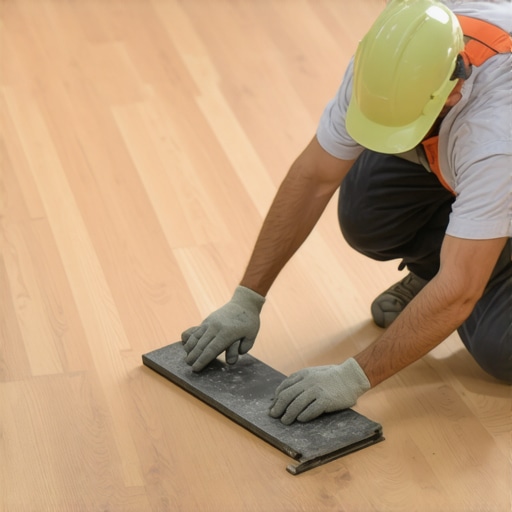
I vividly remember the moment I stepped into a friend’s living room and immediately noticed the uneven, creaky laminate flooring beneath my feet. It was like walking on a boat during a storm—uncomfortable and unsettling. That lightbulb moment shook me: DIY flooring projects are often straightforward, but their long-term success hinges on one critical factor—proper floor leveling. If you’ve ever experienced a wobbly floor or a stubborn height difference that ruins your room’s aesthetic and functionality, you’re not alone. Many homeowners overlook the importance of expert-level floor leveling and laminate installation, leading to frustrating results that cost time and money.
Today, I want to share with you the secrets to achieving durable, flawless floors that stand the test of time. We’ll explore why investing in proper leveling and high-quality installation isn’t just about appearance—it’s about the foundation of your entire home upgrade. Whether you’re tackling a small renovation or a major overhaul, understanding the basics can save you headaches down the line. As an enthusiast who’s made my fair share of mistakes, I’ll also point out common pitfalls and how to avoid them—trust me, I learned the hard way.
Why Skimping on Floor Leveling Will Cost You
Many homeowners underestimate the significance of a level floor during installation. I used to think that slapping down laminate over existing uneven surfaces was acceptable—it’s quicker, right? Wrong. Early on, I skipped professional leveling, hoping that the laminate would hide imperfections. Big mistake. Not only did I face bubbling and shifting, but the durability of my flooring suffered, and I had to redo parts of the project. That experience taught me a crucial lesson: Mastering proper floor leveling is foundational to any durable flooring installation.
Good floor leveling ensures your laminate stays in place, prevents creaking, and maintains a clean look over time. It’s worth noting that the right approach isn’t just about aesthetics but also about safety and long-term performance. For in-depth tips on achieving professional results, check out [expert floor leveling & laminate tips for lasting home value](https://floorcraftstore.com/expert-floor-leveling-laminate-flooring-tips-for-lasting-home-value). Helping yourself avoid costly mistakes and ensuring your floors last for years is what makes all the difference.
Have you faced issues with uneven flooring after a DIY project? If so, keep reading. We’re about to dive into practical, expert-backed strategies to get your floors perfectly level and beautifully installed.
Prepare Your Surface Thoroughly
Before even thinking about laying laminate or carpet, ensure your subfloor is free of dust, debris, and loose particles. I recall a time when I rushed this step and ended up with uneven spots causing creaks and bubbling. Use a stiff broom or vacuum to clear the surface, then inspect for moisture or damage. Sealing small cracks or holes with a patching compound creates a smoother baseline. Think of this like preparing a canvas—everything beneath affects the final image.
Identify and Quantify Unevenness
Use a long straightedge or a level tool spanning across the floor, pressing down lightly to detect dips or high spots. In one project, I noticed a 1/4-inch difference over a 6-foot span—seriously visible and unbearable. Mark these zones with painter’s tape or chalk for reference. This step gives you a clear map of where adjustments are needed and prevents guesswork, saving time and reducing mistakes.
Choose the Right Leveling Method
Self-Leveling Compound
For minor dips up to 1/4 inch, a self-leveling compound effectively smooths the surface. I mixed a batch following the manufacturer’s instructions, poured it over the low areas, and used a trowel to spread it evenly. The compound settled within 15 minutes, creating a nearly perfect plane. This technique is like pouring a thin layer of paint—fast, efficient, and results in a flat surface that’s ready for comfortable flooring.
Wood or Plywood Shims
When differences exceed 1/4 inch, stacking shims or adding thin plywood sheets is more reliable. I secured shims under high spots or built up low areas to match the overall height. Fasten shims with construction adhesive or nails for stability. Imagine building a small bridge; each shim or plywood layer acts as a support, translating uneven terrain into a level platform.
Sand or Grind for Final Refinement
After initial leveling, use a belt sander or hand grinder to smooth out any residual imperfections. I once used a handheld grinder to achieve a flush, even surface before installing laminate, which prevented future squeaks and cracks. Wear proper safety gear and work in sections to avoid creating new dips—think of it as fine-tuning a musical instrument for perfect pitch.
Double-Check Your Work
Reassess the entire area with your level or straightedge, paying special attention to previously problematic zones. If necessary, add more compound or shims. I learned early on that rushing this step leads to issues down the line; taking the time to verify guarantees a durable, professional-looking finish.
Consult Expert Resources When Needed
If the scope seems overwhelming, referring to detailed guides like top floor leveling laminate flooring tips for durable home upgrades can provide additional insights. Remember, precision during this step pays dividends in the longevity and appearance of your flooring.
When it comes to home upgrades, many believe they understand the basics of flooring and bathroom renovations. However, this common confidence often masks subtle misunderstandings that can dramatically impact long-term durability and aesthetics. One prevalent myth is that a quick surface fix or superficial installation suffices, but seasoned homeowners know that the devil is in the details. For instance, many think that applying self-leveling compounds alone will solve all unevenness issues, yet neglecting proper surface preparation can lead to future cracks and instability. For advanced insights on proper floor leveling techniques, visit [expert floor leveling laminate flooring tips for lasting home value](https://floorcraftstore.com/expert-floor-leveling-laminate-flooring-tips-for-lasting-home-value).
Are You Missing the Critical Step of Subfloor Compatibility?
Most overlook the importance of subfloor compatibility with specific flooring types. Laminates, carpets, and showers each have unique requirements; ignoring these nuances can cause premature failures. For example, installing laminate over a wet or poorly prepared subfloor results in warping or mold growth, which many assume is a warranty issue rather than installation error. Experts caution that the subfloor must be dry, level, and properly sealed to prevent unseen damage. Interestingly, a study in flooring reliability shows that improper subfloor preparation accounts for nearly 60% of installer-related failures. Don’t let common misconceptions trip you up—know your subfloor and choose materials accordingly.
Furthermore, a frequent mistake made during shower renovations is choosing waterproofing solutions without considering future movement or expansion. A waterproof membrane that isn’t flexible can crack over time, leading to leaks and extensive damage. For comprehensive guidance on waterproofing your bathroom, see [Waterproofing solutions for modern shower upgrades](https://floorcraftstore.com/best-showers-waterproofing-solutions-for-modern-bathroom-upgrades).
Intuitively, many believe that flooring and shower projects are straightforward and can be DIY’d without expert help. But the reality is that subtle imperfections—like a slight height mismatch or hidden moisture—are often invisible to untrained eyes. These oversights can cause costly repairs down the line. Plus, the process of ensuring perfect levelness, proper moisture barriers, and airtight seals requires experience and precise tools. When in doubt, consulting detailed guides or professionals can save you significant trouble and expense in the future.
So, what can you do to avoid these pitfalls? Firstly, invest time in assessing the subfloor’s condition thoroughly and selecting compatible materials. Second, don’t underestimate the importance of surface preparation—every layer of your installation depends on a solid, level foundation. And finally, educate yourself on advanced waterproofing and leveling techniques, which are often overlooked but critical for long-term success. Remember, a well-executed project not only looks better but also lasts much longer—saving you money and stress.
Have you ever fallen into this trap? Let me know in the comments! Making informed choices today ensures your home remains beautiful and functional for years to come.Maintaining your flooring and bathroom upgrades is crucial to ensure their longevity and performance. Having the right tools at hand not only streamlines the process but also guarantees professional results. For flooring, a high-quality laser level is indispensable—I personally rely on the Bosch GLL3-330CG because it offers 360-degree rotation, Bluetooth connectivity for calibration, and exceptional accuracy, which makes checking for levelness faster and more precise. This tool helps me quickly identify uneven spots that may otherwise be overlooked, ensuring the foundation is perfect before installation. For [floor leveling](https://floorcraftstore.com/expert-floor-leveling-laminate-flooring-tips-for-lasting-home-value), this device accelerates the process and minimizes human error, saving time in the long run.
In bathroom renovations, especially for showers and waterproofing, I recommend using a quality moisture meter such as the Tramex CME5. It’s essential to monitor moisture levels in subfloors and wall substrates regularly to prevent future mold or warping. I’ve learned the hard way that ignoring moisture content leads to costly repairs down the line. A reliable moisture meter is a small investment that yields peace of mind and helps catch issues early.
When it comes to maintaining your floor’s appearance, a good vacuum with a soft brush attachment is invaluable. I prefer the Dyson V11 due to its powerful suction and versatile tools, making it easier to clean dust and debris from seams and edges without damaging delicate materials. Regular cleaning prevents dirt buildup that can cause scratches or wear over time.
For ongoing care, using sealants and protective coatings is essential, especially on laminate and tile surfaces. I always follow manufacturer recommendations and choose products designed specifically for the material — this avoids sticky residues or discoloration, which I experienced with generic sealants. Periodic inspection with a visual and tactile check helps catch small issues before they become major problems.
Looking ahead, innovations like smart moisture sensors and automated leveling devices are emerging, promising even more reliable maintenance strategies in the future. These tools could automate tedious checks, freeing you up to focus on other aspects of home care.
**How do I keep my floors and showers working well over time?** Make sure to schedule regular inspections, use proper cleaning tools, and stay proactive with moisture management. Incorporate advanced equipment like laser levels and moisture meters into your routine—these are game-changers. For an in-depth guide on maintaining perfect floor leveling for [laminate or carpet installations](https://floorcraftstore.com/expert-floor-leveling-laminate-tips-for-durable-home-upgrades), visit that link to fine-tune your maintenance approach. Don’t hesitate to experiment with tools like the Bosch laser level or the Tramex moisture meter; I’ve found they significantly improve long-term results. Remember, investing in proper tools today saves you time and money tomorrow, keeping your home upgrades beautiful and durable for years to come.
Hidden Pitfalls I Fell Into During My First DIY Floor Leveling Attempt
One of the biggest lessons I learned was never underestimate the importance of a thorough surface prep; skipping this step led to costly repairs later. I also realized that blindly relying on self-leveling compounds for large dips can be a mistake—sometimes shims or plywood are better options. Lastly, rushing through double-checks before installing the final flooring almost always results in uneven floors, so patience is essential.
Tools and Resources That Really Made a Difference in My Projects
Investing in a good laser level, like the Bosch GLL3-330CG, provided me with quick, precise assessments of unevenness, saving me time and reducing errors. I also found moisture meters, such as the Tramex CME5, invaluable for ensuring subfloors were dry—critical for long-lasting results. For expert guidance, exploring detailed guides on laminate flooring leveling helped me avoid common pitfalls. Finally, quality tools like soft-brush vacuums kept my surfaces clean without risking damage, which is vital for a pristine finish.
Why Trusting the Details Transformed My Home Upgrades
By focusing on the nuances—like the importance of subfloor compatibility and moisture content—I realized that small things have big impacts over time. Proper sealing and moisture barriers prevent future issues, such as warping or mold. Recognizing that many DIYers overlook these subtleties drove home the importance of continuous learning, and I encourage you to seek out expert tips on floor leveling for durable results. Remember, a meticulous approach today protects your investment tomorrow.
Your Next Step Toward Flawless Floors
Don’t let fear or uncertainty hold you back from achieving professional-grade flooring. Each mistake is a chance to learn, and with the right tools and knowledge, you can prevent common pitfalls and create a foundation that lasts. Embrace the process, stay curious, and remember—your home deserves the best quality work. For comprehensive insights, visit this resource to fine-tune your installation skills. Your perfect floors are within reach—start today!