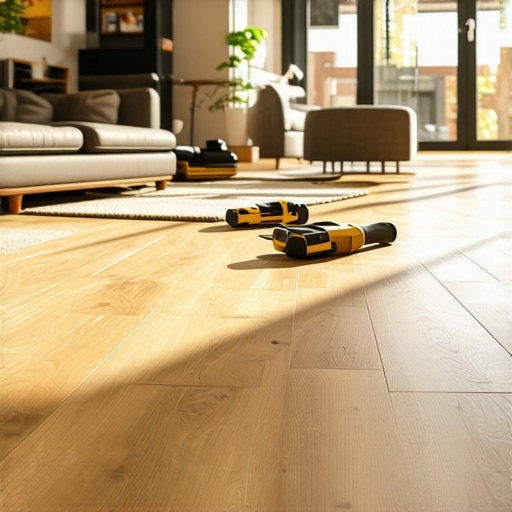
It was a morning like any other, yet I found myself slipping on an uneven patch of the new laminate floor I had just installed. Frustration bubbled up—how could something so seemingly simple turn into a tripping hazard? That lightbulb moment made me realize that even the best-looking floors can hide underlying issues, and without proper preparation, your home upgrade might not last.
Why Proper Floor Preparation is the Key to Lasting Style and Comfort
When I first took on my own flooring project, I underestimated the importance of a flat, even surface. I thought choosing the right materials was enough. Spoiler alert: it’s not. A smooth, level subfloor is the foundation of beautiful and durable flooring, whether laminate or carpet. If your surface isn’t properly prepared, your floors could develop gaps, buckling, or even cracks over time. And believe me, fixing these problems later is much more costly and labor-intensive than doing it right from the start.
The good news? There are straightforward, proven strategies to ensure your subfloor is ready for installation. For laminate flooring enthusiasts, I recommend checking out the [best laminate flooring floor leveling tips for lasting home upgrades](https://floorcraftstore.com/laminate-flooring-floor-leveling-tips-for-lasting-home-upgrades), which have guided many homeowners to a smoother, longer-lasting finish. Similarly, for carpet installations, the [expert carpet floor leveling strategies for lasting home comfort](https://floorcraftstore.com/expert-floor-leveling-carpet-install-strategies-for-lasting-home-comfort) can make all the difference.
So, if you’ve ever faced uneven floors that caused frustrating gaps or unevenness, you’re not alone. Have you struggled with achieving that sleek, seamless look you see in magazines? Well, you’re in the right place. In the next sections, I’ll walk you through practical, easy-to-follow steps to level your subfloor properly, so your flooring not only looks great but also endures the test of time.
Let’s start by understanding the common pitfalls and how to avoid them. Because a solid foundation isn’t just about elevation—it’s about preventing future headaches and ensuring your home upgrade remains beautiful and functional for years to come.
Start with a Clear Assessment
Before diving into leveling, walk across your subfloor with a long straightedge or a level. Identify dips, high spots, or uneven patches. During my first project, I spent an hour meticulously checking, which saved me days of future repairs. Document the problem areas and prepare your tools accordingly.
Gather the Right Materials and Tools
For effective leveling, you’ll need a self-leveling compound or floor patch, a putty knife, a trowel, a sanding block, and possibly a grinding tool for stubborn high spots. Don’t skimp on quality; a good compound will flow better and cure more reliably. Check this guide for detailed material selections: laminate flooring-leveling tips.
Prepare the Subfloor Carefully
Clean the area thoroughly—vacuum and sweep away dust, debris, and grease. Remove loose particles that could interfere with adhesion. For textured surfaces, lightly sand to promote better bonding. During my recent install, a thorough cleaning prevented future bumps and gaps, saving me from costly resealing later.
Apply the Leveling Compound Precisely
Mix the compound according to manufacturer instructions; consistency should be similar to pancake batter. Pour or trowel the mixture into low spots or dips, working from the center outward. Use a long straightedge or a float to spread the compound evenly, ensuring it fills all voids without excess buildup. For uneven large areas, consider using a leveling rail or screed to maintain a flat surface. This technique, outlined in the laminate leveling guide, is proven to produce lasting results.
Smooth and Cure with Precision
After applying, smooth the surface with a trowel or roller to eliminate air pockets or ridges. Keep the area free of dust and disturbances. Allow the compound to cure fully—this could take 24-48 hours depending on product and thickness. During curing, avoid foot traffic or vibrations that could disturb settling.
Sand and Finish for a Flawless Surface
Once cured, use a fine sandpaper or sanding block to smooth out any surface imperfections or high spots. Clean away any dust. A smooth subfloor is essential for a seamless finish when installing laminate or carpet. Personally, I had some stubborn bumps, but a careful sanding made the final look stunning and even.
Final Inspection and Preparation
Inspect the entire surface for uneven areas. Use a level or straightedge to confirm smoothness. Touch up spots with additional compound if needed. Once satisfied, vacuum thoroughly to remove all dust. This preparation ensures your chosen flooring material will sit properly and last for years without issue.
Remember, proper leveling is the backbone of durable, attractive flooring. For detailed techniques tailored to specific materials, check the related articles: laminate shower renovations or floor leveling for stylish homes.
Many homeowners believe that achieving a perfect, durable installation is as simple as choosing the right materials; however, this is a dangerous misconception. One widespread myth is that all floors and showers can be installed without meticulous preparation, but in reality, overlooking these nuances leads to long-term issues such as cracks, water damage, or uneven surfaces. For example, some think that applying a basic leveling compound suffices, but advanced mistakes—like improper substrate assessment—often cause the entire project to fail.
A common trap, especially in shower renovations, is neglecting proper waterproofing techniques combined with incorrect surface preparation. This oversight results in leaks, mold, and costly repairs down the line. Experts emphasize that a thorough moisture barrier and substrate assessment are paramount, as detailed in guides on expert shower bathroom renovations for lasting style.
**How can advanced homeowners avoid these pitfalls?** Even seasoned DIYers might underestimate the importance of substrate evaluation, which involves checking moisture levels, surface stability, and material compatibility. An overlooked aspect is the potential for moisture vapor transmission through slabs or subfloors, which can jeopardize laminate and carpet installations alike.
Studies have shown that improper substrate preparation reduces the lifespan of flooring by up to 50%, and water intrusion remains the leading cause of home interior damage (see the National Institute of Standards and Technology study). Therefore, understanding nuanced differences—such as the need for specific leveling techniques for laminate versus carpet—is critical. For laminate, creating an even, resilient surface is essential, while for carpet, a perfectly flat base ensures longevity and comfort.
In sum, **don’t fall for the misconception that surface prep is optional**. When upgrading your home, pay close attention to the details of your substrate, waterproofing, and material compatibility. For comprehensive guidance tailored to your project, check out the expert strategies on floor leveling for lasting results. Have you ever fallen into this trap? Let me know in the comments.Maintaining a flawless floor installation requires more than just initial preparation; it involves the right tools and consistent upkeep. Over the years, I’ve refined my toolkit to ensure lasting results, especially when addressing laminate, carpet, or shower renovations. One indispensable item is a high-quality moisture meter. I personally rely on digital models that sync with my smartphone, providing instant readings on substrate moisture levels, which prevents issues like delamination or mold down the line. For leveling compounds, I prefer rapid-setting variants with proven durability, like ultra-lightweight self-leveling mixes, because they reduce curing time and minimize cracking risks. Applying these compounds with a zirconia-tipped margin trowel ensures smooth, even spreads, particularly over large areas where consistency is crucial.
When it comes to sanding and finishing, I use a dual-action random orbital sander equipped with a fine-grit sanding pad. This tool offers control and prevents gouging, producing countertops ready for flooring materials. To keep the workspace clean, a HEPA-filter vacuum attachment not only prevents dust from settling but also extends the lifespan of my tools. Regularly inspecting and maintaining my equipment—checking cords, replacing worn-out pads, and calibrating my moisture meter—has dramatically improved my project outcomes.
Looking ahead, I predict that smart, IoT-enabled tools will become standard for home renovation enthusiasts. These devices will monitor moisture, temperature, and drying times more precisely, giving homeowners peace of mind and experts a deeper understanding of material interactions. For example, integrating moisture sensors that communicate with your smartphone could alert you when conditions match optimal curing parameters, significantly reducing errors.
**How do I keep my tools in top shape to extend their lifespan?** It’s crucial to clean them immediately after use, store them in climate-controlled environments, and follow manufacturer maintenance schedules diligently. For instance, regularly calibrating your moisture meter—using a standard calibration block—ensures they provide accurate readings, which is vital for detecting moisture issues before they escalate.
I recommend trying out a digital moisture meter paired with an app for project monitoring. This combination allows real-time tracking and can prevent costly mistakes, especially in complex renovations like shower waterproofing or laminate underlayment. Remember, investing time in maintaining your tools saves money and effort in the long run.
For more technical insights on tool selection, check out resources like trusted brands or industry reviews. Proper maintenance and the right equipment are the backbone of durable, efficient home upgrades, ensuring your floors stand the test of time and use. Ready to elevate your renovation game? Start by calibrating your moisture meter today and see the difference it makes in your next project.
Lessons that Changed My Approach to Home Upgrades
One of my biggest lightbulb moments was realizing that in-floor and shower renovations aren’t just about choosing chic materials but ensuring the foundation is meticulously prepared. I once rushed the subfloor leveling process and faced cracks within a year—lesson learned: never underestimate the importance of proper assessment and preparation.
I also discovered that even experienced DIYers can fall into myths, like believing a quick patch will suffice in wet areas. Delving deep into waterproofing and substrate evaluation can prevent costly water damage, as I now know firsthand.
Finally, patience has rewarded me more than any shortcuts. Allowing compounds to cure fully and sanding for a smooth finish may add time initially, but it pays off in durability and beauty—saving time and money down the line.
Tools and Resources that Make a Difference
My go-to for reliable information has been the comprehensive guides linked on trusted websites; for instance, mastering floor leveling techniques through expert laminate leveling tips has transformed my projects. I rely on high-quality moisture meters because detecting moisture accurately has saved me from installations that would have failed prematurely. A sturdy trowel and a good sander are non-negotiables in my toolkit, ensuring my surface is pristine before installation.
Books like “The Homeowner’s Guide to Floor Renovation” have expanded my understanding beyond common practices, emphasizing the importance of substrate assessment and waterproofing. For upcoming projects, I plan to try smart moisture sensors that sync with my device for even greater precision—the future of home upgrades looks promising!
Take Charge of Your Renovation Journey
Remember, every successful floor or shower upgrade starts with a solid foundation. Trust in thorough preparation, leverage the right tools, and embrace patience—it’s the recipe for results that last. Don’t be discouraged by initial challenges; each step you take brings you closer to a stunning, durable home transformation. Ready to tackle your next project with newfound confidence? Dive into the resources shared and start laying the groundwork for your dream space.
http://Emily%20Carter
This article really highlights the importance of foundation prep before installing new flooring, which is often overlooked by many homeowners eager to see the finished look. I remember my first DIY laminate project where I skipped proper surface leveling, and within a few months, I started noticing gaps and some unevenness. It was a costly lesson that reinforced how crucial thorough preparation is. I’ve since adopted using a moisture meter and detailed assessment before each project, which has made a huge difference in durability and appearance.
I’m curious, have others here experienced issues with flooring due to inadequate subfloor prep? Also, for those tackling complex renovation projects, do you find IoT and smart tools worth the investment for monitoring conditions during curing and installation? I believe integrating technology might be the next big step for DIY enthusiasts wanting professional results. Looking forward to hearing your tips and experiences on ensuring a perfect foundation for various flooring materials.
http://Michael%20Andrews
Reading this post struck a chord with me, especially the emphasis on proper subfloor assessment before starting any flooring project. I had a similar experience where rushing the preparation led to noticeable gaps and buckling within a year. Since then, I’ve become a firm believer in meticulous surface inspection and moisture testing. I recently used a digital moisture meter, and it made a huge difference—I caught a slight excess of vapor transmission that could have compromised my laminate.
One thing I’d add is that in larger projects, especially in older homes, checking for structural shifts or settlement is crucial. Sometimes, subfloors aren’t just uneven—they’re subtly compromised. Has anyone here dealt with unexpected substrate issues that required more than just leveling compounds? Also, I’m curious if others are seeing added value in smart tools, like IoT-enabled moisture sensors, to streamline the monitoring process. They seem like a smart investment in ensuring longevity, especially in complex renovations. Would love to hear more tips or experiences from other DIYers who’ve learned the hard way—sharing these lessons could save a lot of time and expense for someone just starting out.
http://Lauren%20Mitchell
Wow, this post really hits home for me. I’ve had my fair share of flooring mishaps due to rushing the subfloor prep stage—especially in older homes where the foundation wasn’t perfectly stable. I’ve learned that investing in quality leveling compounds and tools makes a massive difference in the long run. I also started using a digital moisture meter after a problematic laminate installation where I didn’t check moisture levels and ended up with warping within months. The moisture meter was a game changer, giving me real-time readings and helping me make better decisions during installation.
I’m curious—do other DIYers here have experience with using smart tools like IoT-enabled moisture sensors? From what I see, integrating technology could really elevate the precision of home renovations, especially for complex projects like waterproofing or multi-layered flooring systems. What are your thoughts? Do these gadgets really provide added value or are they more of a luxury? I’d love to hear more about how you incorporate tech into your prep process. Thanks for sharing these insightful tips—definitely saving this for my next project!
http://Lisa%20Bennett
Reading this post really resonated with me, especially about the importance of proper subfloor assessment before starting any flooring project. I once rushed the process in my own home, thinking that just laying down a leveling compound would suffice. Unfortunately, within a year, I was dealing with uneven spots and gaps that compromise both the look and durability. Since then, I’ve invested in a good digital moisture meter and take extra steps to evaluate the subfloor thoroughly. It’s a game-changer in preventing future issues.
I see more DIYers considering smart tools like IoT-enabled moisture sensors, and I believe they could be invaluable—especially in older homes or tricky climate conditions. Has anyone here tried integrating these devices in their renovation process? Do they genuinely save time and reduce mistakes, or are they more of a luxury? Would love to hear your experiences and tips for using tech effectively in ensuring a solid foundation for flooring!