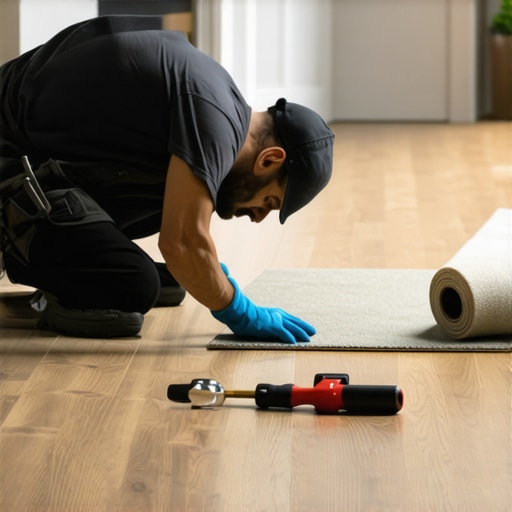
Ever spent hours carefully laying down a new carpet only to find it buckling, uneven, or starting to wear out within a year? I’ve been there. That frustrating moment when your home renovation feels like a step forward, but the new flooring quickly becomes a headache. I used to think that just laying the carpet flat and hoping for the best was enough. Spoiler: It’s not. Early on, I made a costly mistake by skipping proper floor leveling, thinking it was a hassle I didn’t need. Turns out, that tiny oversight cost me more than I’d like to admit, leading to uneven wear and tear that could have been avoided.
Why Proper Carpet Installation & Floor Leveling Matter Right Now
In today’s home improvement world, durability isn’t just a nice-to-have; it’s a must. With so many options popping up—from laminate to luxury carpets— homeowners are demanding quality that lasts. But what many don’t realize is that the secret to lasting beauty and performance lies in expert installation and meticulous floor leveling. Poorly installed flooring can lead to uneven surfaces, increased wear, and even safety hazards. And let’s be honest—no one wants to redo their floors every few years. That’s why investing time in proper prep work, like leveling, and understanding the nuances of installation can save you money and stress in the long run. If you’ve faced uneven floors or premature wear, you’re not alone. I promise, the solution isn’t as complicated as it sounds—once you know the right steps.
Is Carpet Installation and Floor Leveling Really Worth the Hype?
When I first started my DIY projects, I thought I could skip the detailed prep work. Big mistake. I learned the hard way that rushing through floor leveling can lead to uneven patches and a carpet that doesn’t sit right. It’s a mistake I see many homeowners make early on, and it’s understandable—these tasks can seem daunting. But here’s the truth: the difference between a good-looking, durable floor and a nightmare lies in the details. Proper techniques can make your flooring look professional and last for decades. For more insights, check out this guide on expert floor leveling. It’s packed with tips that transformed my approach and could do the same for you. Now, let’s dive into how you can master these skills and avoid the common pitfalls that trap so many homeowners.
Start with a Clean, Dry Surface
Before you even think about laying down new carpet or laminate, ensure your subfloor is spotless, dry, and free of debris. I once ignored this step and ended up with trapped dirt that caused bumps and uneven wear within months. Use a vacuum and a damp cloth to prep the surface thoroughly.
Identify and Address Uneven Areas
Walk across your floor to spot dips or high spots. For larger irregularities, a long straightedge or level can help you visualize problem zones. I recall a time I used a 4-foot level on my living room floor and noticed a ¼-inch dip near the doorway—fixing this early saved me headaches later. For significant unevenness, consult a professional or use self-leveling compound, which can be applied like a thick paint and dried overnight. Learn more about effective leveling techniques at this resource.
Applying Floor Leveling Compound
Pour the compound into low spots and spread with a trowel or squeegee. Think of it like spreading frosting on a cake—smooth and even. After it dries, sand down any high spots for a perfectly flat surface. I once had to re-sand a patch that was too thick, but the effort paid off with a seamless carpet.
Use the Right Tools and Materials
Invest in a quality trowel, self-leveling compound, and a good measuring tape. For laminate or vinyl, a specialized underlayment can help absorb minor imperfections. When I installed laminate in my hallway, I used an underlayment with a built-in leveling layer, making the process smoother and resulting in a professional finish. Check out this guide for tips on leveling underlaminate flooring.
Plan Your Layout Carefully
Measure and mark your starting point to keep your carpet or flooring straight. Use chalk lines or a laser level for precision. I learned the hard way that a crooked start leads to a skewed finish, so double-check your measurements before cutting. Proper planning minimizes waste and ensures your seams are tight and discreet.
Install the Carpet or Laminate with Precision
Follow manufacturer instructions meticulously. For carpets, stretch and tack the edges tightly to avoid wrinkles. For laminate, click each plank firmly, ensuring tight seams. During my first laminate install, I used spacers to maintain expansion gaps, which prevented buckling as the material expanded with heat. Remember, patience during this step results in lasting durability. For detailed installation techniques, visit this resource.
Finish and Inspect Your Work
Trim excess material carefully and check for any loose spots or wrinkles. Walk across the new floor to see if it feels solid and even. If you notice any imperfections, address them immediately before finishing. I once had to re-stretch a section of carpet that started to bubble after a week—early correction saved me from having to redo the entire room.
Applying these core steps with precision can dramatically improve the longevity and appearance of your flooring. Proper preparation, leveling, and installation techniques are your best allies for a durable, beautiful result that lasts for years. For more detailed tips, explore this comprehensive guide.
Many homeowners approach flooring and renovation projects with a set of assumptions that, while widespread, often lead them astray. Let’s dig deeper into what most people get wrong about carpet installation, floor leveling, showers, and laminate floors, and explore the nuances that can make or break your project’s success.
Why Rushing the Prep Work Is a Costly Mistake
One of the most pervasive myths is that prep work, including floor leveling, can be skipped or rushed without consequences. Everyone wants to save time and money upfront, but in my experience, neglecting proper leveling can cause issues that cost much more later. For example, uneven subfloors lead to premature wear, wrinkles, or gaps in your carpet or laminate. Experts emphasize that meticulous surface preparation ensures durability and aesthetic appeal. For detailed strategies, check out this expert guide.
Common Mistakes with Shower and Bathroom Renovations
Many homeowners underestimate the importance of waterproofing and proper slope in shower installations. A frequent error is assuming that sealing alone will prevent leaks; however, the underlying slope and waterproof membrane are critical. Poorly executed shower upgrades can lead to water damage, mold, and costly repairs. I’ve seen cases where neglecting these details resulted in leaks within months. Investing in professional waterproofing and following expert advice can save you from future headaches. For more insights, visit this comprehensive resource.
What Advanced Homeowners Need to Know About Laminate Flooring
Many believe that laminate is simply a quick, affordable flooring option, but the real nuance lies in installation and subfloor preparation. Laminate floors are sensitive to moisture, temperature fluctuations, and uneven surfaces. Advanced installers use specialized underlayments and precise tools to ensure long-lasting results. A common trap is using subpar underlayment, which can cause buckling or gaps over time. For a professional finish, review these expert tips on proper installation techniques.
In my experience, the hidden nuance is understanding the importance of surface flatness. Even small deviations, less than 1/8 inch over a length, can cause significant issues in laminate and other floating floors. Additionally, paying attention to expansion gaps and acclimation time ensures your floors remain stable and beautiful for years. Remember, what looks like a simple DIY project often benefits from a detailed plan and expert insight. Have you ever fallen into this trap? Let me know in the comments.
Keep It Running: Tools That Make a Difference
Maintaining your flooring, showers, and level surfaces over time requires the right equipment. I personally swear by a high-quality laser level, such as the Bosch GLL 3-330 C, which provides precise measurements to ensure your surfaces stay flat and even. It’s essential for verifying floor leveling after applying self-leveling compounds or installing laminate planks, preventing future issues like buckling or gaps. This guide highlights the importance of accurate leveling techniques that are easier with reliable tools.
For drywall and subfloor repairs, a sturdy hand sander like the Makita 9403 provides consistent results without over-sanding, saving you time and effort. When working with shower waterproofing membranes, a notched trowel ensures even application of sealants and membranes, which is critical for long-term durability. I recommend investing in an oscillating multi-tool, such as the Dremel Multi-Max, which simplifies cutting tiles or grout lines, especially in tight corners or around fixtures.
How do I maintain these systems over time?
Regular inspection is key. For floors, check for signs of unevenness or movement, and reapply leveling compounds if necessary. Keep your seals and waterproof membranes in showers clean and free from mold or debris, re-sealing as needed every few years. Using a moisture meter, like the Wagner Meters Orion 940, helps monitor the humidity levels beneath your flooring, which is crucial for preventing warping or mold growth in laminate and carpets.
Cleaning and basic upkeep extend the life of your installations. For example, vacuuming carpets regularly with a HEPA filter vacuum prevents dirt from settling into fibers, reducing wear. In showers, wiping down tiles and sealing grout joints every six months keep water from seeping where it shouldn’t. As trends shift toward smart home integrations, I foresee tools that connect with apps for real-time monitoring of humidity and structural integrity, making maintenance even more proactive and less time-consuming.
Try incorporating a digital moisture meter into your routine—it’s a game-changer for early detection of issues before they become costly repairs. Remember, the key to long-lasting results is not just the initial installation but ongoing maintenance with the right tools and consistent inspections. A small investment in quality equipment now can save you significant headaches and expenses later. For more detailed insights on maintaining your flooring and showers, check out this expert guide and make sure your surfaces stay beautiful and durable for years to come.
The Hardest Lesson I Learned About carpet install, floor leveling, showers, laminate
One of my most valuable lessons was realizing that rushing the foundational steps, like proper floor leveling, can undermine the entire project. Skipping meticulous prep led to uneven floors and early wear, which could have been avoided with patience and attention to detail. Now, I know that investing extra time in surface preparation pays off massively in long-term durability.
3 Myths About carpet install, floor leveling, showers, laminate That Held Me Back
For years, I believed that a quick sealant or a simple click-lock was enough for lasting results. I also thought waterproofing was just about sealing joints, not understanding the importance of proper slope and membrane in showers. These misconceptions cost me costly repairs and frustration. Learning the truth about these processes has transformed my approach and saved me money.
What Experts Won’t Tell You About carpet install, floor leveling, showers, laminate
Most professionals emphasize the importance of surface flatness, but few highlight how even minor deviations—less than 1/8 inch over a long span—can cause major issues in laminate and carpet installations. Mastering precise leveling with the right tools, like laser levels, is a game-changer. The secret is in the details that most DIYers overlook but are crucial for lasting beauty and performance.
Curated Recommendations for Lasting Results
My Essential Toolkit for flooring projects includes a high-quality laser level like the Bosch GLL 3-330 C, which ensures perfect flatness and prevents future buckling. I also trust the Wagner Meters Orion 940 moisture meter to monitor humidity levels beneath floors, catching issues early. For leveling compounds, I recommend the self-leveling option from reputable brands, which makes the process smoother. Lastly, reading detailed guides like this comprehensive resource has been invaluable in my journey.
Embrace the Challenge and Transform Your Space
Taking control of your flooring and shower upgrades might seem daunting at first, but the rewards are worth it. Every project is an opportunity to learn and improve, turning your home into a durable, beautiful space. Remember, the key is patience, proper tools, and attention to detail. Your dream home is within reach—start today and enjoy the process of creating something lasting and meaningful.
What’s the biggest obstacle you’ve faced in your home renovation journey? Share your story below—I’d love to hear about your experiences and solutions!