Ever stepped onto a seemingly smooth floor only to feel that unsettling wobble under your feet? I’ve been there, and let me tell you, nothing kills a cozy home vibe faster than uneven flooring. I vividly remember the day I first tried to tackle my own floor, expecting a quick fix. Instead, I ended up with a wobbly mess that made me question everything I knew about DIY. But here’s the thing—after some trial, error, and a few costly mistakes, I finally cracked the code. And today, I want to share my journey and how you can avoid my pitfalls to achieve lasting home style with expert floor leveling and laminate tips.
Why Proper Floor Leveling Can Make or Break Your Home’s Look
When I first started my renovation project, I underestimated how crucial a level floor truly is. A perfectly leveled foundation doesn’t just look better; it prevents future issues like cracked tiles, squeaky floors, and uneven furniture. According to industry experts, improper leveling can reduce the lifespan of your flooring and lead to costly repairs down the line. That’s why investing time and effort into mastering the basics of floor leveling is worth every second. It’s the secret ingredient to a durable, sleek, and comfortable home environment. If you’ve ever faced uneven surfaces or struggled with laminate installation because of unevenness, you’re not alone. Many DIYers overlook this step, leading to frustrating results that could have been avoided with the right knowledge.
Is Floor Leveling Really That Important for Lasting Results?
Absolutely. I once skipped the initial leveling process because I thought it was a minor detail. Big mistake. My laminate flooring started creaking, and the edges began lifting within months. That early mistake taught me a hard lesson: skip the prep work, and your home’s beauty and durability suffer. To build trust, I recommend checking out trusted sources like expert laminate floor leveling tips for comprehensive guidance. Proper leveling not only makes installation smoother but also ensures that your flooring lasts for years without issues. Ready to learn the practical steps that will set your project up for success? Let’s dive in and get those floors perfectly level—because your home deserves the best foundation.
Secure the Foundation with Precise Floor Preparation
Start by thoroughly inspecting your subfloor for any major dips or bumps. I remember my first attempt where I ignored a stubborn bump near the doorway. When I laid down the laminate, it caused gaps and uneven edges. To fix this, I used a self-leveling compound, mixing it according to the manufacturer’s instructions, and carefully poured it into low spots. Use a long straightedge to spread the compound evenly and allow it to cure completely before proceeding. Think of this step as laying a solid groundwork—like leveling a boat hull before launching. For detailed guidance, check out expert floor leveling tips for laminate floors.
Achieve Perfect Flatness with the Right Tools
Invest in a high-quality laser level or a long spirit level to identify uneven areas. I placed the laser level across the room, which illuminated high and low spots I hadn’t noticed before. Mark these zones, then apply patches or additional leveling compounds to low areas. Don’t rush this process; patience pays off. If you encounter stubborn unevenness, consider using a floor grinder or sander for minor corrections. This step is like tuning a musical instrument—precision ensures harmony in the final look. For more expert advice, visit floor leveling strategies.
Prepare for Laminate Installation
Before laying the laminate, allow the flooring to acclimate in the room for 48 hours. This prevents warping or gaps caused by temperature and humidity fluctuations. I remember opening the boxes and spreading the planks out, which helped me spot any defective pieces. Use spacers along the walls to maintain expansion gaps, preventing buckling over time. Lay out the planks in your desired pattern, then cut them precisely using a saw. This is akin to setting the stage before a performance—each piece must fit perfectly for a flawless show. For comprehensive tips, refer to laminate installation tips.
Lay the Laminate with Confidence
Begin installation from a corner, clicking the planks together tightly. Use a tapping block and a mallet for snug fits, especially at the edges. I once skipped the tapping step, which resulted in gaps and a loose feel. After completing the layout, install transition strips and baseboards to hide expansion gaps and give a polished look. Remember, patience and attention to detail are your best allies here—like assembling a puzzle where every piece matters. For more expert insights, visit laminate flooring upgrades.
Final Checks and Tips for a Lasting Finish
Once installed, walk over the floor to identify any uneven spots or loose planks. If you find any, gently tap or re-click the pieces. Also, ensure all transition strips are secure. Protect your new floor by applying furniture pads and avoiding dragging heavy objects. These small steps preserve the integrity of your work, much like a protective coat preserves artwork. For detailed finishing techniques, explore lasting laminate tips.
Many DIY enthusiasts believe that the main challenge in floor leveling is simply ensuring the surface is flat. However, the real nuance lies in understanding the underlying causes of unevenness and addressing them properly. For example, relying solely on self-leveling compounds without inspecting the subfloor can lead to recurring problems, as the root issue remains unaddressed. A common myth is that once the surface appears even, the job is done. In reality, small dips or high spots can still cause long-term damage or aesthetic flaws. Industry experts emphasize the importance of thorough subfloor analysis and correction before applying leveling compounds, which can be more effective in the long run. For advanced tips, check out expert floor leveling strategies to avoid costly mistakes.
Why do many projects fail even after seemingly perfect leveling?
This often occurs because of neglecting proper moisture control and acclimation. Laminate and other flooring materials are sensitive to humidity and temperature changes, which can cause warping or gaps if not managed correctly. For instance, installing laminate immediately after a humid day without acclimation can lead to buckling months later. Experts recommend allowing materials to settle in the room for at least 48 hours, as detailed in laminate installation tips. Additionally, failing to maintain proper expansion gaps can trap moisture and cause deformation. This hidden nuance often trips up even seasoned DIYers, so attention to environmental factors is crucial for lasting results.
Moreover, many underestimate the importance of using high-quality tools like laser levels or long spirit levels. Inaccurate measurements can lead to uneven patches that are not visibly obvious but compromise the entire floor’s stability. Investing in these tools and learning to interpret their readings correctly can make a significant difference. Remember, the goal isn’t just a flat surface but a durable, long-lasting foundation that withstands daily wear and tear. For a more comprehensive approach, explore advanced leveling techniques that focus on precision and longevity.
Finally, don’t overlook the importance of proper surface preparation. Skipping steps like cleaning the subfloor thoroughly or not repairing minor damages can allow issues to persist. These seemingly minor details can snowball into major problems down the line. Take the time to evaluate every inch of your surface and correct as needed before proceeding with leveling and installation. It’s these nuanced, often-overlooked steps that distinguish a professional finish from a botched job. To master these details, visit expert advice on surface prep. Remember, patience and attention to detail are your best allies in achieving a flawless, durable floor. Have you ever fallen into this trap? Let me know in the comments!”},
Maintaining a perfectly leveled floor over time requires not just initial expertise but also the right set of tools to ensure longevity and ease of repairs. As someone who has navigated the complexities of floor leveling, I strongly recommend investing in specific equipment that can save you time and prevent future headaches. First, a high-quality laser level is indispensable. I personally use a Bosch GLL 55 Self-Leveling Cross-Line Laser because it provides precise, clear lines that make identifying uneven areas straightforward. This tool’s accuracy helps me double-check my work after applying leveling compounds, ensuring every inch remains true over the years.
Next, I rely on a long spirit level, especially for larger rooms. My preferred choice is the Stabila 378M 78-Inch Aluminum Level. It’s robust, highly accurate, and easy to handle. I use it to verify flatness after applying leveling compound and before proceeding with laminate installation. These tools are vital because they allow me to spot minor dips or high spots that might not be visible to the naked eye, preventing issues like creaking or buckling later.
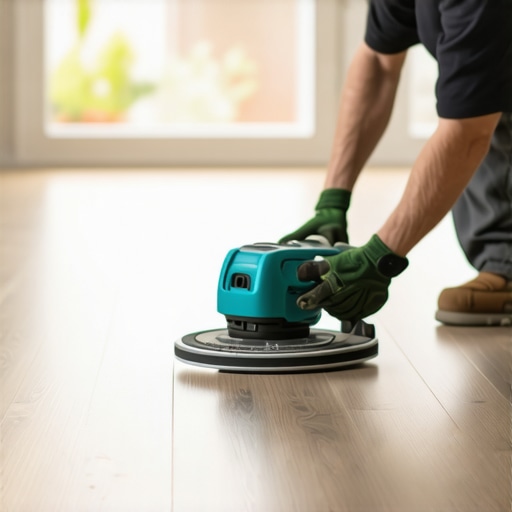
For surface preparation, I utilize a heavy-duty floor grinder with a diamond abrasive disc. It’s perfect for minor corrections when uneven spots are stubborn. I’ve found that a good grinder helps me achieve a smoother, more consistent surface, which significantly extends the lifespan of my flooring. Of course, safety gear like dust masks and ear protection are non-negotiable when operating these machines.
To apply leveling compounds uniformly, I prefer a professional-grade trowel and a plastic spreader. These tools help me achieve a seamless, even layer of compound, crucial for durable results. I also keep a moisture meter handy, like the Tramex MEP Moisture Meter, to ensure the subfloor maintains appropriate moisture levels, which is critical for preventing future warping or cracking.
In terms of software, I recommend using digital measurement apps on your smartphone for quick, on-the-go checks. These apps aren’t as precise as physical tools but are handy for initial assessments and double-checks.
Looking ahead, I believe the trend will lean toward smarter, integrated leveling systems that combine laser guidance with automated adjustments, making DIY projects even more accessible and precise. As technology advances, staying updated with the latest tools can elevate your craftsmanship and ensure your floors stand the test of time.
**How do I maintain the tools I’ve invested in?** Regular calibration of laser levels and spirit levels is essential. I schedule these checks every six months to ensure ongoing accuracy. Cleaning tools after each project prevents dust and debris from affecting performance. For power tools like grinders, I follow manufacturer maintenance routines, including blade checks and motor inspections. This proactive approach preserves tool quality and extends their lifespan, saving money in the long run.
If you’re serious about long-lasting results, I encourage you to try out a laser level with auto-alignment features. It simplifies the process and increases precision, especially in larger or more complex rooms. Remember, investing in the right tools isn’t just about making your project easier but about ensuring it endures for years to come. For more insights on maintaining your flooring projects, visit expert tips.
The Hardest Lesson I Learned About Floor Leveling
One of the most eye-opening lessons I encountered was realizing that proper subfloor inspection is absolutely crucial. I once skipped detailed checks, thinking a quick patch would suffice, only to face unevenness that ruined my entire project. It taught me that understanding the root causes of uneven floors—be it moisture issues, structural shifts, or previous poor installations—is key to a durable finish. This insight saved me from future headaches and costs, and I want you to learn from my mistake.
3 Myths About Floor Leveling That Held Me Back
Initially, I believed that using self-leveling compounds alone could fix any unevenness. Big mistake. The truth is, these compounds are just one piece of the puzzle; without proper surface prep and moisture control, problems will persist. Another myth was thinking that a visually flat surface was enough—tiny dips can cause long-term damage. Lastly, I underestimated the importance of high-quality tools, which can make or break your project’s longevity. Busting these myths early can change your approach and outcomes.
What Experts Won’t Tell You About Achieving Flawless Floors
Experts often emphasize thorough subfloor analysis and environmental control—details that many DIYers overlook. One lesser-known tip is investing in a laser level with auto-alignment, which I now swear by for precision. Additionally, regular calibration of tools and moisture monitoring are vital for lasting results. These expert strategies might seem small but are the secret weapons for a floor that not only looks perfect but endures the test of time.
My Essential Toolkit for Floor Leveling
My go-to tools include a Bosch GLL 55 Laser Level for accuracy, which helps me double-check every step. A Stabila 378M 78-Inch Spirit Level is perfect for larger spaces, ensuring flatness before installation. For surface prep, a diamond abrasive floor grinder is invaluable for minor corrections. I also rely on a moisture meter like the Tramex MEP to prevent future warping. These tools have consistently saved me time and money, and I trust them to deliver professional results.
Where to Go from Here
If you’re serious about achieving a durable, beautiful floor, start with quality tools and a solid understanding of your subfloor. Keep learning—reading expert guides and practicing patience. Remember, the foundation you lay today determines the style and longevity of your home tomorrow. Dive into the resources linked throughout this article, especially expert tips for laminate floors, to elevate your project from good to great.
Take the First Step Toward Flawless Floors
Your journey to a perfectly leveled and lasting home starts now. Don’t let fear or uncertainty hold you back—every expert was once a beginner. Embrace the learning process, invest in the right tools, and pay attention to every detail. Your future self will thank you for the sturdy, beautiful floors that will serve your family for years. Now I want to hear from you: have you ever struggled with the initial leveling process? Share your experience below and let’s grow together!