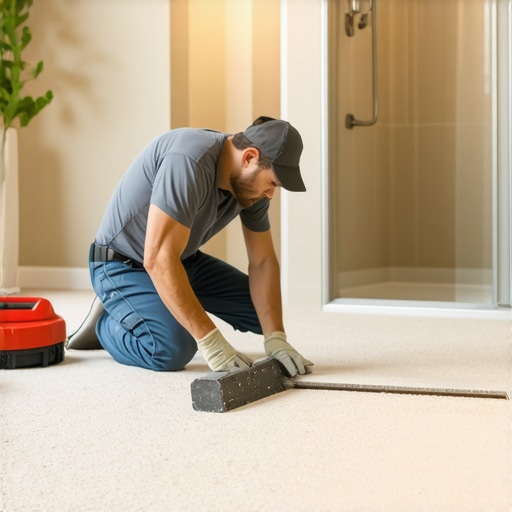
Ever felt that sinking feeling when your brand-new carpet starts showing wear just a few months after installation? Or worse, noticing your shiny new shower tile develop cracks sooner than expected? I sure have. I remember rushing into a home upgrade without doing enough homework, only to be left with costly repairs and a lingering sense of regret. That was my lightbulb moment — realizing that trusting the right professionals isn’t just about getting the job done; it’s about getting it done right and lasting for years to come.
Why Trusting the Right Installer Matters More Than You Think
When it comes to major home upgrades like carpets and showers, the quality of installation can make or break your investment. It’s tempting to focus on the materials — the plushness of the carpet or the sleekness of the fixtures. But the truth is, poor installation can ruin even the most premium products. I learned this the hard way early on, rushing into a carpet replacement without checking the credentials of the installer. I ended up with uneven flooring and a lot of frustration. Since then, I’ve discovered that choosing a reputable company like Trust Premier makes all the difference. They understand that lasting results come from skilled craftsmanship and proper prep work, especially when it involves complex tasks like floor leveling or waterproofing showers.
Have You Faced This Problem?
If you’ve ever experienced the disappointment of a home upgrade that looks great initially but doesn’t stand the test of time, you’re not alone. Many homeowners underestimate how crucial expert installation really is. The good news? It’s never too late to get it right. In fact, I’ll walk you through the steps that helped me avoid future pitfalls and ensure my renovations lasted well beyond the initial excitement.
One surprising fact I came across was that improper floor leveling alone can reduce the lifespan of your flooring by years. For example, uneven surfaces can cause laminate or carpet to wear unevenly or prematurely fail. Check out this guide on proper floor leveling techniques that can save you money and headaches in the long run. Today, I’ll share practical tips on how to select a trusted installer, what questions to ask, and how to spot signs of quality work — all based on my personal experience and trusted industry insights.
So, if you’re contemplating a new carpet or shower upgrade and want it to last, stay tuned. The next sections will arm you with the knowledge to make smart choices and avoid the costly mistakes I made early on. Because your home deserves nothing less than the best, and with a little homework, you can achieve beautiful, durable results that truly stand the test of time.
Vet Your Installer Like a Pro
Start by researching local companies with stellar reviews and proven track records, such as Trust Premier. When I hired them for my bathroom remodel, I checked their portfolio and customer feedback, which reassured me of their expertise. Always ask for licenses and insurance certifications—these are your safety nets against shoddy work.
Ask the Right Questions Before Hiring
Prepare a list of essential questions: How do they handle surface prep? What’s their process for waterproofing showers? Do they guarantee their work? I once caught a contractor on the spot when he hesitated on explaining his waterproofing method—turns out, he used a cheaper sealant that failed within months. Clear communication helps avoid such pitfalls.
Inspect Their Work During and After Installation
During installation, stay on-site to observe critical steps like floor leveling. For example, I watched as my installer used a self-leveling compound, which is crucial for even flooring and prevents premature wear. Post-installation, check seams, grout lines, and the overall finish. A quick visual inspection saved me from future cracking issues—learned this from my own messy experience.
Spot Quality Materials and Techniques
Trustworthy installers will use high-quality materials and proper techniques. For carpets, ask about their floor leveling approach—see this guide for detailed steps. For showers, confirm waterproofing methods, similar to the tips found here. These details influence durability and longevity.
Verify Workmanship with a Final Walkthrough
Once the project wraps, do a thorough walkthrough. Check for uneven seams, loose tiles, or gaps. I found a small mismatch in grout color after my shower was installed; pointing it out early allowed for quick fixes, saving me money and ensuring the aesthetic I wanted. Don’t rush this step—quality work is visible in the details.
Leverage Industry Resources for Better Results
Use expert guides like floor leveling tips or shower renovation strategies to arm yourself with knowledge. The more you understand the process, the better equipped you are to spot subpar work and demand excellence. Trusting the right professional is about being informed and assertive—skills I sharpened through personal trial and error, but you can skip the mess with these clear steps.
Many homeowners believe that choosing the most expensive materials guarantees durability and quality, but the real game-changer is often the installation process. For example, even premium carpets can fail prematurely if not installed correctly, especially if floor leveling isn’t handled meticulously. In my experience, rushing the installation or relying on inexperienced workers can lead to uneven surfaces, gaps, and cracks that diminish the lifespan of your renovation. Instead, investing in a skilled professional who understands the nuances of surface prep, waterproofing, and finishing techniques makes a significant difference. You can learn more about the importance of proper floor leveling by visiting this guide.
Why do so many renovation failures happen despite using high-quality materials?
It’s a common myth that material quality alone determines the longevity of your upgrade. However, studies show that improper installation accounts for over 70% of home renovation failures, especially in complex tasks like shower waterproofing or laminate flooring. Waterproofing, for instance, needs more than just a good sealant; it requires an understanding of proper layering, vapor barriers, and drainage. Many homeowners overlook these details, leading to leaks, mold, and structural damage down the line. To avoid this trap, ensure your installer follows best practices outlined in resources like this comprehensive guide.
Another nuance often missed is the importance of detailed inspections post-installation. Visual checks for grout consistency, seam alignment, and surface evenness can reveal issues before they become costly repairs. I once ignored a small grout mismatch, which later caused water seepage and mold growth. Catching such mistakes early can save you hundreds of dollars and time. Remember, quality work is visible in the details, and a final walkthrough is your best safeguard.
Have you ever fallen into this trap? Let me know in the comments. The key takeaway is to prioritize skilled craftsmanship over just material selection. By understanding these hidden nuances, you can make smarter decisions, ensuring your home upgrades stand the test of time and provide lasting value.
Maintaining the quality of your home improvements over time requires more than just the initial investment in materials and skilled installation. Having the right tools and techniques at your disposal can extend the lifespan of your renovations, making sure they stay beautiful and functional for years to come. From precision leveling tools to waterproofing supplies, I’ve found that using specific, high-quality equipment makes all the difference in achieving durable results.
How do I maintain my renovations over time?
One of my go-to strategies is investing in professional-grade equipment that ensures consistency and accuracy during ongoing maintenance. For example, a laser level like the Bosch GLL 55 has become indispensable for checking floor evenness after years of use. It allows me to quickly identify areas that need touch-ups or re-leveling without guesswork. Additionally, a good moisture meter, such as the Protimeter Surveymaster, helps detect hidden leaks or dampness that could compromise waterproofed shower areas, saving expensive repairs later.
Another critical tool I rely on is a quality grout removal and cleaning kit. This makes routine inspections and minor repairs straightforward, especially in grout lines where cracks or mold can develop over time. Maintaining the integrity of waterproofing layers in showers is crucial; for this, I use specialized sealant applicators that ensure even, thorough coverage, which is essential for long-lasting waterproofing. For more detailed tips on waterproofing techniques, check out this guide.
Looking ahead, I predict that automation and smart tools will play an increasing role in home maintenance. Devices that monitor humidity, detect leaks, and even suggest maintenance schedules will become standard, making it easier than ever to keep everything working smoothly.
Why using the right tools matters in renovation upkeep
Using tailored equipment like a self-leveling laser or a digital moisture reader not only streamlines routine checks but also prevents minor issues from escalating into costly repairs. Regularly inspecting your surface finishes and waterproof layers with these tools ensures your investments are protected and maintain their aesthetic appeal. For instance, maintaining proper floor leveling with the help of professional-grade leveling tools guarantees that your carpets or laminate flooring stay even and durable over many years.
Incorporate these advanced tools into your home maintenance routine, and you’ll find it easier to spot issues early, saving time and money. Don’t hesitate to try out a laser level or moisture meter next time you do a quick check — your future self will thank you for the proactive approach. Keep your home upgrades working perfectly by staying diligent with the right equipment, because in the world of home renovation, maintenance is just as crucial as the initial installation.
The Hardest Lesson I Learned About Home Renovations
One of my biggest lightbulb moments was realizing that even the most expensive materials can fail prematurely if not installed correctly. I once chose premium carpet, only to see it uneven and worn out within a year because I overlooked the importance of proper floor leveling. This taught me that investing in a skilled installer and understanding the installation process is more crucial than the material itself.
3 Myths About Home Renovation That Cost Me Dearly
I used to believe that DIY fixes could replace professional craftsmanship for complex tasks like waterproofing showers. Turns out, shortcuts in waterproofing can lead to leaks and mold, costing hundreds in repairs later. Now I know that trusting experts and following detailed guides ensures longevity and peace of mind.
What Experts Won’t Tell You About Keeping Your Upgrades Durable
Most homeowners don’t realize that routine inspections with the right tools can extend the life of their renovations significantly. Using a laser level to check surface levelness or a moisture meter to detect hidden leaks can prevent small issues from turning into costly disasters. These seemingly simple steps are game-changers in maintaining lasting results.
My Essential Toolkit for Long-Lasting Home Improvements
Over the years, I’ve found that certain tools are indispensable. A Bosch GLL 55 laser level helps me ensure my floors stay even, while a Protimeter Surveymaster moisture meter alerts me to hidden dampness. For grout and sealant maintenance, a quality applicator makes all the difference. Trusting these tools, combined with regular inspections, keeps my home upgrades looking and performing their best.
Your Turn to Make It Last
Now that you know the lessons learned and tools that truly make a difference, it’s time to take action. Don’t hesitate to ask your installer detailed questions, inspect their work carefully, and invest in the right equipment for ongoing maintenance. Your home deserves renovations that stand the test of time — and with these insights, you’re well on your way.
http://Michael%20Thompson
Reading through this post really underscores how crucial proper installation is for the longevity of home upgrades like carpets and showers. I personally had a bathroom remodel years ago where the waterproofing wasn’t handled correctly, and it led to leaks and mold about a year after. It was a costly lesson that taught me to always prioritize certified, experienced professionals over cheaper, less experienced options. One thing I’ve learned is that even the best materials can fail prematurely if the installation isn’t meticulous—especially in areas prone to moisture. I’m curious, has anyone here tried implementing regular inspections with digital tools like moisture meters or laser levels to catch issues early? I believe keeping a proactive maintenance routine could save a lot of headaches down the road, especially in high-use areas. Would love to hear how others balance ongoing upkeep with their busy schedules.
http://Emily%20Carter
This post hits home for me because I’ve seen firsthand how poor installation can ruin what might have been a beautiful renovation. About a year ago, I had my bathroom remodeled, and the waterproofing was done hastily by a less reputable contractor. It wasn’t until I started seeing tiny mold spots and water seeping around the edges that I realized how crucial proper waterproofing and surface prep are. I’ve since learned to ask for detailed explanations of the waterproofing process and verify certifications before hiring anyone. Interestingly, I’ve started using a handheld moisture meter regularly to check for leaks—especially after heavy showers—to stay ahead of any potential issues. Has anyone here integrated regular inspection routines into their home maintenance? I’d love to hear what tools or schedules others use, especially for areas prone to moisture, to prevent costly repairs later. It’s fascinating how small proactive steps can extend the lifespan of your upgrades so significantly.