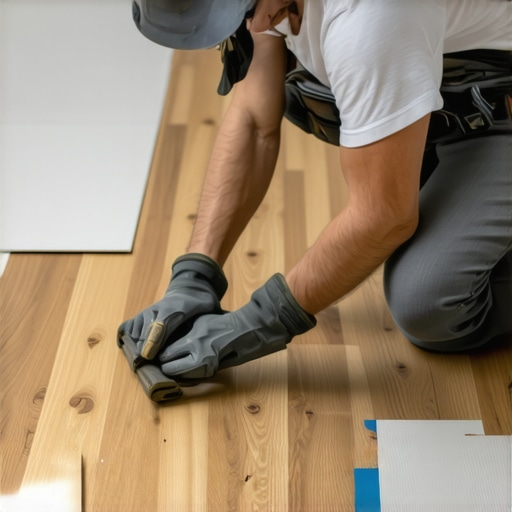
Have you ever walked into a room and immediately noticed that your floors aren’t quite right? Maybe there’s a faint slope, or a tile that wobbles just a bit too much. I’ve been there myself. One day, I finally realized that uneven floors weren’t just a cosmetic issue—they could actually damage your home’s value and comfort over time. That lightbulb moment led me down a path of learning and experimenting with expert tips for floor leveling and laminate installation. Now, I want to share what I’ve discovered so you don’t have to make the same costly mistakes I did.
Why Proper Floor Leveling Matters More Than You Think
When I first tried to install laminate flooring myself, I brushed off the importance of a perfectly leveled subfloor. I thought, “How bad can it be?” Turns out, very. A small unevenness can cause gaps, warping, and even premature damage to your beautiful new floor. Not to mention, it can be downright dangerous if the floor isn’t stable. According to flooring experts, improper leveling can reduce the lifespan of your flooring by years. That’s why I now swear by thorough floor preparation before laying down any new surface.
Today, we’re going to dive into the best tips for leveling your floors so they stay durable and beautiful for years. Whether you’re tackling a small section or a whole house, these expert strategies will save you time, money, and frustration.
Is Floor Leveling Really Worth the Effort
Honestly, I used to think that skipping the prep was fine—until I saw the mess it caused in my living room. That mistake was a wake-up call. Now, I always emphasize the importance of proper leveling, especially with laminate flooring, which is unforgiving of imperfections. If you’re worried about the hassle, remember that investing in quality underlayment and leveling compounds can make your life much easier. Plus, I’ve found that following expert tips, like those found at this comprehensive guide, helps ensure lasting results.
So, if you’ve faced or fear uneven floors, don’t worry—you’re not alone. And the good news is, with the right approach, you can achieve a flawless, durable finish that enhances your home’s beauty and value. Ready to learn how? Let’s get started with the first steps to perfect floor leveling.
Start with a Solid Assessment
Before you dive into leveling, walk across your floor and pinpoint every uneven spot. I remember when I first attempted this, I used a simple bubble level on a long straightedge, which revealed hidden dips in my subfloor I hadn’t noticed.
This initial step ensures you know exactly where and how much work is needed, preventing surprises later. For large projects, consider renting a laser level for greater precision, similar to how experts at this guide recommend for detailed assessments.
Prepare Your Tools and Materials
Gather everything you need: a high-quality self-leveling compound, a trowel, a mixer, a broom, a vacuum, and protective gear. I once rushed this step and found myself scrambling for tools mid-project, which caused delays and mess. Planning ahead saves time and keeps the work smooth.
Clean and Prime the Surface
Thoroughly sweep, vacuum, and wipe the subfloor to remove dust and debris. If the surface is porous, apply a primer as recommended by professionals. Skipping this step can cause the leveling compound to fail, leading to future cracks.
Mix and Pour the Leveling Compound Carefully
Follow the manufacturer’s instructions precisely. When I first mixed my compound, I overwatered it, which resulted in a runny consistency and uneven curing. Use a clean, sturdy mixer and avoid over-mixing for a consistent pour. Pour the compound slowly into the low spots, like pouring syrup into a pancake, to prevent air bubbles and ensure even thickness.
Spread and Smooth the Compound
Use a trowel or a gauge rake to spread the compound evenly. Think of it as icing a cake—smooth and level, avoiding ridges or dips. Let it cure fully, which typically takes 24-48 hours, depending on product instructions. During my first attempt, I rushed curing and ended up with an uneven surface, emphasizing the importance of patience.
Check the Level Again and Prepare for Flooring
Once cured, recheck the surface with a level or straightedge. Minor imperfections can be sanded down with a fine-grit sander if necessary. Now, your subfloor is ready for laminate installation, providing a stable foundation that enhances the lifespan of your flooring. For detailed guidance, see this expert tip list.
Many homeowners believe that a simple layer of leveling compound is enough to fix uneven floors, but this is a nuanced process that requires careful attention to detail. One of the most widespread myths is that any self-leveling compound can be used interchangeably. In reality, different compounds have specific properties suited for particular subfloor conditions. For example, some are better for wood subfloors, while others excel on concrete. Using the wrong product can lead to cracks, crumbling, or future unevenness. To ensure durability, always select the appropriate leveling solution based on your subfloor type, as recommended at this guide.
Beware the One-Size-Fits-All Approach
Another common mistake is rushing through the preparation phase. Many think that once the leveling compound is poured, the job is done. However, improper surface preparation—like skipping cleaning or priming—can cause adhesion issues. This mistake often manifests as cracks or de-lamination months after installation. Properly cleaning and priming the surface is crucial for a lasting fix. According to industry experts, neglecting this step can compromise the entire project, leading to costly repairs down the line. For detailed tips, check out this resource.
Is There a Hidden Technique That Matters More?
Indeed, advanced practitioners know that controlling the pour and spread of the compound is vital. Pouring too quickly or spreading unevenly can trap air bubbles, leading to weak spots. Using a gauge rake or a straightedge during spreading helps achieve a truly flat surface. Moreover, curing time is often underestimated; rushing this process can cause cracks or uneven curing. Experts emphasize patience—curing can take 24-48 hours or longer depending on conditions. Skipping this step is a common trap that undermines the entire leveling effort. For expert insights, visit this guide.
Finally, for those aiming for the best results, consider the subtle effects of environmental factors like humidity and temperature during curing. These can affect the compound’s integrity, leading to hidden flaws that only become apparent later. Advanced DIYers and professionals alike pay close attention to these details, ensuring a flawless finish that lasts. Have you ever fallen into this trap? Let me know in the comments. Proper understanding and execution of these nuances will save you time and money in the long run.
Keeping your expertly leveled floors in top shape requires the right tools and a bit of know-how. Over the years, I’ve tested various equipment that not only streamline the maintenance process but also ensure long-lasting durability. One of my top recommendations is a high-quality laser level. Unlike traditional bubble levels, laser levels provide a precise, continuous line across large surfaces, making it easier to spot any new unevenness that might develop over time. I personally prefer the DEWALT DW089LG, which offers exceptional accuracy and durability, perfect for periodic checks in busy household environments.
Another essential tool I swear by is a reliable moisture meter. Floors can shift or warp due to moisture changes, especially in basements or homes with high humidity. A moisture meter like the
For minor touch-ups, a quality putty knife and a bag of self-leveling compound are invaluable. I keep a small container of Quikrete Self-Leveling Floor Repair on hand. It’s easy to mix and apply, making it ideal for filling small dips or smoothing out minor imperfections that appear over time. Remember, even well-installed floors can develop slight irregularities, and addressing them promptly maintains your surface’s longevity.
To keep your floor surface smooth and stable, I recommend investing in a good vacuum and broom combination. Dust and debris can settle into tiny cracks, accelerating wear. Regular cleaning with a HEPA-filter vacuum helps maintain the integrity of the surface, especially after minor repairs or during seasonal changes when expansion and contraction are more likely.
Looking ahead, I predict that smart tools—like IoT-enabled sensors—will become standard for home maintenance. These devices can track moisture levels, temperature fluctuations, and even detect shifts in the subfloor in real-time. Integrating such technology with your routine could revolutionize how we care for our floors, making proactive maintenance easier than ever.
How do I keep my floors in perfect condition over time?
The key is regular inspection and prompt repairs. Use your laser level periodically to check for new unevenness, and rely on moisture meters to catch hidden issues early. When minor dips or cracks appear, don’t hesitate to fill them with the right repair compounds—this simple step can extend your floor’s lifespan significantly. Additionally, consistent cleaning and avoiding excess moisture are critical. Scheduling seasonal maintenance checks, especially before and after winter or rainy seasons, helps preserve your investment. For comprehensive guidance on long-term care, I recommend visiting this expert resource. Remember, proactive maintenance not only preserves your floors’ beauty but also ensures they remain safe and functional for years to come. Try setting up a regular inspection routine with your laser level and moisture meter—you’ll be surprised how much easier it becomes to maintain a flawless surface.
The Hardest Lesson I Learned About Floor Leveling
One of the biggest surprises I encountered was realizing how critical proper floor leveling is for the durability of laminate floors. Initially, I underestimated the importance of thorough assessment and preparation, which led to cracks and uneven spots that took months to fix. That experience taught me to never skip the initial evaluation and to always invest in quality tools like laser levels for precise measurements.
Three Myths About Floor Leveling That Held Me Back
I believed that any self-leveling compound would do the job, but I learned that different subfloor types require specific products. Using the wrong compound caused cracks and crumbling, setting me back weeks. Now, I trust expert-recommended guides to choose the right materials, ensuring long-term stability and avoiding costly repairs.
What Experts Won’t Tell You About Achieving Perfect Floors
Patience during curing is often overlooked. Rushing the process by skipping proper drying time led to weak spots and future unevenness in my flooring. Experts emphasize that patience and attention to environmental factors like humidity can make the difference between a flawless finish and a costly mistake. Follow detailed instructions at this guide for best results.
My Essential Toolkit for Floor Leveling
For anyone serious about floor leveling, I recommend investing in a high-quality laser level such as the DEWALT DW089LG. It provides consistent accuracy over large surfaces, making future inspections easier. A reliable moisture meter like the Extech MO290 helps detect moisture issues early, preventing future warping or cracking. Keep a good trowel and self-leveling compound handy for minor touch-ups; they are game-changers for maintaining a smooth surface over time.
Where to Go from Here
If you’re ready to elevate your flooring project, start with thorough assessment and careful preparation. Regular inspections using your laser level and moisture meter can help you catch issues before they become costly. Remember, proactive maintenance extends the lifespan of your floors and keeps them looking flawless for years. For comprehensive, expert-approved tips, visit this resource to keep your floors in top shape.
Your Turn to Try
Now that you know some of the insider lessons about floor leveling, what’s the first step you plan to take? Are you going to assess your subfloor with a laser level or start by gathering your materials? Share your plans below—I’d love to hear how you’re preparing to create a durable, beautiful laminate floor that lasts.
http://Rachel%20Johnson
This post really hit home for me because I recently underestimated the importance of proper subfloor prep when trying to install laminate flooring in my basement. I skipped some of the initial assessment steps because I thought a quick patch or leveling would suffice, but I ended up with cracks and uneven patches that took weeks to repair. Reading this, I realize how crucial it is to invest in the right tools, like a quality laser level or moisture meter, to prevent those issues from happening again. The advice about environmental factors during curing really resonated with me—I didn’t realize humidity and temperature could affect the drying process so much.
I’m curious, how do others here handle potential moisture issues in high-humidity areas? Do you always use a moisture barrier or special primers before applying leveling compounds? I’m considering upgrading my approach, and would love to hear about your experiences and recommendations for maintaining a flawless, durable floor long-term.