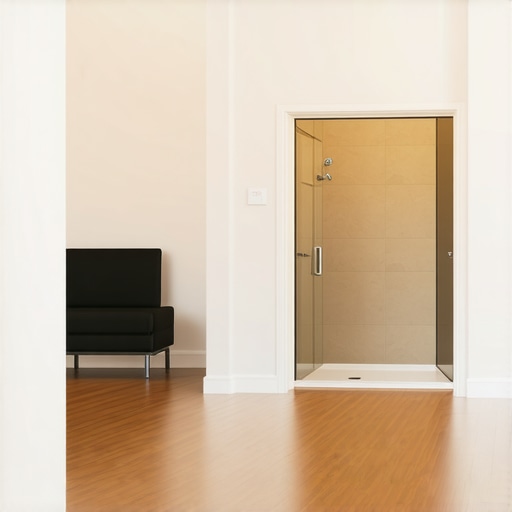
Have you ever stepped into your bathroom only to be greeted by a stubborn leak, cracked tiles, or a dull, outdated look that saps your home’s charm? I’ve been there. I remember the moment I realized my old shower was more of a liability than a luxury. It was a lightbulb moment that pushed me to learn the ins and outs of quality renovations. What I discovered changed my approach forever — not all upgrades are created equal, especially when it comes to laminate flooring and shower renovations meant to last.
Why Cutting Corners Can Cost You Big Time
Early on, I made a costly mistake: I chose a cheap laminate flooring option without considering proper installation or moisture protection. The result? Warping, gaps, and a short lifespan. That experience taught me a vital lesson: investing in quality and proper techniques isn’t just smart; it’s essential for lasting home upgrades. Today, I’m here to share how you can avoid the same pitfalls and ensure your renovation stands the test of time. Whether you’re contemplating new flooring or upgrading your shower, I’ll walk you through proven steps that have worked wonders for me and countless others.
Is a Home Makeover Worth It If It Doesn’t Last?
One of the biggest fears I hear from homeowners is investing in renovations that look great initially but fail prematurely. I remember rushing into a shower upgrade with a budget provider, only to face leaks and mold within a year. That mistake cost me more in repairs and frustration. Trust me, I’ve learned the hard way that quality materials, proper leveling, and expert installation are keys to durability. If you’ve faced similar doubts or setbacks, you’re not alone. Fortunately, with the right guidance and resources, you can make informed decisions that deliver lasting value. For example, following expert tips on floor leveling for laminate and shower installation, I’ve transformed my space into a durable, beautiful sanctuary.
Upgrading your home isn’t just about aesthetics; it’s about creating a space that withstands the test of time. Ready to dive into the practical steps that can help you achieve this? Let’s get started.
Prepare Your Surface Properly
Before laying down new laminate flooring or installing a shower, ensure the existing surface is flat, clean, and dry. I once neglected this step and faced uneven floors that creaked and warped over time. To avoid this, I used a laser level to identify high and low spots, then applied a self-leveling compound from this guide to create a perfectly smooth base. This step is critical because an uneven surface is like trying to build a house on quicksand—unstable and prone to failure.
Use the Right Tools and Materials
Invest in quality underlayment, moisture barriers, and adhesives. For laminate flooring, a high-density foam underlayment with vapor protection is essential. When I installed my laminate, I chose a product recommended by expert tips to ensure durability. Similarly, for showers, waterproof membranes and quality grout are non-negotiable. I learned this the hard way when a cheap waterproofing membrane failed after a year, causing leaks. Proper materials are like the foundation of a skyscraper—without them, everything else collapses.
Master the Installation Technique
Precise installation is key. For laminate, leave expansion gaps around the edges to accommodate movement, and use spacers to maintain uniform gaps. I once pushed the planks too tightly, which caused buckling in the summer heat. Following detailed instructions from this resource helped me avoid that mistake. For showers, ensure the substrate is perfectly level before applying the waterproof membrane. I used a long level and a straightedge, adjusting with thin layers of leveling compound from this guide to achieve a flawless surface. Think of it as tuning a musical instrument—precision makes all the difference.
Seal and Protect All Joints
Sealing gaps and joints prevents water ingress and enhances longevity. I applied a high-quality silicone sealant around the edges of my shower and between laminate planks. This simple step has saved me from costly repairs. For showers, pay special attention to waterproofing seams, using products recommended by top renovation experts. Regular maintenance, like reapplying sealant annually, keeps your upgrades looking new and functioning well for years. Remember, a well-sealed space is like a fortress—resistant to damage and wear.
Final Checks and Consistent Maintenance
Once installed, walk over your floors and test the water resistance of your shower. I found that paying attention to small details, like checking for air bubbles under the membrane or gaps in grout, prevents future issues. Maintain your surfaces by cleaning with gentle products and inspecting seals regularly. This proactive approach extends the life of your renovation and keeps your home beautiful. Think of it as giving your home a regular health check—small investments now save big headaches later.
Many homeowners believe that choosing the cheapest materials or rushing installation is a surefire way to save money on renovations like laminate flooring or shower upgrades. However, this misconception often leads to costly mistakes down the line. In fact, the opposite is true: investing in high-quality materials and expert installation techniques is crucial for longevity. For example, I once thought that using a basic waterproof membrane in my shower would suffice, but I learned from trusted renovation experts that premium waterproofing significantly reduces the risk of leaks and mold. This small upgrade prevented major repairs later, saving me both time and money.
Another common myth is that all laminate flooring is equally durable. The truth is, not all laminates are created equal. The key lies in the core material, the quality of the wear layer, and proper installation. Many underestimate the importance of moisture barriers, which are often overlooked but essential in areas prone to humidity or spills. I discovered this when I installed laminate in my basement without a vapor barrier, resulting in warping within months. Learning to select the right products from expert guides transformed my approach and extended the lifespan of my flooring.
Why Cutting Corners with Surface Preparation Is a Costly Mistake
The most overlooked aspect of renovation is surface preparation. Many assume that as long as the surface looks flat, they can proceed with installation. However, even minor imperfections can cause serious issues over time. Skipping proper leveling can lead to uneven wear, creaking, or cracking in laminate flooring, and compromised waterproofing in showers. I once ignored this step and paid the price with a cracked tile and recurring leaks. Proper surface preparation, including thorough cleaning, leveling, and moisture assessment, is an investment in durability. As detailed in this resource, meticulous prep ensures your renovation lasts for years.
Have you ever fallen into this trap? Let me know in the comments. Remember, the devil is in the details, and understanding these nuances can make all the difference between a temporary fix and a lasting upgrade.
How do I keep my renovations working smoothly over time?
Maintaining your home upgrades requires more than just initial installation; it demands the right tools and a proactive approach. One of my go-to tools is a digital moisture meter, which I use regularly to monitor moisture levels in areas prone to humidity, such as bathrooms and basements. This device helps prevent issues like mold and warping before they become serious problems. I prefer models with high accuracy and data logging capabilities, like the Protimeter Surveymaster, which I’ve found invaluable for ongoing assessments.
Regular inspections of grout lines, seals, and waterproof membranes are crucial. I recommend investing in a quality grout saw and silicone sealant applicator for touch-ups. These tools allow me to quickly reseal any gaps or cracks that appear over time, maintaining the integrity of your waterproofing efforts.
For flooring, a laminate flooring pull bar and tapping block are essentials. These tools help ensure tight seams and prevent damage during reinstallation or repairs. I personally use the Roberts Laminate Floor Pull Bar because it provides precise control, reducing the risk of cracking planks.
When it comes to cleaning and upkeep, a microfiber mop and gentle cleaning solutions extend the life of your surfaces. I avoid harsh chemicals that can degrade finishes or the waterproof membranes underneath. Instead, I use pH-neutral cleaners recommended by experts like home renovation specialists.
Looking ahead, I believe the trend is moving toward smart maintenance systems that can predict issues before they happen. Devices connected to home automation, such as smart moisture sensors, will become standard, making upkeep more manageable and less reactive.
How do I maintain my renovation work over time? The key is regular inspections and timely interventions. Set a schedule to check grout, seals, and waterproofing at least twice a year. Use your moisture meter to catch hidden issues early, especially in moisture-prone areas. Keep tools like a grout saw, sealant applicator, and microfiber cloths handy for quick repairs. Additionally, follow expert advice and stay updated with new maintenance products to enhance your efforts.
Don’t forget to document your inspections and repairs. This record helps track the lifespan of materials and identifies patterns that might indicate underlying problems. Consistent maintenance not only prolongs the life of your upgrades but also saves money by preventing costly repairs down the line.
Try integrating smart sensors into your maintenance routine to stay ahead of potential issues. These technologies can alert you to moisture leaks or structural shifts early, giving you time to address problems before they escalate. Regular upkeep, combined with the right tools, ensures your home remains beautiful and functional for years to come.
The Hardest Lesson I Learned About Renovation Durability
One of the most profound lessons I stumbled upon was that surface preparation is the secret weapon for lasting renovations. I once rushed through leveling my subfloor, thinking a quick fix was enough. The result was warped laminate and recurring leaks. Now I know that meticulous surface prep, including thorough cleaning and proper leveling, can be the difference between a renovation that endures and one that fails prematurely. This realization pushed me to always invest extra time in prep work, which has paid off in the form of durable, beautiful results.
3 Myths About Renovation Materials That Cost Me Dearly
Believing that all cheap waterproof membranes are sufficient, I skimped on quality, only to face leaks and mold within a year. It taught me that not all materials are created equal, and that choosing high-quality, trusted products is essential. I now rely on expert-guided selections, like those found in trusted renovation resources, to ensure lasting waterproofing and durability in my bathroom upgrades.
What Experts Won’t Tell You About Installation Precision
The biggest lightbulb moment was realizing that precise installation techniques prevent future headaches. For instance, leaving proper expansion gaps in laminate flooring or leveling the shower substrate perfectly can save you from costly repairs later. I learned this from hands-on experience and detailed guides, which emphasize that patience and attention to detail during installation are what truly make a renovation last. Think of it as tuning a musical instrument—every small adjustment counts.
Curated Tools That Changed My Renovation Game
Investing in the right tools has been transformative. A quality laser level, moisture meter, and grout removal kit from trusted sources helped me achieve flawless surfaces and reliable waterproofing. These tools not only make the process easier but also significantly improve the longevity of my upgrades, saving me time and money in the long run.
Keep Your Home Renovations Strong for Years to Come
The journey doesn’t end after installation. Regular inspections, like checking grout seals and moisture levels, have kept my home in top shape. I also use smart sensors to detect potential issues early, allowing me to address problems before they escalate. This proactive approach ensures my renovations remain functional and beautiful, turning maintenance from a chore into a safeguard for my home’s future.
http://Emily%20Carter
I really relate to the importance of surface preparation that this post emphasizes. I learned the hard way that rushing through leveling my subfloor led to ongoing issues with creaking and tile cracks. Now, I always dedicate extra time to ensure a perfectly flat surface before installing new flooring or tiles. It’s surprising how much difference meticulous prep work makes for durability and a professional finish. I wonder if others have found specific tools or methods that help streamline this process without adding too much time? For example, I recently started using a lightweight self-leveling compound with good success. Sharing your experiences could help new homeowners avoid common pitfalls—has anyone else found creative solutions for quick yet effective surface prep? It’s these small but crucial steps that truly save headaches down the line.
http://James%20Morgan
This post really hits home for me! I’ve learned from past renovations that surface prep and quality materials are the backbone of a lasting upgrade. My own experience with laminate flooring, especially in humid areas, taught me the importance of moisture barriers—skipping this step led to warping within months. I’ve found that using a good vapor barrier and proper leveling compound saves a lot of trouble later on. Also, I’ve started investing in professional-grade waterproof membranes for my showers, which has dramatically reduced leaks and mold issues. It always surprises me how many folks underestimate the importance of these details until problems appear. My question is: have any of you found innovative tools or methods that cut down on prep time without compromising quality? I’d love to hear your tips—anything that helps keep the project manageable but still durable in the long run.