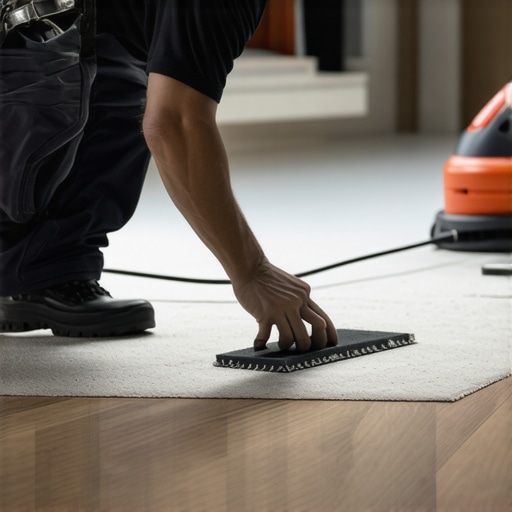
I’ll never forget the moment I stepped into my living room and felt that odd, uneven dip under my feet. It was a small thing, but it nagged at me every day. At first, I thought I could ignore it, but over time, it became a stubborn reminder that my flooring needed serious attention. That lightbulb moment made me realize how critical proper floor leveling is, especially when it comes to durable, long-lasting upgrades. If you’ve ever faced similar uneven surfaces or worried about your home’s foundation, you’re not alone. I want to share what I learned about expert carpet and floor leveling tips that truly make a difference—because a smooth, sturdy floor isn’t just about aesthetics; it’s about safety, comfort, and preserving your investment.
Why a Level Floor Changes Everything
Having an uneven floor can seem like a minor issue—until it starts causing problems with furniture, appliances, or even your posture. It’s frustrating to deal with wobbly tables or carpets that don’t lay flat. And let’s be honest, if your floor isn’t properly leveled, it can lead to costly repairs down the line. That’s why I made it my mission to learn the best techniques to get it right the first time. Proper leveling ensures your flooring lasts longer, looks better, and can even boost your home’s value. For anyone considering a renovation or upgrade, understanding the nuances of expert floor leveling is essential. Want to avoid the pitfalls I faced early on? Stick around—I’ll walk you through the most effective tips and tricks.
Is Floor Leveling Really That Critical or Just a Fancy Extra?
When I first started, I thought minor imperfections didn’t matter much. I was wrong. Early on, I made the mistake of rushing through the process, thinking a quick fix would suffice. That led to uneven seams and future cracking. According to industry experts, neglecting proper leveling can compromise the durability of your entire flooring system. For example, poorly leveled subfloors can cause laminate or carpet to wear unevenly, leading to premature replacement. If you’re curious about the specifics, check out this comprehensive guide on expert laminate floor leveling tips. Trust me, taking the time to do it right is worth every minute.
Now that I’ve shared my story, let’s dive into the core strategies that will ensure your home upgrades stand the test of time. Ready to learn how to get it perfect? Keep reading!
Start with a Clear Assessment of Your Floor
Before diving into any leveling work, walk across your floor to identify all uneven spots. Use a long level or a straight piece of wood to gauge the dips and humps. Remember, small irregularities can turn into big problems if overlooked. Take detailed notes or photos to plan your approach efficiently. I once skipped this step and ended up redoing part of the job because I missed a subtle low spot that caused future cracking.
Choose the Right Leveling Compound
Select a high-quality self-leveling compound suitable for your flooring type. For laminate floors, a fast-setting, durable compound works best, while carpets need more flexible solutions. I found that using a premium product like the ones recommended in this guide helped me achieve a smoother finish that lasts. Mix the compound according to instructions, ensuring no lumps or air pockets.
Prepare the Subfloor Meticulously
Clean and dry the subfloor thoroughly. Remove debris, dust, and any loose material. If necessary, sand rough patches to ensure good adhesion. I used a vacuum and a damp cloth to prepare the surface, which made the leveling process much easier. Think of this step as preparing a canvas before painting—without a clean base, your finish won’t last.
Apply the Leveling Compound with Precision
Pour the compound into the low spots first, then use a trowel or gauge rake to spread it out evenly. For large areas, work in sections to prevent the compound from drying prematurely. Use a long straightedge or a spirit level to check the surface as you go. During my project, I worked from the farthest corner inward, ensuring each pass was smooth and flat. This technique prevents uneven edges and guarantees a durable, level surface.
Allow Sufficient Drying Time and Double-Check
Follow the manufacturer’s instructions for drying time—usually at least 24 hours. Avoid walking on or disturbing the area during this period. Once dry, recheck the levelness with a long level or straightedge. If needed, lightly sand any high spots or reapply a thin layer of compound. I learned that rushing this step led to unevenness that caused problems later, so patience is key.
Finish with a Stable Underlayment
Once your floor is perfectly level, install a high-quality underlayment that matches your flooring type. This extra layer provides cushioning and further stabilizes your surface. For laminate floors, a foam underlayment can absorb minor imperfections, while carpets may need a thicker padding. Proper underlayment not only enhances durability but also improves insulation and soundproofing. I always recommend exploring these tips for choosing the best underlayment options.
Many DIY enthusiasts and even some professionals overlook crucial nuances when it comes to perfecting floor leveling. The most common misconception is that a quick application of leveling compound will suffice. However, in my experience, rushing through this step often leads to uneven surfaces that can cause long-term damage. For instance, improper mixing or skipping the preparation stage can result in air pockets or inconsistent thickness, which compromise durability. According to industry experts, such as those discussed in this comprehensive guide, attention to detail at every stage is essential for lasting results.
What advanced techniques can prevent future cracks and unevenness?
One often overlooked aspect is the importance of controlling moisture levels before and during the application. Excess humidity can cause the compound to cure improperly, leading to cracks or sinking over time. Using a moisture barrier and monitoring environmental conditions during installation can make a significant difference. Moreover, some professionals recommend applying a primer to the subfloor to improve adhesion and reduce the risk of future shifting. These small but impactful steps help ensure that your level surface remains true for years to come. Have you ever fallen into this trap? Let me know in the comments.
Another nuance is understanding the differences between various leveling compounds. Many assume all products are interchangeable, but choosing the right type—whether fast-setting or flexible—depends on your specific flooring and environmental conditions. For example, this guide emphasizes the importance of selecting a product with the right elasticity to accommodate slight movements, preventing future cracks or unevenness.
Finally, mastering the technique of applying the compound in thin, multiple layers rather than one thick coat is key. This approach prevents sagging and ensures each layer cures evenly. Patience during curing and thorough rechecking with a long level can save you from costly repairs later. Remember, expert-level results come from meticulous attention to these subtle details—cutting corners may save time initially but will cost you more in the long run. For more advanced tips, check out this resource.
Keeping your newly leveled floor in top shape requires the right tools and ongoing maintenance. Over time, even the best installs can shift or degrade if not properly cared for. I’ve found that investing in quality equipment and following a few simple routines can dramatically extend the lifespan of your flooring project.
Why Investing in the Right Tools Matters
Using professional-grade tools makes a significant difference in achieving a flawless, durable finish. For instance, I personally swear by a high-precision laser level, such as the Bosch GLL 3-330. It provides ultra-accurate readings over large areas, which helps me double-check the entire surface after applying leveling compounds. This tool is especially useful for large-scale projects or when you want to ensure perfection down to the millimeter. Additionally, a quality trowel and gauge rake are essential for spreading leveling compounds evenly. Cheap tools tend to leave ridges or air pockets, which can compromise the integrity of your surface.
For mixing compounds, I prefer a drill with a mixing paddle attachment. It ensures a smooth, lump-free mixture, saving time and reducing errors. Proper mixing directly influences how well the compound bonds and cures, ultimately affecting the longevity of your floor.
Maintaining Your Floor for Long-Term Results
Once your floor is leveled, routine inspections are vital. I recommend periodically checking for signs of shifting or cracking, especially after extreme weather changes. If you notice any issues, addressing them early prevents costly repairs later. Applying a protective sealant or primer recommended by the compound manufacturer can also help preserve the surface, particularly in high-humidity environments.
Additionally, keep the floor clean and free of debris that can cause uneven wear or damage. Using a soft broom or vacuum regularly prevents dirt buildup that might otherwise settle into small imperfections. When moving furniture or heavy equipment, always lift rather than drag to avoid stressing the surface.
Tools I Recommend for Ongoing Care
For maintenance, I rely on a few specialized tools. A rubber squeegee, for example, helps distribute any topical sealants smoothly without disturbing the underlying compound. For touch-ups, a small putty knife allows precise application of patching compounds or sealants. Invest in a high-quality microfiber cloth to gently clean the surface without scratching or dulling the finish.
Looking ahead, I believe that smart tools and environmental monitoring will become more integrated into home floor maintenance. Devices that track humidity levels or automatically alert you to potential issues could revolutionize how we care for our floors. Until then, diligent manual checks and using the right equipment are your best bet for long-lasting results. For detailed maintenance routines tailored to specific flooring types, check out this expert guide.
How do I maintain my leveled floor over time?
Regular inspections, prompt repairs, and protective measures are key to preserving your investment. Keep tools like a laser level, squeegee, and microfiber cloth handy, and don’t forget to monitor environmental conditions such as humidity. Staying proactive with maintenance will ensure your floor remains perfectly level and durable for years to come. Take one advanced tip—like applying a moisture barrier during installation—and see how it can dramatically improve the longevity of your project. Give it a try, and enjoy the peace of mind that comes with a well-maintained, long-lasting floor.
The Hardest Lesson I Learned About Floor Leveling
One of the most valuable lessons I discovered was never underestimate the importance of meticulous preparation. Skipping the assessment phase or rushing the mixing process can lead to uneven surfaces that compromise your entire project. This realization came after I faced costly rework due to overlooked low spots and air pockets, which taught me that patience and attention to detail are non-negotiable for lasting results.
Tools That Transformed My Approach to Floor Leveling
Investing in high-quality tools like a laser level, a sturdy trowel, and a mixing paddle made all the difference. These tools ensured my application was precise and consistent, preventing common issues like sagging or ridges. Trusting industry-recommended tools, such as the best leveling compounds and tools, helped me achieve professional-grade results that last.
The Power of Small Details in Long-Term Durability
Paying attention to environmental factors, like moisture levels, and applying a primer before the leveling compound can dramatically extend the lifespan of your floor. Even minor upgrades, such as sealing gaps or controlling humidity during curing, contribute to a perfectly flat and durable surface. These insights, often overlooked by beginners, can save you from future headaches and costly repairs.
Curated Resources to Elevate Your Flooring Game
For a comprehensive understanding, I recommend exploring this expert guide on laminate flooring leveling. Additionally, this resource for carpet installation offers tailored advice that can help you adapt techniques to suit your specific flooring needs. Finally, maintaining your floors with routine inspections and proper tools, like a laser level, ensures your investment remains pristine for years to come.
Seize the Moment and Elevate Your Home
Now is the perfect time to take control of your home upgrade. Mastering expert floor leveling techniques not only enhances the beauty and safety of your space but also boosts your confidence as a DIYer. Remember, every small step you take toward a perfectly leveled floor is a step toward a more comfortable, durable home environment. Ready to transform your space? Dive into the detailed guides and start your project today!
http://William%20Johnson
Reading this post really highlights how crucial proper floor leveling is, not just for aesthetics but for overall safety and long-term durability. I had a similar issue in my basement where I ignored some uneven spots and thought a quick fix would do. It led to cracks and uneven wear within a few years, which was frustrating and costly to repair. Since then, I’ve learned that meticulous preparation and patience are essential, especially when choosing the right leveling compound and ensuring the subfloor is spotless before application. I also started using a laser level for better accuracy, which made my projects much smoother. One thing I’d love to hear from others is—what are some innovative tools or techniques you’ve found that help prevent future cracks or unevenness? I believe that small details, like moisture control and thin-layer application, can make all the difference in achieving a professional, lasting result.
http://Emily%20Carter
Your story really resonates with me. I once overlooked the importance of thorough subfloor assessment before a major flooring upgrade, and it led to similar issues down the line—warped edges and uneven wear that could have been avoided. I’ve come to realize that taking the extra time to properly prepare and carefully select the right leveling compounds makes all the difference in a long-lasting, smooth surface. One technique I found particularly helpful is using a moisture meter to ensure that moisture levels are within acceptable ranges before applying compounds, especially in humid climates. Also, applying thin layers of leveling material multiple times rather than trying to do it all in one go helps prevent cracks or sinking over time. Have you experimented with any specific moisture control methods? I’d love to hear about what’s worked for others in different environments. The details truly matter when it comes to durable flooring. Thanks for sharing your detailed insights—they have motivated me to revisit some of my past projects with a keener focus on preparation and environmental factors.