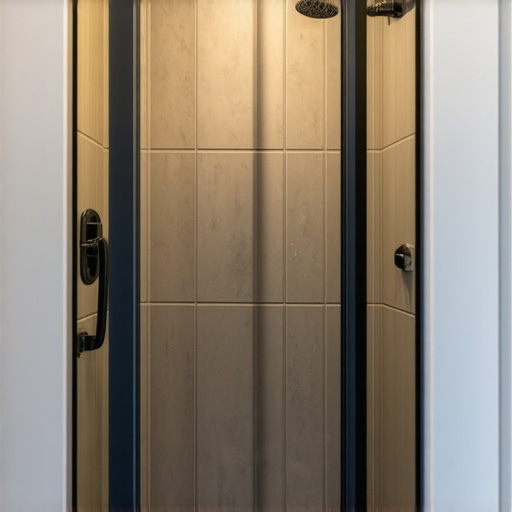
I remember the first time I decided to renovate my bathroom. I was excited but totally clueless about the right steps. I dove in headfirst, bought the fanciest laminate flooring I could find, and then—disaster struck. The flooring warped within a month because I overlooked the importance of proper leveling. That lightbulb moment taught me a lot about the crucial first step: proper preparation makes or breaks your project.
Why Proper Preparation Is the Secret to Successful Renovations
If you’ve ever felt overwhelmed by the idea of revamping your bathroom or upgrading your flooring, you’re not alone. The truth is, many homeowners jump straight into installing new tiles or flooring without addressing the foundation—literally. But skipping this step can lead to costly mistakes and headaches down the line. According to experts, a solid base is key to ensuring your renovation lasts for years to come. Properly leveling floors and choosing the right materials can save you money and frustration in the long run.
Have You Faced This Common Problem?
Did you ever install new flooring only to find it uneven or prone to damage? That’s exactly what happened to me early on. I learned the hard way that ignoring floor leveling can compromise the entire project. If you want your renovation to look professional and last, it’s worth investing time in the prep work. For detailed guidance on how to get this right, check out this comprehensive guide to laminate floor leveling.
Now that I’ve shared my slip-up, let’s get into the practical steps you can take to avoid the same mistakes—and ensure your 2024 renovation is a huge success. Whether you’re tackling a shower upgrade or installing laminate flooring, the right preparation can make all the difference.
Level the Foundation for Lasting Results
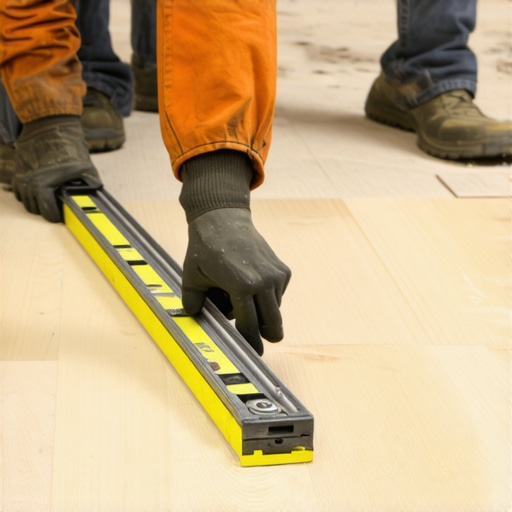
My first attempt at installing laminate flooring without proper leveling was a disaster. The planks warped and creaked within weeks. To avoid this, start by thoroughly assessing your subfloor. Use a long level or a straightedge to identify uneven areas. If you find high spots, sand them down carefully. For low spots, apply a self-leveling compound following the manufacturer’s instructions, which you can find detailed in this expert guide. This process ensures a flat, stable surface that prevents future buckling and gaps. Once the surface is even, vacuum away debris and check again to confirm flatness.
Prepare Your Surface for the Perfect Fit
Clean and Dry
Before laying down new flooring or installing a shower, make sure the surface is spotless and dry. Dust, grease, or moisture can interfere with adhesion and cause future problems. Use a damp cloth to wipe the area and allow it to dry completely. For bathrooms, consider applying a waterproof membrane or primer to prevent water damage, especially if you’re working with concrete or drywall.
Choose the Right Materials
Select flooring and shower components designed for moisture-prone environments. For laminate flooring, opt for water-resistant or waterproof variants. For showers, high-quality waterproofing membranes and durable tiles are essential. Proper material selection is crucial; check out this renovation guide for tips on choosing the best products for 2024 upgrades.
Install with Precision and Care
When installing laminate flooring, leave expansion gaps around the perimeter to accommodate expansion and contraction. Use spacers to keep these gaps consistent. Lock the planks tightly, and stagger the seams for a natural look. For showers, follow a meticulous waterproofing process: apply the membrane, then install tiles with the right adhesive, and finish with high-quality grout. Take your time, double-check measurements, and don’t rush—precision is key to longevity.
I vividly recall my first shower installation, where I skipped the waterproofing membrane. Water seeped behind the tiles, causing mold and damage months later. Learning from that mistake, I now follow detailed steps outlined in this expert shower renovation guide. The result is a durable, stylish bathroom that withstands daily use and moisture.
Finishing Touches for a Professional Look
Once the main installation is complete, add finishing touches like baseboards, sealant, and trim. For laminate floors, use color-matched sealant in the expansion gaps if desired. For showers, apply a silicone sealant around edges to prevent water ingress. These details not only improve appearance but also enhance durability and water resistance.
By following these concrete steps—thorough leveling, proper surface preparation, precise installation, and careful finishing—you’ll set the stage for a successful renovation that lasts. Remember, patience and attention to detail are your best tools for achieving professional results in 2024 upgrades.
Many homeowners believe that floor leveling is a simple task, but in reality, there are nuanced pitfalls that can undermine your entire renovation if overlooked. One widespread misconception is that a quick fix, like just applying a self-leveling compound without thorough assessment, will suffice. However, the success of your project hinges on understanding the intricacies, such as substrate compatibility, moisture levels, and proper priming. Ignoring these factors can lead to uneven surfaces, future cracks, or even mold issues, which are costly to repair. According to experts, meticulous surface preparation and an understanding of material properties are crucial for durable results. For instance, ensuring your subfloor is free of moisture and debris before applying leveling compounds can prevent failures that look minor but cause significant damage over time. For advanced tips, check out this guide on floor leveling that emphasizes foundational assessment and material selection.
Another common myth is that all leveling compounds are interchangeable. In fact, using the wrong type of compound for your specific subfloor—whether concrete, wood, or existing tile—can result in adhesion problems or surface instability. For example, a high-quality, moisture-resistant compound is essential when working in moisture-prone areas like bathrooms or basements. Many overlook the importance of testing moisture levels beforehand; failure to do so can cause the compound to delaminate or crack prematurely. A recent study by a flooring materials expert highlights that proper moisture testing and choosing tailored leveling solutions can extend the lifespan of your installation significantly. Don’t fall into the trap of assuming one size fits all; instead, invest in understanding the nuances of your subfloor and material compatibility.
What most people get wrong about floor leveling is the assumption that it’s a one-time step. In reality, it’s an ongoing process that requires careful monitoring. Small shifts in temperature and humidity can cause expansions or contractions, leading to uneven surfaces over time. If you skip the step of leaving expansion gaps or fail to use proper adhesives, you risk future buckling or gaps. Remember, the devil is in the details—such as staggered seams in laminate flooring or precise application of waterproof membranes in showers—to ensure long-lasting results. As I learned through my own experience, overlooking these advanced nuances can cost you not just money but also your peace of mind. Always approach renovation as a multi-step process, and consult comprehensive guides like this expert guide on bathroom upgrades to avoid costly mistakes.
Have you ever fallen into this trap? Let me know in the comments.
Keep It Working with the Right Tools and Maintenance Strategies
Once you’ve completed your renovation, maintaining the results is crucial for ensuring longevity and durability. Over the years, I’ve found that investing in quality tools and adopting specific maintenance routines can save you time, money, and headaches. For example, a good multi-tool, such as a oscillating tool, allows for quick repairs and adjustments without damaging your carefully laid surfaces. I personally rely on a Dremel oscillating tool because its precision and versatility make minor fixes much easier, especially around edges and tight spaces. Regularly inspecting your flooring and grout, and promptly addressing any cracks or water damage, can prevent minor issues from escalating. Using a high-quality sealant to re-seal grout lines or joints every couple of years helps maintain water resistance and appearance. For larger-scale maintenance, I recommend scheduling annual inspections with professionals to catch issues early before they become costly repairs.
Looking ahead, I believe the trend in renovation maintenance will lean heavily toward smart, automated systems. Moisture sensors, for instance, can alert you to leaks before they cause damage, while app-controlled lighting and climate systems help preserve your surfaces and fixtures. Embracing these innovations now can extend the life of your renovation and make upkeep more manageable.
How Do I Maintain My Floors and Fixtures Over Time?
Maintaining your renovated spaces involves a combination of routine cleaning, periodic inspections, and timely repairs. For flooring, avoid harsh chemicals that can degrade sealants or damage the surface; instead, opt for pH-neutral cleaners designed for your specific material. Regularly check for signs of wear, water damage, or loose tiles and address issues immediately. For fixtures like showerheads or faucets, cleaning aerators and replacing worn seals can prevent leaks and ensure optimal performance. Additionally, using tools such as a microfiber mop or soft brush helps keep surfaces pristine without scratching or dulling the finish. Remember, consistency is key—setting a maintenance schedule can prevent small problems from becoming major headaches. For more advanced techniques, check out this expert guide on floor maintenance.
To stay ahead, consider investing in a moisture meter to monitor humidity levels, especially in bathrooms and basements. This simple device can help you detect potential issues early, allowing for prompt action. As technology advances, I predict more renovation projects will integrate smart sensors and IoT devices, making maintenance more proactive and less labor-intensive. If you haven’t already, try incorporating a moisture sensor in your next project—it’s a game-changer for long-term preservation.
Remember, the key to keeping your renovation looking and functioning its best is regular upkeep, proper tools, and staying informed about new innovations. Don’t wait until problems arise—be proactive and treat your space with the care it deserves to enjoy lasting results in 2024 and beyond.
The Hardest Lesson I Learned About Floor Preparation
One of the biggest surprises I faced was realizing how much proper floor leveling impacts the longevity of my renovation. Skipping this step seemed minor at the time, but it led to warped flooring and cracked tiles within months. Now, I always spend extra time assessing and leveling my subfloor, knowing it’s the foundation of everything else. Trust me, this lightbulb moment saved me future headaches and costs.
3 Myths About Bathroom and Floor Renovations That Held Me Back
There’s a lot of misinformation out there, especially about waterproofing and material choices. I once believed that sealing grout was enough for water resistance—until I faced mold behind my tiles. Learning that waterproof membranes and proper surface prep are non-negotiable transformed my approach. It’s essential to question common myths and rely on expert advice, like this comprehensive renovation guide.
What Experts Won’t Tell You About Long-Lasting Renovations
Many professionals emphasize the importance of choosing the right materials, but what’s often overlooked is ongoing maintenance. Regular inspections and timely repairs can extend your renovation’s lifespan significantly. I’ve adopted simple routines, like re-sealing grout lines and checking for leaks, which keep my space looking fresh and functioning well. Incorporating smart sensors for moisture detection is a game-changer for future-proofing your renovation efforts.