How we found a silent drain pipe leak using a common hand mirror
How We Found a Silent Drain Pipe Leak Using a Common Hand Mirror
In the world of home maintenance, there is a “silent killer” of property value and home equity: the hidden drain leak. Unlike a burst supply pipe that announces its presence with a dramatic spray of water and an immediate surge in your utility bill, a drain leak is subtle, insidious, and often goes unnoticed for months. For many homeowners in Surrey, Vancouver, and Burnaby, the first sign of trouble isn’t a puddle; it’s a faint, musty smell of mildew or a floorboard that feels just a little too soft. By the time the damage is visible, you are often looking at thousands of dollars in drainage repairs and floor restoration.
As an assisting journeyman specializing in water supply and sewage drain repair, I’ve seen firsthand how these “minor” drips can lead to major structural failures. My name is Alex Cho, and I work alongside seasoned professionals to tackle some of the most complex repiping projects in the Greater Vancouver Area. One of the most effective, low-tech tools we use to catch these silent leaks before they escalate is something you likely already have in your bathroom cabinet: a common hand mirror. In this guide, I’ll explain how this simple DIY hack can save your home from a catastrophic water leak.
The Danger of the “Silent” Leak in BC Homes
In the Lower Mainland, our homes face unique challenges. Between the high external humidity and the specific way our homes are constructed – often with crawlspaces or finished basements – a small leak can create a localized ecosystem for mold. When people think of a water leak, they usually picture a pressurized pipe under the sink spraying water. However, drainage repairs are often much more difficult to diagnose because drain pipes are not under constant pressure.
A drain pipe only carries water when a fixture is in use. If there is a hairline crack in a PVC joint or a pinhole in an old cast-iron stack, it might only release a few tablespoons of water at a time. This water doesn’t always pool; it often soaks into the subfloor or insulation. This is why a standard “stop tap test” or monitoring your water meter – a common suggestion from a plumber in Vancouver – won’t always work. If the leak is on the drainage side, your meter won’t move because the water has already passed through the meter and is now simply failing to reach the city sewer line correctly.
I’ve encountered homeowners who were baffled by a “colossal water bill” or persistent dampness despite their water meter appearing stationary. This is where professional leak detection becomes an art form. In the Greater Vancouver Area, where property values are among the highest in the country, ignoring these signs can lead to wood rot that compromises the integrity of your home’s structure. Whether you are looking for plumbers in Surrey BC or a plumber in Burnaby, the consensus is the same: early detection is the only way to prevent a total repiping nightmare.
Why a Hand Mirror? The Science of the Fog Test
You might wonder why a professional would reach for a hand mirror when high-tech plumbing inspection cameras and moisture meters are available. While we certainly use those tools, the hand mirror “fog test” is an incredibly fast and reliable way to confirm the presence of escaping moisture in tight, dark spaces where a camera lens might get smudged or provide a confusing perspective.
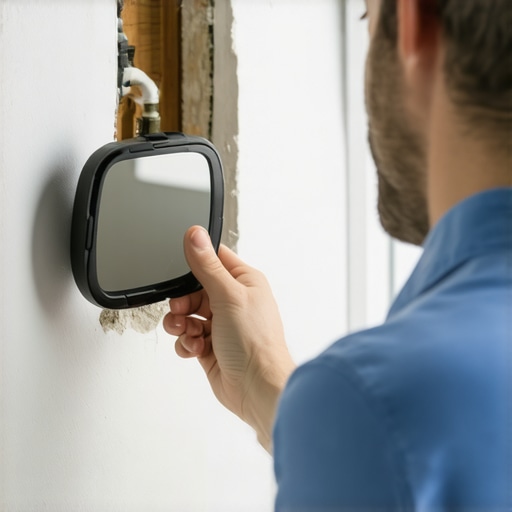
The science is simple: condensation. Warm, moist air is a byproduct of the water running through your home’s drains – especially from showers, dishwashers, and kitchen sinks. When this warm air escapes through a crack in a pipe, it hits the cooler air of a cabinet or crawlspace. By placing a cool, clean mirror near the suspected leak site, you create a surface for that moisture to condense upon. If the mirror fogs up, you’ve found your leak.
Step-by-Step Instructions for the Mirror Test:
- Clean the Mirror: Use a standard glass cleaner to ensure the surface is perfectly clear. Even a small amount of dust can mask the “haze” you are looking for.
- Identify the Suspect Area: Focus on areas where pipes penetrate walls, or near joints and “P-traps.” If you’ve noticed that your kitchen floor is suddenly spongy around the refrigerator or sink, start there.
- Run the Water: Turn on the hot water at the nearest fixture. The temperature difference between the warm drain water and the ambient air is crucial for creating the fog effect.
- Position the Mirror: Hold the mirror about an inch away from the pipe joints. Slowly move it around the circumference of the pipe.
- Observe: Look for a “haze” or actual droplets forming on the glass. If the mirror fogs, you have confirmed that moist air (and likely water) is escaping the system.
This method is often more immediate than the food coloring test often recommended by national franchises. While food coloring is great for toilet leaks, it doesn’t always show up well on dark, dirty pipes in a crawlspace. The mirror test, however, works in the dark with the help of a flashlight, making it a favorite for plumbers in Coquitlam BC and plumbing North Van specialists who often work in cramped, poorly lit environments.
Identifying the Symptoms: When to Use the Mirror
Knowing how to use the mirror is only half the battle; you also need to know when to reach for it. Often, the signs of a drain leak are reflected in your flooring. If you have noticed that your laminate flooring feels spongy in certain spots, it is rarely a problem with the laminate itself. Instead, moisture is likely rising from the subfloor, causing the wood fibers to swell and lose their structural rigidity.
Another common scenario involves kitchen appliances. Many homeowners call for a garburator fix because they see water under the sink, only to realize the garburator is fine, but the vibration from the unit has cracked an aging plastic drain arm. Using the mirror around these connections can help you distinguish between a simple mechanical repair and a more serious drain pipe repair.
If you are experiencing issues in the bathroom, you might need to investigate further. We often recommend checking the area around the tub or shower. You can learn how to find the leak under your shower drain without tearing up tile by combining the mirror test with a visual inspection of the ceiling below. If the mirror fogs when held against the subfloor through an access panel, you’ve caught a problem that could have eventually rotted out your floor joists.
Local Context: Plumbing Challenges in Surrey, Vancouver, and Coquitlam
In the Greater Vancouver Area, our “Rain City” reputation extends to the interior of our homes. High outdoor humidity levels mean that once a leak starts, the area stays damp for a long time. Plumbers in Surrey BC often deal with homes built in the 80s and 90s that used specific types of plastic piping that are now reaching the end of their lifespan. In these homes, drainage repair becomes a common necessity as joints become brittle.
Furthermore, in areas like North Vancouver and West Vancouver, the steep terrain can sometimes lead to settling in older homes. This shifting can put stress on rigid drain lines, causing small fractures. Local experts, including plumbers in Coquitlam BC and plumbers West Vancouver, often emphasize the importance of regular inspections because the heavy seasonal rains can overwhelm external drainage systems, creating back-pressure that finds the weakest point in your internal drains.
If you are searching for a drain service near me in the Lower Mainland, you are likely looking for someone who understands these regional nuances. Whether it’s the specific soil conditions in Richmond or the older infrastructure in New Westminster, a plumber Vancouver BC must be prepared for more than just a simple clog. They need to be experts in leak detection and structural preservation.
DIY vs. Professional Leak Detection
The hand mirror hack is a fantastic first step for any proactive homeowner. It empowers you to provide specific information when you finally call a plumbing vancouver professional. Instead of saying “I think there’s a leak,” you can say, “I’ve confirmed moisture escaping the secondary drain line in the basement.” This can save the plumber time and save you money on diagnostic fees.
However, once a leak is identified, the DIY portion of the evening should generally end. Drain pipe repair, especially when it involves cutting into stacks or dealing with sewage lines, requires a deep understanding of BC plumbing codes. A botched repair can lead to sewer gas entering your home, which is a significant health hazard. For residents in the region, seeking emergency services plumbing is often the safest route when a leak is discovered after hours.
When you hire a plumber in Burnaby or a plumbing North Van specialist, they will use the information you gathered with your mirror to perform a more permanent fix. This might involve replacing a section of pipe, re-sealing a flange, or in extreme cases, a full repipe. They may also suggest related services if the moisture has affected other systems, such as air duct cleaning vancouver or furnace repair vancouver, as high humidity can impact your HVAC system’s efficiency and air quality. Many a hvac company Vancouver has found that a “broken” furnace was actually just struggling with the high moisture load from a hidden crawlspace leak.
Beyond the Mirror: Other Pro-Level DIY Tests
If the mirror test is inconclusive, don’t give up. There are other non-invasive ways to track down moisture. We often suggest the ‘Tissue Test’ for spotting a drain pipe leak under your kitchen laminate. This involves wrapping dry tissue around a pipe and checking for dampness after running the water. It’s a great follow-up to the mirror test if you suspect a very slow drip rather than a vapor leak.
For those dealing with leaks in larger areas, such as under a vanity or in a basement, you might try the ‘Cardboard Test’ for detecting hidden drain pipe leaks in Vancouver homes. By laying flat pieces of corrugated cardboard under the pipes, you create a visual record of where drips are falling. The cardboard will warp and discolor exactly where the water hits, providing a “map” for your plumbing vancouver bc professional to follow.
Finally, for those tricky bathroom issues, you can learn how to find the leak in a tiled shower using a single cup of water. This test helps isolate whether the leak is in the drain itself or the waterproofing of the shower floor, which is a vital distinction for plumbing services near me to know before they start any demolition.
Conclusion & Call to Action
Finding a silent drain leak doesn’t require a degree in engineering or thousands of dollars in equipment. A simple hand mirror and a bit of patience are often all you need to protect your home’s foundation and flooring. By catching these drips early, you avoid the headache of major drainage repairs and the high costs of boiler repairs near me or structural remediation.
If your mirror fogs up or you’ve noticed your floors becoming soft, don’t wait for the problem to get worse. Whether you need a plumber in Surrey or emergency services plumbing in Vancouver, acting now is the best way to save your home. Contact a local professional today to ensure your drain pipe repair is handled correctly and your home remains a safe, dry haven.
Author Bio: Alex Cho is an experienced plumbing assistant specializing in sewage drain repair and repiping in the Greater Vancouver Area. Working alongside journeymen, Alex helps homeowners across Surrey, Vancouver, and Coquitlam maintain their plumbing systems and protect their property value through expert leak detection and repair strategies.